
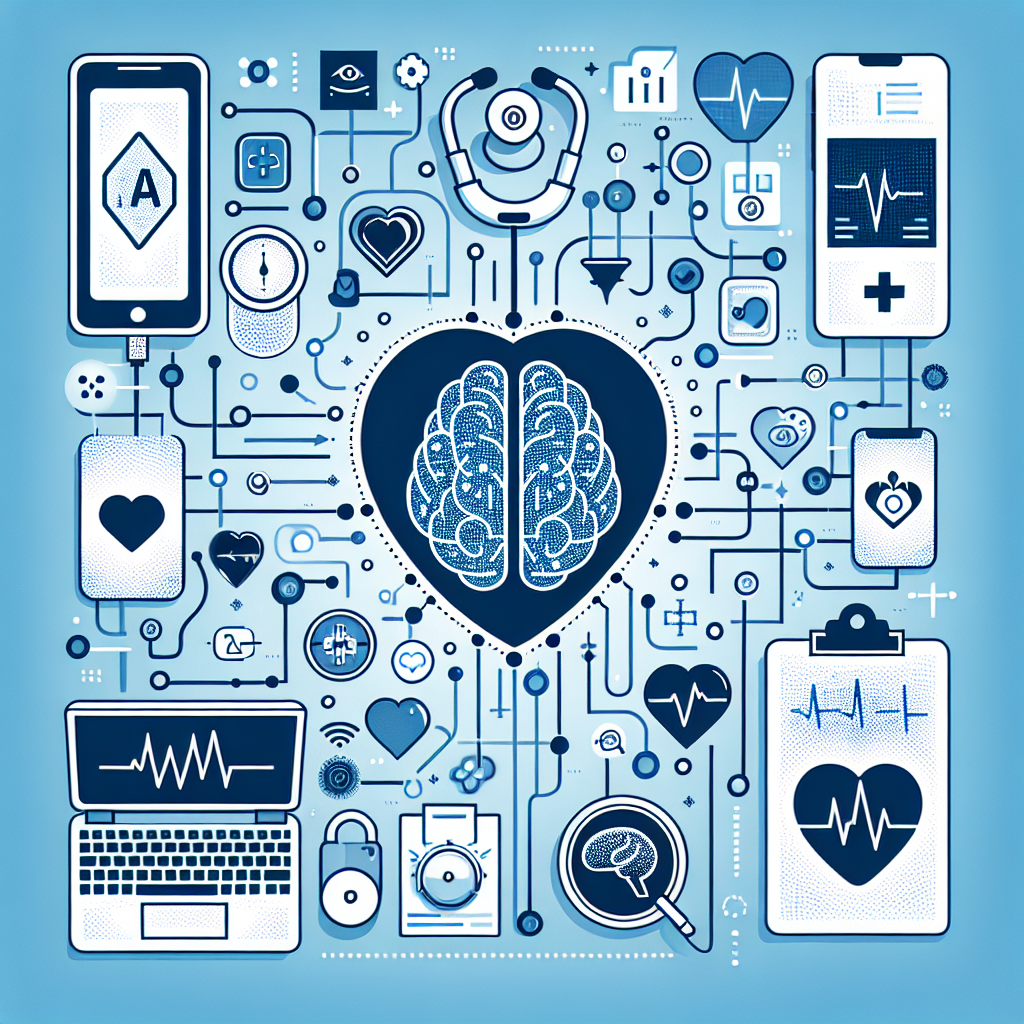
The Benefits of AI-driven Solutions for Remote Monitoring in Healthcare
In recent years, the use of artificial intelligence (AI) in healthcare has gained ground as a powerful tool for improving patient care and outcomes. One area where AI has shown particular promise is in remote monitoring, which allows healthcare providers to track and manage patients’ health from a distance. AI-driven solutions for remote monitoring offer a wide range of benefits, from increased efficiency and accuracy to improved patient outcomes and reduced healthcare costs. In this article, we will explore the advantages of using AI in remote monitoring in healthcare and how it is revolutionizing the way we deliver care to patients.
Improved Accuracy and Efficiency
One of the key benefits of using AI in remote monitoring is the ability to gather and analyze large amounts of data quickly and accurately. AI algorithms can process vast amounts of data in real-time, allowing healthcare providers to monitor patients’ health status continuously and detect any changes or abnormalities that may require immediate attention. This can lead to earlier intervention and better outcomes for patients, as well as reduced hospital readmissions and emergency room visits.
AI-driven solutions can also help healthcare providers make more informed decisions by providing them with predictive analytics and recommendations based on the data collected from remote monitoring devices. This can help doctors and nurses prioritize their time and resources more effectively, leading to better patient care and outcomes.
Cost-Effective Remote Monitoring
Another significant benefit of using AI in remote monitoring is the potential for cost savings. By using AI-driven solutions, healthcare providers can monitor patients remotely and detect potential issues before they escalate, which can help prevent costly hospitalizations and emergency room visits. In addition, AI can help healthcare providers streamline their workflow and reduce administrative tasks, allowing them to focus more on patient care.
AI-driven remote monitoring can also help reduce the burden on healthcare systems by allowing providers to monitor patients remotely, freeing up hospital beds and resources for patients who require more intensive care. This can help improve access to care for patients and reduce wait times for appointments and treatments.
Improved Patient Outcomes
Perhaps the most significant benefit of using AI in remote monitoring is the potential for improved patient outcomes. By monitoring patients remotely and detecting potential issues early, healthcare providers can intervene sooner and provide timely treatment, leading to better outcomes for patients. AI-driven solutions can also help patients manage their conditions more effectively by providing them with real-time feedback and support, leading to improved adherence to treatment plans and better health outcomes.
In addition, AI can help healthcare providers personalize care for patients by analyzing their data and providing tailored recommendations and interventions. This can help improve patient engagement and satisfaction, leading to better long-term health outcomes.
FAQs about AI-driven Solutions for Remote Monitoring in Healthcare
Q: What types of remote monitoring devices are used in healthcare?
A: There are various types of remote monitoring devices used in healthcare, including wearable devices such as fitness trackers and smartwatches, as well as medical devices such as blood pressure monitors, glucose monitors, and ECG monitors. These devices can collect data on patients’ vital signs and health status, which can be transmitted to healthcare providers for analysis and monitoring.
Q: How does AI help in remote monitoring in healthcare?
A: AI can help in remote monitoring in healthcare by analyzing large amounts of data collected from remote monitoring devices and providing healthcare providers with real-time insights and recommendations. AI algorithms can detect patterns and trends in the data that may indicate potential issues or changes in patients’ health status, allowing for earlier intervention and better outcomes.
Q: Are AI-driven solutions for remote monitoring secure and compliant with privacy regulations?
A: Yes, AI-driven solutions for remote monitoring are designed to be secure and compliant with privacy regulations, such as HIPAA in the United States and GDPR in Europe. Healthcare providers and technology vendors take measures to ensure that patient data is protected and secure, and that only authorized personnel have access to the data.
Q: How can healthcare providers implement AI-driven solutions for remote monitoring?
A: Healthcare providers can implement AI-driven solutions for remote monitoring by partnering with technology vendors that specialize in healthcare AI and remote monitoring solutions. These vendors can help providers integrate AI algorithms into their existing systems and workflows, and provide training and support to ensure successful implementation and adoption.
Q: What are some examples of AI-driven solutions for remote monitoring in healthcare?
A: There are several examples of AI-driven solutions for remote monitoring in healthcare, including remote patient monitoring platforms that use AI algorithms to analyze data from wearable devices and medical devices, and provide real-time insights and recommendations to healthcare providers. Other examples include AI-powered chatbots and virtual assistants that can help patients manage their conditions and communicate with healthcare providers remotely.
In conclusion, AI-driven solutions for remote monitoring in healthcare offer a wide range of benefits, from improved accuracy and efficiency to cost savings and improved patient outcomes. By leveraging the power of AI, healthcare providers can monitor patients remotely, detect potential issues early, and provide timely interventions, leading to better care and outcomes for patients. As the field of AI in healthcare continues to evolve, we can expect to see even more innovative solutions that will revolutionize the way we deliver care to patients and improve the overall quality of healthcare.