
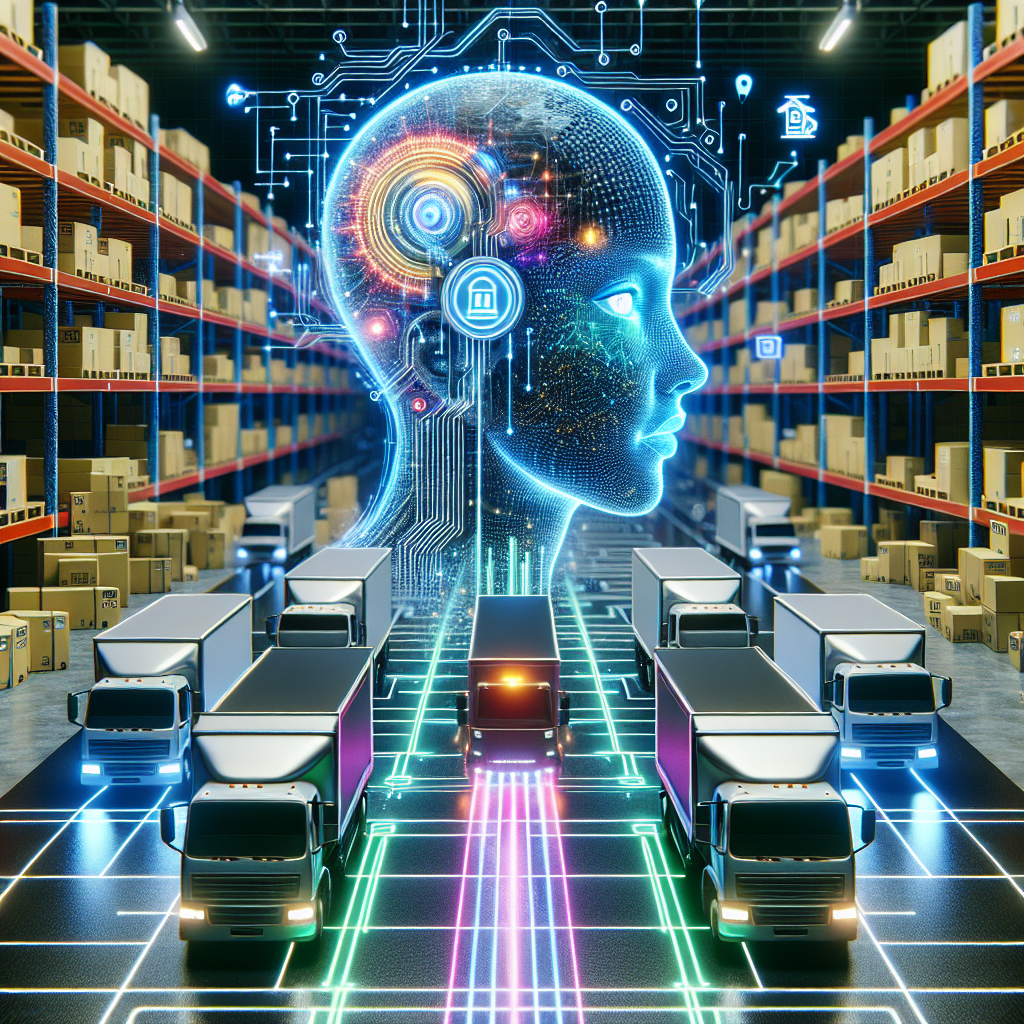
The Benefits of AI in E-Commerce Logistics
In recent years, the e-commerce industry has experienced tremendous growth, with more and more consumers turning to online shopping for their everyday needs. With this growth comes the need for efficient logistics solutions to ensure that products are delivered to customers in a timely and cost-effective manner. Artificial intelligence (AI) has emerged as a powerful tool in the e-commerce logistics industry, offering a wide range of benefits that can help businesses streamline their operations and improve customer satisfaction.
AI in e-commerce logistics involves the use of machine learning algorithms and other advanced technologies to optimize various aspects of the supply chain, from inventory management to route planning and delivery tracking. By leveraging AI, e-commerce companies can gain valuable insights into their operations, make data-driven decisions, and ultimately improve the efficiency and reliability of their logistics processes.
There are several key benefits of using AI in e-commerce logistics:
1. Improved Inventory Management: One of the biggest challenges in e-commerce logistics is managing inventory levels to meet customer demand without overstocking or running out of stock. AI can help businesses forecast demand more accurately by analyzing historical sales data, market trends, and other factors to predict future demand levels. This allows companies to optimize their inventory levels, reduce stockouts, and minimize excess inventory costs.
2. Enhanced Route Optimization: Another benefit of AI in e-commerce logistics is the ability to optimize delivery routes for maximum efficiency. By analyzing factors such as traffic patterns, weather conditions, and delivery preferences, AI algorithms can help companies plan the most cost-effective and time-efficient routes for their delivery vehicles. This can lead to reduced delivery times, lower fuel costs, and improved customer satisfaction.
3. Real-Time Tracking and Visibility: AI-powered logistics platforms can provide real-time tracking and visibility into the entire supply chain, allowing businesses to monitor the status of their shipments at every stage of the delivery process. This level of transparency can help companies identify potential bottlenecks, resolve issues quickly, and proactively communicate with customers about the status of their orders.
4. Personalized Customer Experiences: AI can also be used to personalize the customer experience by analyzing customer data and preferences to recommend products, promotions, and delivery options that are tailored to each individual customer. This can help businesses build stronger relationships with their customers, increase customer loyalty, and drive repeat purchases.
5. Cost Savings: By optimizing inventory levels, delivery routes, and other logistics processes, AI can help businesses reduce costs and increase profitability. For example, AI-powered demand forecasting can help businesses avoid overstocking, while route optimization can lower fuel expenses and reduce delivery times. These cost savings can be reinvested into other areas of the business to drive growth and innovation.
Overall, the benefits of AI in e-commerce logistics are clear: improved inventory management, enhanced route optimization, real-time tracking and visibility, personalized customer experiences, and cost savings. By leveraging AI technologies, e-commerce companies can streamline their operations, enhance customer satisfaction, and stay ahead of the competition in today’s rapidly evolving marketplace.
FAQs:
Q: How can AI improve inventory management in e-commerce logistics?
A: AI can improve inventory management by analyzing historical sales data, market trends, and other factors to predict future demand levels more accurately. This allows businesses to optimize their inventory levels, reduce stockouts, and minimize excess inventory costs.
Q: How does AI enhance route optimization in e-commerce logistics?
A: AI algorithms can analyze factors such as traffic patterns, weather conditions, and delivery preferences to plan the most cost-effective and time-efficient routes for delivery vehicles. This can lead to reduced delivery times, lower fuel costs, and improved customer satisfaction.
Q: What is real-time tracking and visibility in e-commerce logistics?
A: Real-time tracking and visibility refers to the ability to monitor the status of shipments at every stage of the delivery process. AI-powered logistics platforms can provide real-time updates on the location and status of shipments, allowing businesses to identify potential bottlenecks, resolve issues quickly, and communicate with customers about the status of their orders.
Q: How can AI personalize the customer experience in e-commerce logistics?
A: AI can personalize the customer experience by analyzing customer data and preferences to recommend products, promotions, and delivery options that are tailored to each individual customer. This can help businesses build stronger relationships with their customers, increase customer loyalty, and drive repeat purchases.
Q: What are the cost savings associated with AI in e-commerce logistics?
A: By optimizing inventory levels, delivery routes, and other logistics processes, AI can help businesses reduce costs and increase profitability. For example, AI-powered demand forecasting can help businesses avoid overstocking, while route optimization can lower fuel expenses and reduce delivery times. These cost savings can be reinvested into other areas of the business to drive growth and innovation.