
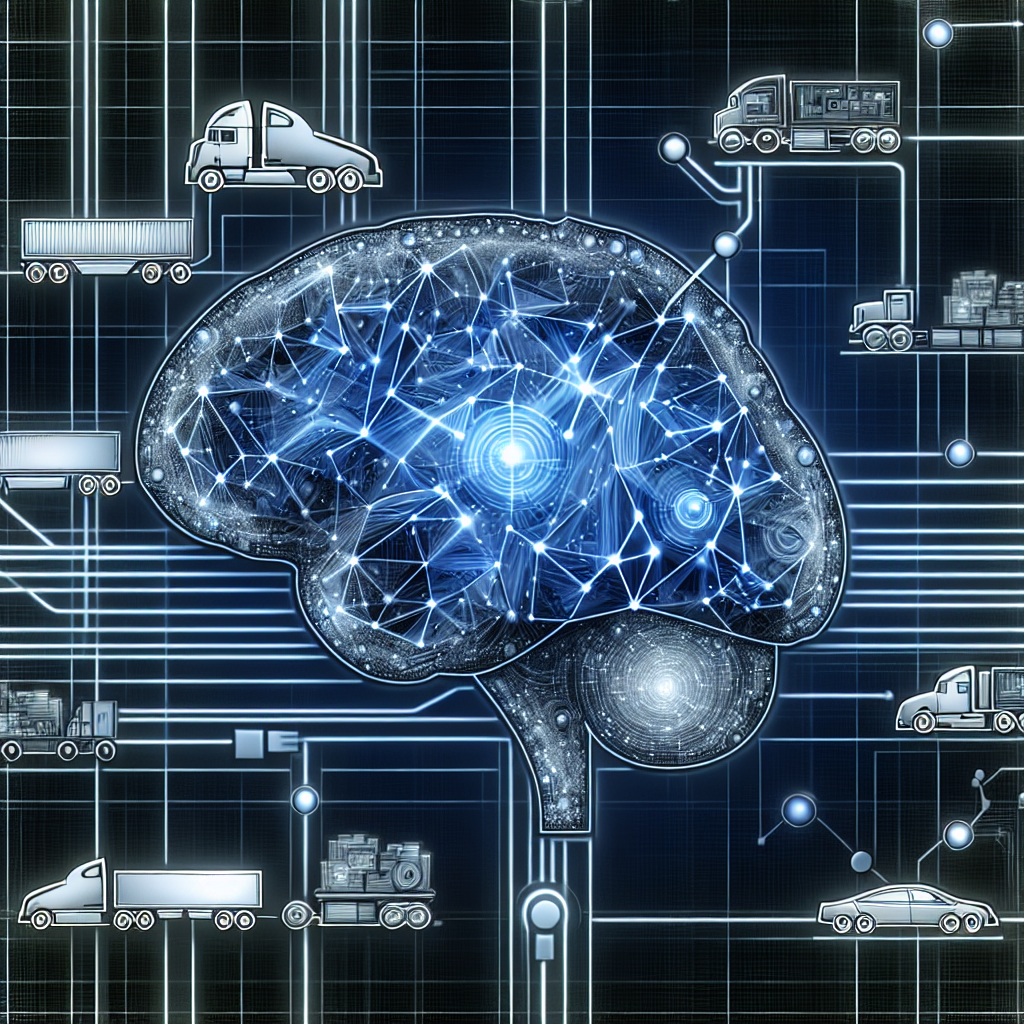
Artificial Intelligence (AI) has been rapidly transforming various industries, and intermodal transportation is no exception. Intermodal transportation involves the movement of goods using multiple modes of transportation, such as trucks, trains, ships, and planes. AI is being used in a variety of ways to improve efficiency, safety, and sustainability in intermodal transportation. In this article, we will explore the benefits of AI in intermodal transportation and how it is reshaping the industry.
Benefits of AI in Intermodal Transportation
1. Route Optimization: One of the key benefits of AI in intermodal transportation is route optimization. AI algorithms can analyze data on traffic patterns, weather conditions, and other factors to determine the most efficient route for transporting goods. This not only saves time and fuel costs but also reduces carbon emissions and improves overall efficiency.
2. Predictive Maintenance: AI can be used to predict when maintenance is needed on vehicles and infrastructure, reducing downtime and ensuring that goods can be transported without delays. By analyzing data on vehicle performance and wear and tear, AI can pinpoint potential issues before they become serious problems.
3. Real-Time Tracking: AI-powered tracking systems can provide real-time updates on the location of goods in transit, allowing for better visibility and control over the supply chain. This helps companies to better manage inventory, monitor delivery times, and respond quickly to any disruptions.
4. Autonomous Vehicles: AI technology is also being used to develop autonomous vehicles for intermodal transportation. Self-driving trucks and drones can transport goods with greater efficiency and lower costs, while reducing the risk of human error and accidents. This is especially useful for long-haul deliveries and last-mile logistics.
5. Improved Safety: AI can enhance safety in intermodal transportation by analyzing data on traffic conditions, road hazards, and driver behavior to prevent accidents. AI-powered systems can detect potential risks and alert drivers or autonomous vehicles to take corrective actions, reducing the likelihood of collisions and injuries.
6. Environmental Benefits: AI can help to reduce the environmental impact of intermodal transportation by optimizing routes, reducing fuel consumption, and minimizing emissions. By using AI to improve efficiency and reduce waste, companies can lower their carbon footprint and contribute to a more sustainable supply chain.
7. Cost Savings: By improving efficiency, reducing downtime, and optimizing routes, AI can help companies save money on transportation costs. AI-powered systems can identify opportunities for cost savings and streamline operations to maximize profitability.
FAQs
Q: How is AI being used in route optimization in intermodal transportation?
A: AI algorithms analyze data on traffic patterns, weather conditions, and other factors to determine the most efficient route for transporting goods. By optimizing routes, companies can save time, fuel costs, and reduce carbon emissions.
Q: What is predictive maintenance in intermodal transportation?
A: Predictive maintenance uses AI to predict when maintenance is needed on vehicles and infrastructure. By analyzing data on vehicle performance and wear and tear, AI can identify potential issues before they become serious problems, reducing downtime and ensuring that goods can be transported without delays.
Q: How do AI-powered tracking systems improve visibility in intermodal transportation?
A: AI-powered tracking systems provide real-time updates on the location of goods in transit, allowing for better visibility and control over the supply chain. This helps companies to manage inventory, monitor delivery times, and respond quickly to any disruptions.
Q: How are autonomous vehicles reshaping intermodal transportation?
A: Autonomous vehicles, such as self-driving trucks and drones, are revolutionizing intermodal transportation by transporting goods with greater efficiency and lower costs. These vehicles reduce the risk of human error and accidents, making transportation safer and more reliable.
Q: How does AI enhance safety in intermodal transportation?
A: AI analyzes data on traffic conditions, road hazards, and driver behavior to prevent accidents in intermodal transportation. By detecting potential risks and alerting drivers or autonomous vehicles to take corrective actions, AI improves safety and reduces the likelihood of collisions and injuries.
In conclusion, AI is transforming intermodal transportation by improving efficiency, safety, and sustainability. By leveraging AI technology, companies can optimize routes, predict maintenance needs, track goods in real-time, and reduce costs. Autonomous vehicles and AI-powered systems are reshaping the industry and leading to a more efficient and sustainable supply chain. As AI continues to evolve, the benefits of AI in intermodal transportation will only grow, making it an essential tool for businesses looking to stay competitive in the rapidly changing transportation industry.