
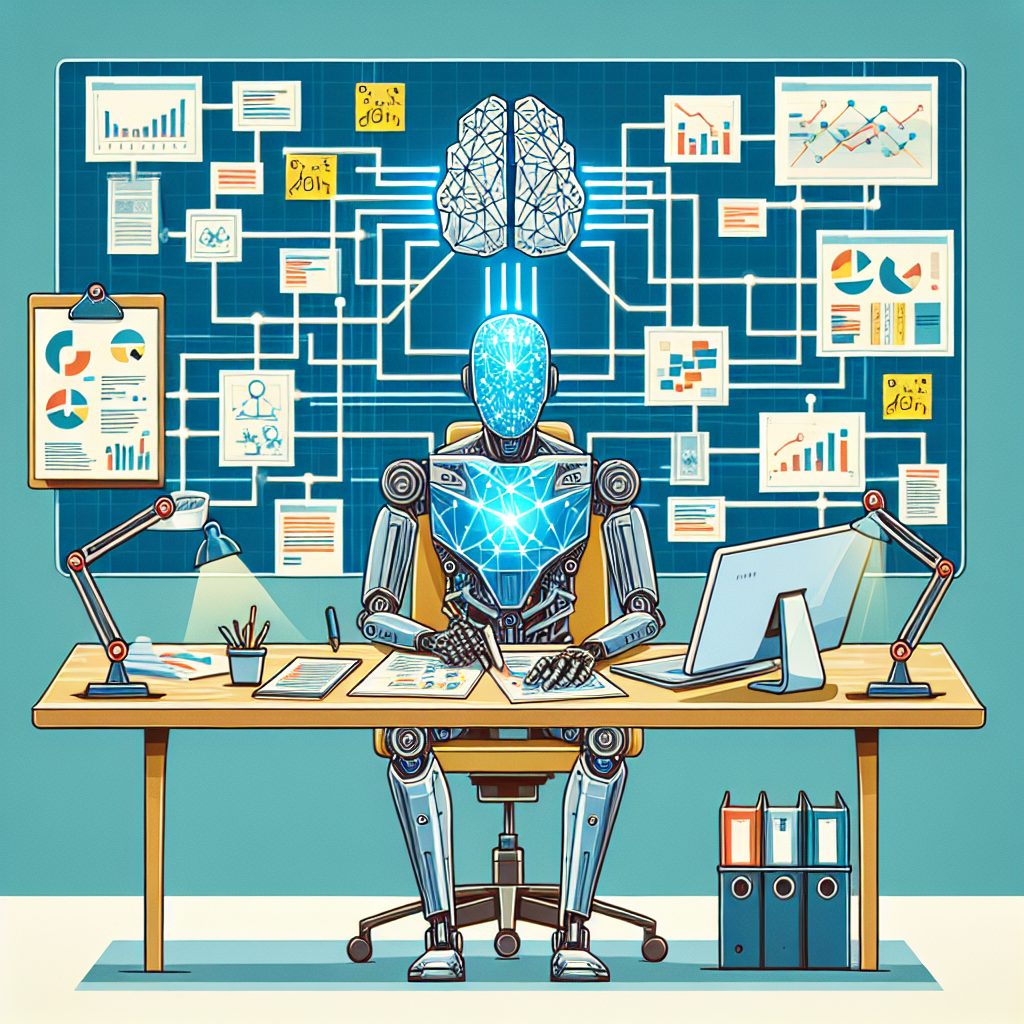
Project integration management is a critical aspect of project management that involves coordinating and managing all aspects of a project. This includes integrating various project activities, resources, and stakeholders to ensure that the project is completed successfully and meets its objectives. In recent years, artificial intelligence (AI) has emerged as a powerful tool that can enhance project integration management capabilities and improve project outcomes. In this article, we will explore the benefits of AI in project integration management and how it can help project managers streamline their processes, increase efficiency, and deliver better results.
1. Improved Decision Making
One of the key benefits of AI in project integration management is its ability to analyze vast amounts of data and provide valuable insights that can help project managers make better decisions. AI algorithms can process data from various sources, such as project schedules, budgets, risks, and stakeholder feedback, to identify patterns, trends, and relationships that may not be immediately apparent to human project managers. By leveraging AI-powered analytics tools, project managers can gain a deeper understanding of their projects and make more informed decisions that are based on data-driven insights.
For example, AI can help project managers identify potential risks and issues early on in a project by analyzing historical data and predicting future outcomes. This can enable project managers to proactively address potential problems before they escalate and impact project timelines and budgets. Additionally, AI can help project managers optimize resource allocation by analyzing project schedules and resource availability to ensure that the right resources are allocated to the right tasks at the right time.
2. Enhanced Collaboration
Another benefit of AI in project integration management is its ability to facilitate collaboration among project team members and stakeholders. AI-powered collaboration tools can streamline communication, document sharing, and task management, making it easier for team members to work together effectively and stay aligned on project goals and objectives. These tools can automate routine tasks, such as scheduling meetings, sending reminders, and tracking progress, freeing up project managers and team members to focus on higher-value activities.
AI can also help project managers identify potential collaboration bottlenecks and inefficiencies by analyzing team dynamics and communication patterns. By identifying areas for improvement, project managers can take proactive steps to address these issues and foster a more collaborative and productive work environment. Additionally, AI can help project managers track and monitor project progress in real-time, providing visibility into project status and performance metrics that can be shared with stakeholders to ensure transparency and accountability.
3. Increased Efficiency
AI can also help project managers increase efficiency by automating repetitive and time-consuming tasks, such as data entry, scheduling, and reporting. By leveraging AI-powered tools and algorithms, project managers can streamline their processes, reduce manual errors, and accelerate project delivery timelines. This can free up valuable time and resources that can be reinvested into more strategic project activities, such as planning, risk management, and stakeholder engagement.
For example, AI-powered project management software can automate the creation of project schedules, budgets, and status reports, saving project managers time and effort in managing these tasks manually. AI can also help project managers identify opportunities for process optimization and improvement by analyzing project data and performance metrics to identify bottlenecks, inefficiencies, and areas for enhancement. By leveraging AI to streamline project management processes, project managers can deliver projects more efficiently and effectively, ultimately leading to better project outcomes.
4. Enhanced Risk Management
AI can play a crucial role in enhancing risk management in project integration management by helping project managers identify, assess, and mitigate potential risks and uncertainties. AI algorithms can analyze project data, historical trends, and external factors to identify potential risks and predict their likelihood and impact on project outcomes. This can help project managers develop more robust risk management strategies and contingency plans to mitigate potential threats and uncertainties.
For example, AI can help project managers identify emerging risks, such as changes in market conditions, regulatory requirements, or technology disruptions, that may impact project delivery. By proactively identifying these risks, project managers can develop proactive strategies to address them and minimize their impact on project timelines and budgets. Additionally, AI can help project managers monitor and track risk indicators in real-time, providing early warning signals of potential issues that may require immediate attention.
5. Improved Stakeholder Engagement
AI can also enhance stakeholder engagement in project integration management by providing project managers with valuable insights into stakeholder preferences, expectations, and concerns. AI-powered tools can analyze stakeholder feedback, communication patterns, and engagement levels to identify key stakeholders and their influence on project outcomes. By leveraging AI to better understand stakeholder needs and motivations, project managers can tailor their communication and engagement strategies to build stronger relationships and foster greater stakeholder buy-in and support.
For example, AI can help project managers analyze stakeholder feedback from surveys, interviews, and social media channels to identify key themes, trends, and sentiments that may impact project success. By leveraging AI-powered sentiment analysis tools, project managers can gain a deeper understanding of stakeholder perceptions and attitudes towards the project, enabling them to address concerns, resolve conflicts, and build trust with key stakeholders. Additionally, AI can help project managers personalize communication and engagement strategies based on stakeholder preferences and communication styles, leading to more effective and meaningful interactions with stakeholders.
FAQs:
Q: How can AI help project managers improve resource allocation in project integration management?
A: AI can help project managers optimize resource allocation by analyzing project schedules, resource availability, and task dependencies to ensure that the right resources are allocated to the right tasks at the right time. By leveraging AI-powered algorithms, project managers can identify potential resource constraints, conflicts, and bottlenecks early on in a project and take proactive steps to address these issues before they impact project delivery.
Q: What are some common challenges that project managers face in project integration management?
A: Some common challenges that project managers face in project integration management include poor communication, lack of collaboration, ineffective stakeholder engagement, and inefficient resource allocation. These challenges can lead to project delays, cost overruns, and quality issues if not addressed effectively. By leveraging AI-powered tools and technologies, project managers can overcome these challenges and improve project outcomes by enhancing decision-making, collaboration, efficiency, risk management, and stakeholder engagement.
Q: How can project managers leverage AI to enhance risk management in project integration management?
A: Project managers can leverage AI to enhance risk management in project integration management by using AI algorithms to analyze project data, historical trends, and external factors to identify potential risks and predict their likelihood and impact on project outcomes. By proactively identifying emerging risks and uncertainties, project managers can develop robust risk management strategies and contingency plans to mitigate potential threats and uncertainties and ensure project success.