
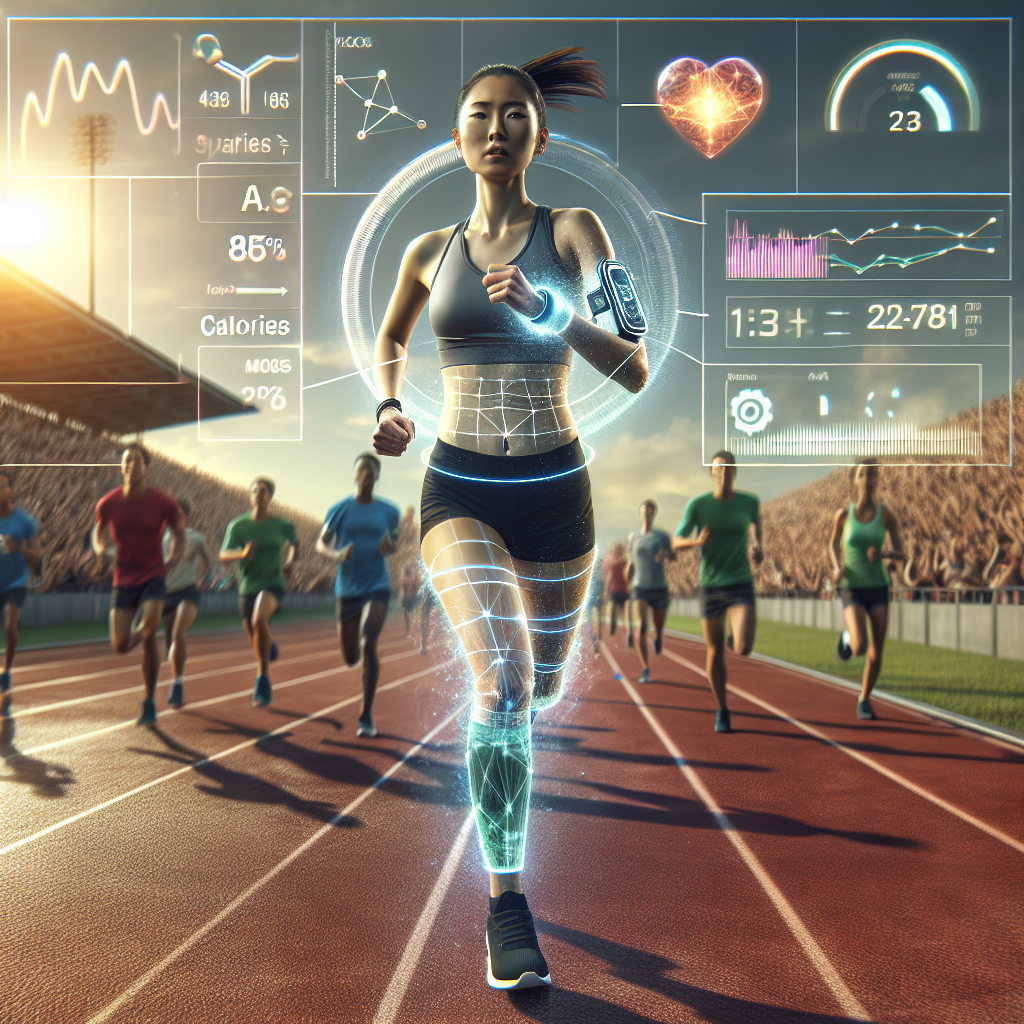
Artificial intelligence (AI) has revolutionized many industries, and sports performance monitoring is no exception. The use of AI in sports has allowed coaches and athletes to make more informed decisions, improve performance, and prevent injuries. In this article, we will explore the benefits of AI in sports performance monitoring and how it is changing the way we approach training and competition.
One of the key benefits of AI in sports performance monitoring is the ability to analyze large amounts of data quickly and accurately. Traditional methods of performance monitoring often involve manual data collection and analysis, which can be time-consuming and prone to human error. AI systems can process vast amounts of data in real-time, providing coaches and athletes with valuable insights into their performance and areas for improvement.
AI can also help coaches and athletes track progress over time, identify trends, and make predictions about future performance. By analyzing data from training sessions, competitions, and other sources, AI systems can provide personalized feedback and recommendations to help athletes reach their full potential.
Another major benefit of AI in sports performance monitoring is the ability to detect patterns and anomalies that may not be immediately apparent to human observers. For example, AI systems can analyze video footage of athletes’ movements to identify subtle changes in technique or form that could lead to injury. By detecting these issues early, coaches can intervene and prevent more serious injuries from occurring.
In addition, AI can help athletes optimize their training programs by providing personalized recommendations based on their individual needs and goals. By analyzing data on factors such as fitness level, nutrition, sleep, and recovery, AI systems can tailor training plans to maximize performance and minimize the risk of injury.
AI can also be used to enhance scouting and recruitment processes in sports. By analyzing data on athletes’ performance, potential, and characteristics, AI systems can help teams identify promising talent and make more informed decisions about player acquisitions.
Overall, the benefits of AI in sports performance monitoring are numerous and far-reaching. From improving training programs to preventing injuries and enhancing recruitment processes, AI is transforming the way we approach sports performance monitoring.
FAQs:
Q: How does AI in sports performance monitoring work?
A: AI systems in sports performance monitoring typically involve the use of sensors, cameras, and other data collection tools to gather information on athletes’ performance. This data is then analyzed using machine learning algorithms to provide insights and recommendations to coaches and athletes.
Q: What types of data can AI analyze in sports performance monitoring?
A: AI systems can analyze a wide range of data in sports performance monitoring, including physical and physiological metrics (such as heart rate, speed, and power output), technical skills (such as shooting accuracy or passing efficiency), and tactical information (such as game strategy and decision-making).
Q: How can AI help prevent injuries in sports?
A: AI can help prevent injuries in sports by analyzing data on athletes’ movements, technique, and physical condition to identify potential risk factors and issues. Coaches can then use this information to make adjustments to training programs and techniques to reduce the risk of injury.
Q: Can AI be used in real-time during competitions?
A: Yes, AI can be used in real-time during competitions to provide coaches and athletes with immediate feedback and insights. For example, AI systems can analyze video footage of a game to identify key moments, trends, and areas for improvement.
Q: Are there any limitations to using AI in sports performance monitoring?
A: While AI has many benefits in sports performance monitoring, there are some limitations to consider. For example, AI systems may require a large amount of data to provide accurate insights, and there may be challenges in integrating AI into existing training programs and workflows. Additionally, there may be concerns about privacy and data security when using AI systems to monitor athletes’ performance.