
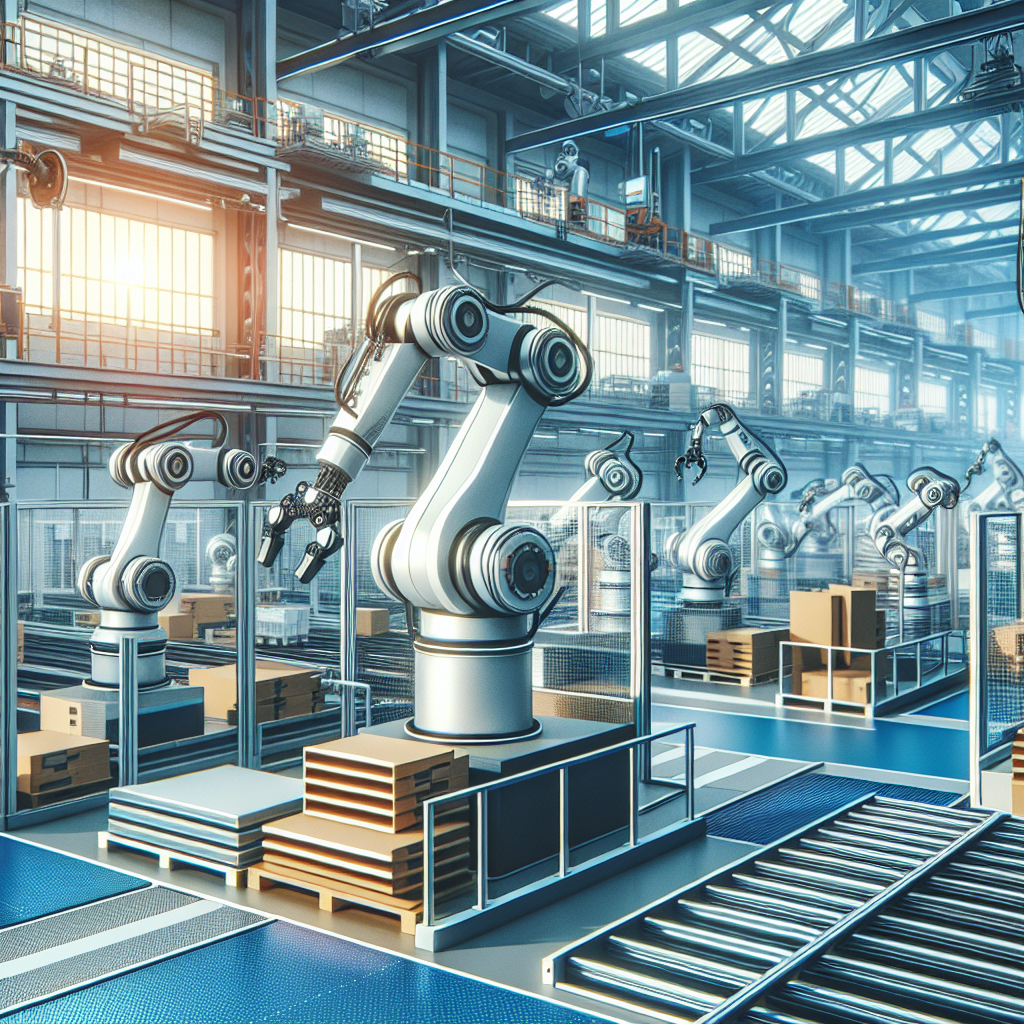
In today’s fast-paced manufacturing industry, the use of AI-powered material handling systems is becoming increasingly prevalent. These advanced technologies are revolutionizing the way materials are moved, stored, and processed in manufacturing facilities, leading to significant improvements in efficiency, productivity, and overall performance. From automated guided vehicles (AGVs) to robotic arms, AI-powered material handling systems offer a wide range of benefits that are helping manufacturers stay competitive in a rapidly evolving market.
One of the key benefits of AI-powered material handling systems is their ability to optimize workflows and streamline processes. By using artificial intelligence algorithms, these systems can analyze data in real-time to identify inefficiencies and bottlenecks in the manufacturing process. This allows manufacturers to make informed decisions about how to improve their operations, leading to increased productivity and cost savings.
Another major advantage of AI-powered material handling systems is their ability to improve safety in the manufacturing environment. By automating repetitive and potentially dangerous tasks, these systems help reduce the risk of accidents and injuries for workers. This not only protects employees from harm but also minimizes downtime and costly disruptions to production.
In addition to enhancing safety and efficiency, AI-powered material handling systems can also improve the accuracy and quality of manufacturing processes. By using advanced sensors and cameras, these systems can precisely handle materials with a level of precision that is difficult to achieve manually. This results in fewer errors and defects in the production process, leading to higher-quality products and greater customer satisfaction.
Furthermore, AI-powered material handling systems can adapt to changing production demands quickly and efficiently. By using machine learning algorithms, these systems can learn from past data and optimize their performance in real-time. This flexibility allows manufacturers to respond to fluctuations in demand and production requirements more effectively, ensuring that they can meet customer needs in a timely manner.
Overall, the benefits of AI-powered material handling systems in manufacturing are clear. From increased efficiency and productivity to improved safety and quality, these advanced technologies are helping manufacturers stay ahead of the competition in a rapidly evolving market. By investing in AI-powered material handling systems, manufacturers can unlock a wide range of benefits that will help them succeed in the long term.
FAQs:
Q: What types of AI-powered material handling systems are available for manufacturers?
A: There are several types of AI-powered material handling systems available for manufacturers, including automated guided vehicles (AGVs), robotic arms, and automated storage and retrieval systems (AS/RS). Each of these systems offers unique benefits and capabilities that can help manufacturers optimize their operations.
Q: How can AI-powered material handling systems improve safety in manufacturing facilities?
A: AI-powered material handling systems can improve safety in manufacturing facilities by automating repetitive and potentially dangerous tasks that could put workers at risk. By using advanced sensors and cameras, these systems can ensure that materials are handled safely and efficiently, reducing the likelihood of accidents and injuries.
Q: Are AI-powered material handling systems expensive to implement?
A: While AI-powered material handling systems can be a significant investment for manufacturers, the long-term benefits they offer in terms of efficiency, productivity, and quality often outweigh the initial costs. Additionally, as technology continues to advance, the cost of implementing these systems is likely to decrease over time.
Q: How can manufacturers determine if AI-powered material handling systems are right for their operations?
A: Manufacturers should consider factors such as the size and complexity of their operations, their production volume, and their specific goals and objectives when determining if AI-powered material handling systems are right for their operations. Consulting with a knowledgeable supplier or integrator can help manufacturers assess their needs and identify the best solutions for their unique requirements.