
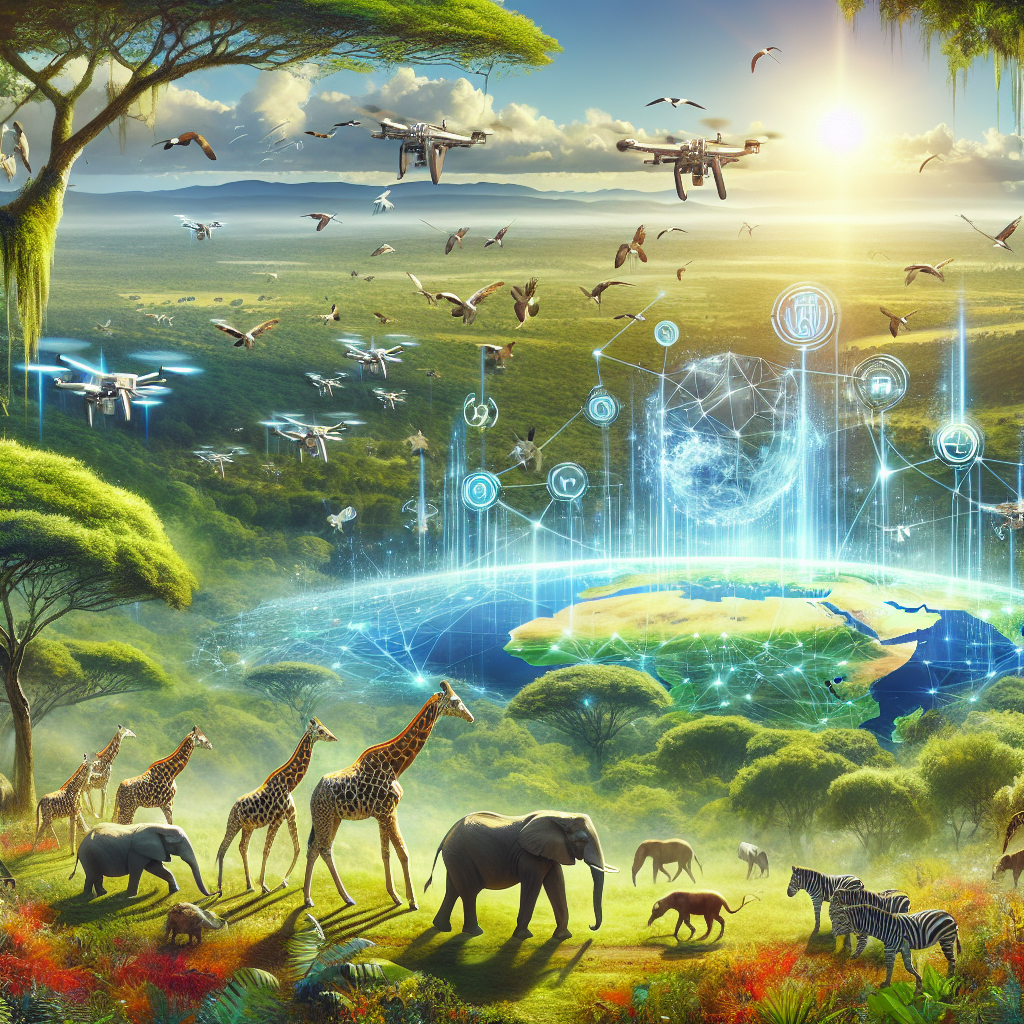
The use of artificial intelligence (AI) tools in wildlife conservation has become increasingly prevalent in recent years. These advanced technologies have revolutionized the way conservationists monitor and protect endangered species, track wildlife populations, and combat illegal poaching activities. AI tools offer a range of benefits that are helping to shape the future of wildlife conservation efforts around the world.
One of the key benefits of AI tools in wildlife conservation is their ability to accurately and efficiently monitor wildlife populations. Traditional methods of wildlife monitoring, such as camera traps and field surveys, can be time-consuming and costly. AI tools, on the other hand, can analyze large amounts of data quickly and accurately, allowing conservationists to track changes in wildlife populations over time. This real-time monitoring is crucial for identifying trends and patterns that can help inform conservation efforts and protect endangered species.
AI tools are also being used to combat illegal poaching activities, which pose a significant threat to many endangered species. Poaching is a major driver of wildlife decline, particularly in regions where enforcement efforts are limited. AI tools, such as predictive algorithms and image recognition software, can help law enforcement agencies identify and track poachers, detect illegal wildlife trafficking routes, and prevent poaching activities before they occur. By leveraging these advanced technologies, conservationists are able to better protect wildlife populations and combat the illegal wildlife trade.
In addition to monitoring wildlife populations and combating illegal poaching, AI tools are also being used to improve habitat conservation efforts. By analyzing satellite imagery and environmental data, AI tools can help identify areas of high conservation value and prioritize conservation actions. This information can be used to develop more effective conservation strategies, such as habitat restoration projects and protected area management plans. By harnessing the power of AI, conservationists can make more informed decisions about how to best protect and preserve critical habitats for wildlife.
Furthermore, AI tools are helping to enhance our understanding of wildlife behavior and ecology. By analyzing data collected from GPS tracking devices, camera traps, and other monitoring technologies, AI algorithms can identify patterns in animal movements, social interactions, and habitat preferences. This information can provide valuable insights into the behavior of wildlife species, helping conservationists to better understand their needs and develop targeted conservation strategies. By combining AI tools with traditional field research methods, conservationists can gain a more comprehensive understanding of wildlife ecology and behavior, leading to more effective conservation outcomes.
Overall, the benefits of AI tools in wildlife conservation are vast and far-reaching. These advanced technologies are helping to revolutionize the way we monitor and protect endangered species, combat illegal poaching activities, and improve habitat conservation efforts. By harnessing the power of AI, conservationists are able to make more informed decisions, allocate resources more effectively, and achieve greater conservation outcomes. As the field of wildlife conservation continues to evolve, AI tools will play an increasingly important role in shaping the future of conservation efforts worldwide.
FAQs:
Q: How do AI tools help monitor wildlife populations?
A: AI tools can analyze large amounts of data quickly and accurately, allowing conservationists to track changes in wildlife populations over time. This real-time monitoring is crucial for identifying trends and patterns that can help inform conservation efforts and protect endangered species.
Q: How are AI tools used to combat illegal poaching activities?
A: AI tools, such as predictive algorithms and image recognition software, can help law enforcement agencies identify and track poachers, detect illegal wildlife trafficking routes, and prevent poaching activities before they occur. By leveraging these advanced technologies, conservationists are able to better protect wildlife populations and combat the illegal wildlife trade.
Q: How do AI tools improve habitat conservation efforts?
A: By analyzing satellite imagery and environmental data, AI tools can help identify areas of high conservation value and prioritize conservation actions. This information can be used to develop more effective conservation strategies, such as habitat restoration projects and protected area management plans.
Q: How do AI tools enhance our understanding of wildlife behavior?
A: By analyzing data collected from GPS tracking devices, camera traps, and other monitoring technologies, AI algorithms can identify patterns in animal movements, social interactions, and habitat preferences. This information can provide valuable insights into the behavior of wildlife species, helping conservationists to better understand their needs and develop targeted conservation strategies.