
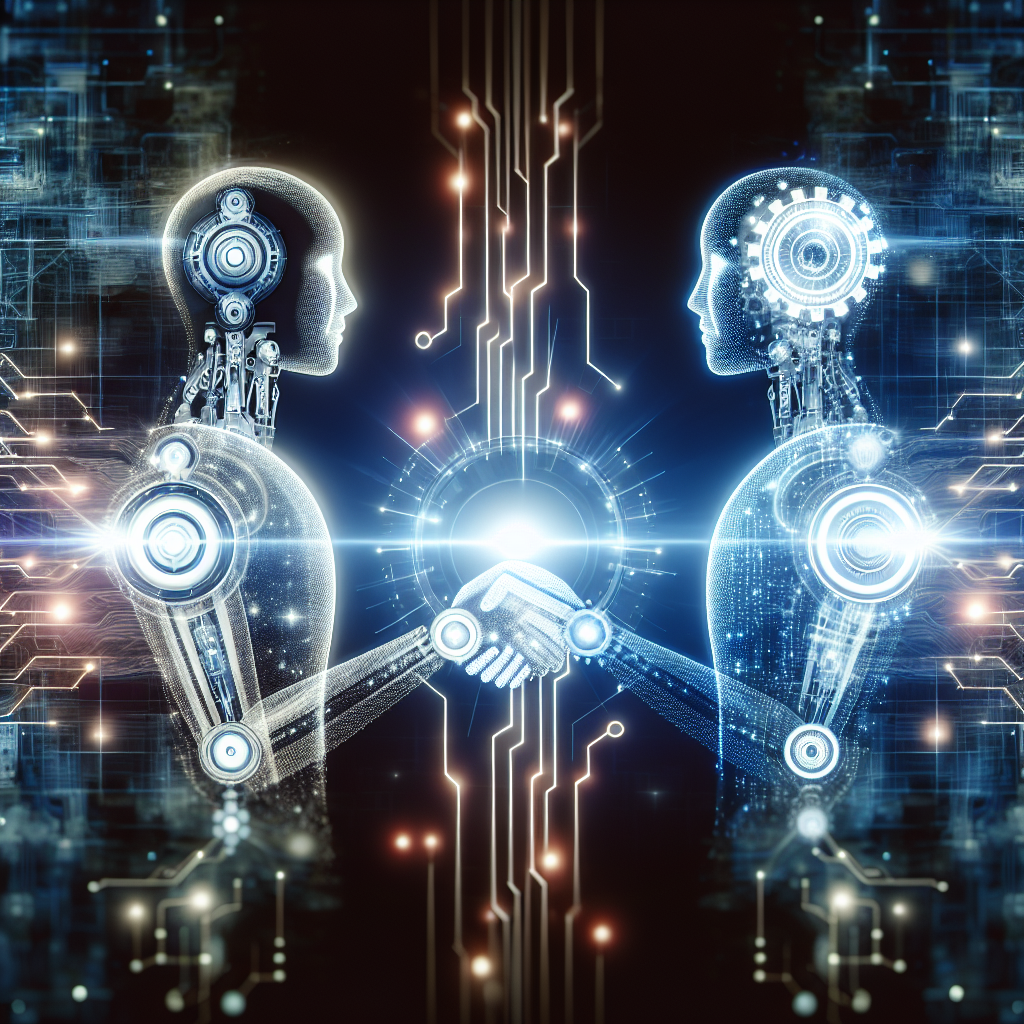
In today’s fast-paced world, the integration of artificial intelligence (AI) and machine learning into various industries has become increasingly prevalent. These technologies have the potential to revolutionize the way businesses operate, making processes more efficient, improving decision-making, and enhancing customer experiences. In this article, we will explore the benefits of integrating AI and machine learning into different sectors.
1. Improved Efficiency:
One of the key benefits of incorporating AI and machine learning into business operations is improved efficiency. These technologies can automate repetitive tasks, allowing employees to focus on more complex and strategic activities. For example, AI-powered chatbots can handle customer inquiries and provide instant responses, reducing the need for human intervention. Machine learning algorithms can also analyze large amounts of data quickly and accurately, enabling businesses to make informed decisions in real-time.
2. Enhanced Customer Experiences:
AI and machine learning can help businesses better understand their customers and personalize their interactions. By analyzing customer data, these technologies can predict customer preferences and behavior, allowing companies to tailor their products and services to meet individual needs. For instance, recommendation engines use machine learning algorithms to suggest products or services that are most likely to appeal to a specific customer. This personalized approach can improve customer satisfaction and loyalty, ultimately driving business growth.
3. Cost Savings:
Integrating AI and machine learning into business processes can lead to significant cost savings. By automating routine tasks, businesses can reduce the need for human labor, thereby lowering operational expenses. Additionally, AI-powered predictive maintenance systems can help prevent costly equipment breakdowns by identifying potential issues before they occur. These technologies can also optimize resource allocation and streamline workflows, further reducing costs and increasing profitability.
4. Data-driven Decision Making:
AI and machine learning enable businesses to leverage data-driven insights to make better decisions. By analyzing vast amounts of data, these technologies can identify patterns, trends, and correlations that may not be apparent to human analysts. This information can help businesses optimize processes, improve forecasting accuracy, and identify new opportunities for growth. With AI-powered analytics tools, businesses can gain a competitive edge by making strategic decisions based on real-time data.
5. Scalability:
AI and machine learning technologies are highly scalable, making them suitable for businesses of all sizes. Whether a company is a small startup or a large enterprise, these technologies can be customized to meet specific needs and requirements. As businesses grow and evolve, AI and machine learning can adapt and scale accordingly, ensuring that they remain effective and efficient over time. This scalability allows businesses to stay competitive in an ever-changing marketplace and continue to innovate and grow.
6. Enhanced Security:
AI and machine learning can help businesses improve their cybersecurity measures by detecting and preventing potential threats in real-time. These technologies can analyze network traffic, identify anomalies, and respond to security incidents quickly and effectively. By automating security processes, businesses can better protect their data, systems, and customers from cyberattacks and breaches. AI-powered security solutions can also adapt to new threats and vulnerabilities, ensuring that businesses remain secure in an increasingly digital world.
7. Innovation and Creativity:
By integrating AI and machine learning into their operations, businesses can foster a culture of innovation and creativity. These technologies can help employees automate routine tasks, freeing up time for more strategic and creative endeavors. AI-powered tools can also generate new ideas, insights, and solutions that may not have been possible through traditional methods. By harnessing the power of AI and machine learning, businesses can drive innovation, develop new products and services, and stay ahead of the competition.
FAQs:
Q: What industries can benefit from integrating AI and machine learning?
A: AI and machine learning technologies can benefit a wide range of industries, including healthcare, finance, retail, manufacturing, transportation, and more. These technologies can be customized to meet the specific needs and requirements of each industry, improving efficiency, enhancing customer experiences, and driving business growth.
Q: How can businesses integrate AI and machine learning into their operations?
A: Businesses can integrate AI and machine learning into their operations by partnering with technology providers, hiring data scientists and AI specialists, and investing in AI-powered tools and platforms. By developing a comprehensive strategy and roadmap for AI integration, businesses can maximize the benefits of these technologies and stay competitive in a rapidly evolving marketplace.
Q: Are there any risks associated with integrating AI and machine learning into business operations?
A: While AI and machine learning offer many benefits, there are also potential risks to consider, such as data privacy concerns, algorithm bias, and cybersecurity threats. Businesses must implement robust data governance policies, ensure transparency and accountability in their AI systems, and prioritize cybersecurity measures to mitigate these risks effectively.
In conclusion, the integration of AI and machine learning into various industries offers numerous benefits, including improved efficiency, enhanced customer experiences, cost savings, data-driven decision-making, scalability, enhanced security, and innovation. By harnessing the power of these technologies, businesses can drive growth, innovation, and success in a rapidly changing digital landscape.