
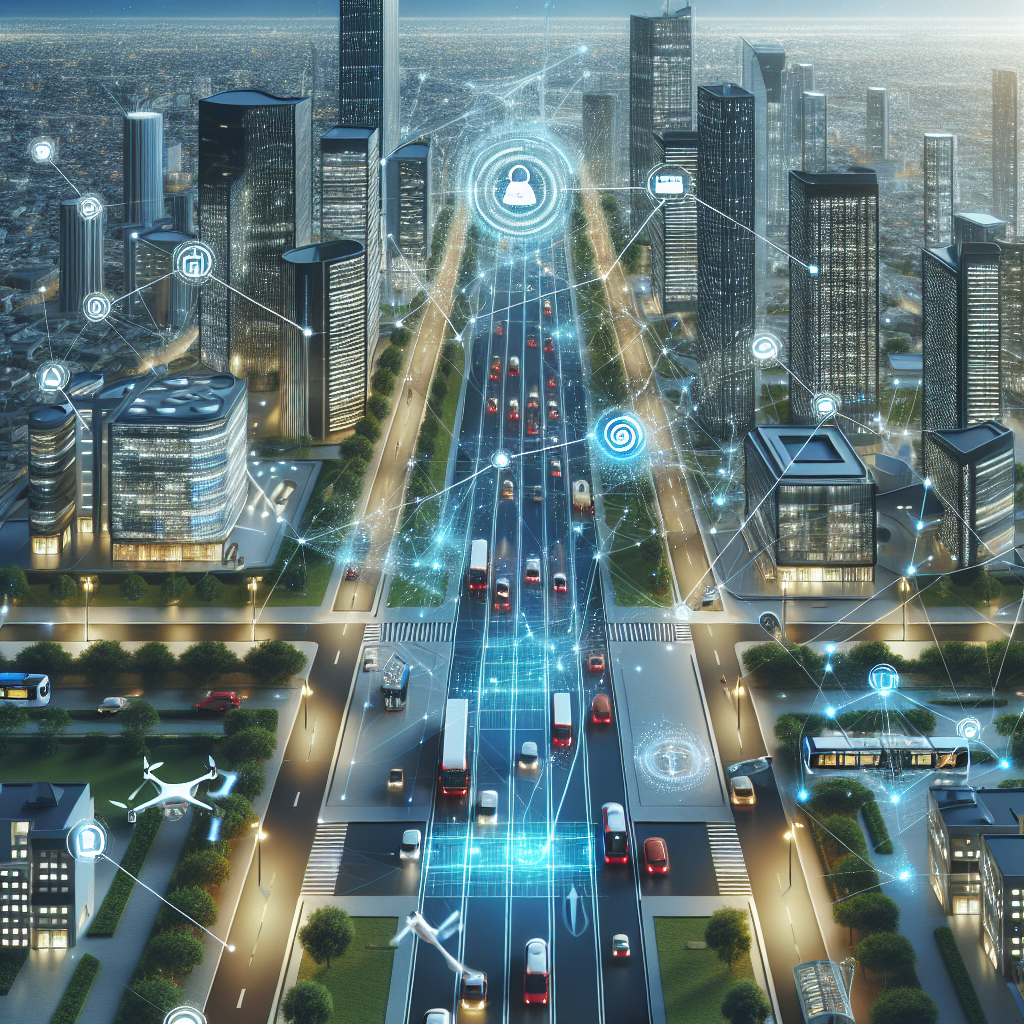
The Benefits of Using AI Software for Smart Cities
In recent years, the concept of smart cities has gained significant traction as urban populations continue to grow at an unprecedented rate. With the rise of technology, cities are now able to leverage artificial intelligence (AI) software to improve efficiency, sustainability, and overall quality of life for residents. From traffic management to energy consumption, the benefits of using AI software for smart cities are vast and far-reaching. In this article, we will explore some of the key advantages of incorporating AI technology into city infrastructure.
1. Improved Traffic Management
One of the most significant benefits of using AI software in smart cities is the ability to optimize traffic flow and reduce congestion. Through the use of sensors, cameras, and real-time data analysis, AI systems can monitor traffic patterns, identify bottlenecks, and adjust traffic signals accordingly. This not only improves the overall flow of traffic but also reduces carbon emissions and improves air quality in urban areas.
2. Enhanced Public Safety
AI software can also play a crucial role in enhancing public safety in smart cities. By analyzing data from various sources, such as surveillance cameras, social media, and emergency calls, AI systems can identify patterns and predict potential threats. This allows law enforcement agencies to respond more quickly to emergencies and proactively address security issues before they escalate.
3. Energy Efficiency
Another benefit of using AI software in smart cities is the ability to optimize energy consumption and reduce costs. By analyzing data on energy usage, weather patterns, and building performance, AI systems can identify opportunities for energy savings and recommend strategies for improving efficiency. This not only helps cities reduce their carbon footprint but also saves money in the long run.
4. Waste Management
AI software can also be used to improve waste management processes in smart cities. By analyzing data on waste generation, collection routes, and recycling rates, AI systems can optimize collection schedules, reduce landfill waste, and promote recycling initiatives. This not only helps cities reduce their environmental impact but also improves the overall cleanliness and livability of urban areas.
5. Smart Infrastructure
AI software can also help cities maintain and upgrade their infrastructure more effectively. By analyzing data on the condition of roads, bridges, and buildings, AI systems can predict maintenance needs, prioritize repair projects, and optimize construction schedules. This not only extends the lifespan of infrastructure assets but also reduces costs and minimizes disruptions to residents.
FAQs
Q: How secure is AI software in smart cities?
A: Security is a top priority when implementing AI software in smart cities. Measures such as encryption, authentication, and access control are used to protect sensitive data and prevent unauthorized access.
Q: Will AI software replace human jobs in smart cities?
A: While AI software can automate certain tasks, it is unlikely to replace human jobs entirely. Instead, AI technology is meant to augment human capabilities and improve efficiency in various city functions.
Q: How can cities ensure the ethical use of AI software?
A: Cities can ensure the ethical use of AI software by implementing clear guidelines, conducting regular audits, and engaging with the community to address concerns and promote transparency.
In conclusion, the benefits of using AI software for smart cities are numerous and diverse. From improving traffic management to enhancing public safety, AI technology has the potential to transform urban environments and create more sustainable, efficient, and livable cities for residents. By harnessing the power of AI, cities can address pressing challenges and build a better future for all.