
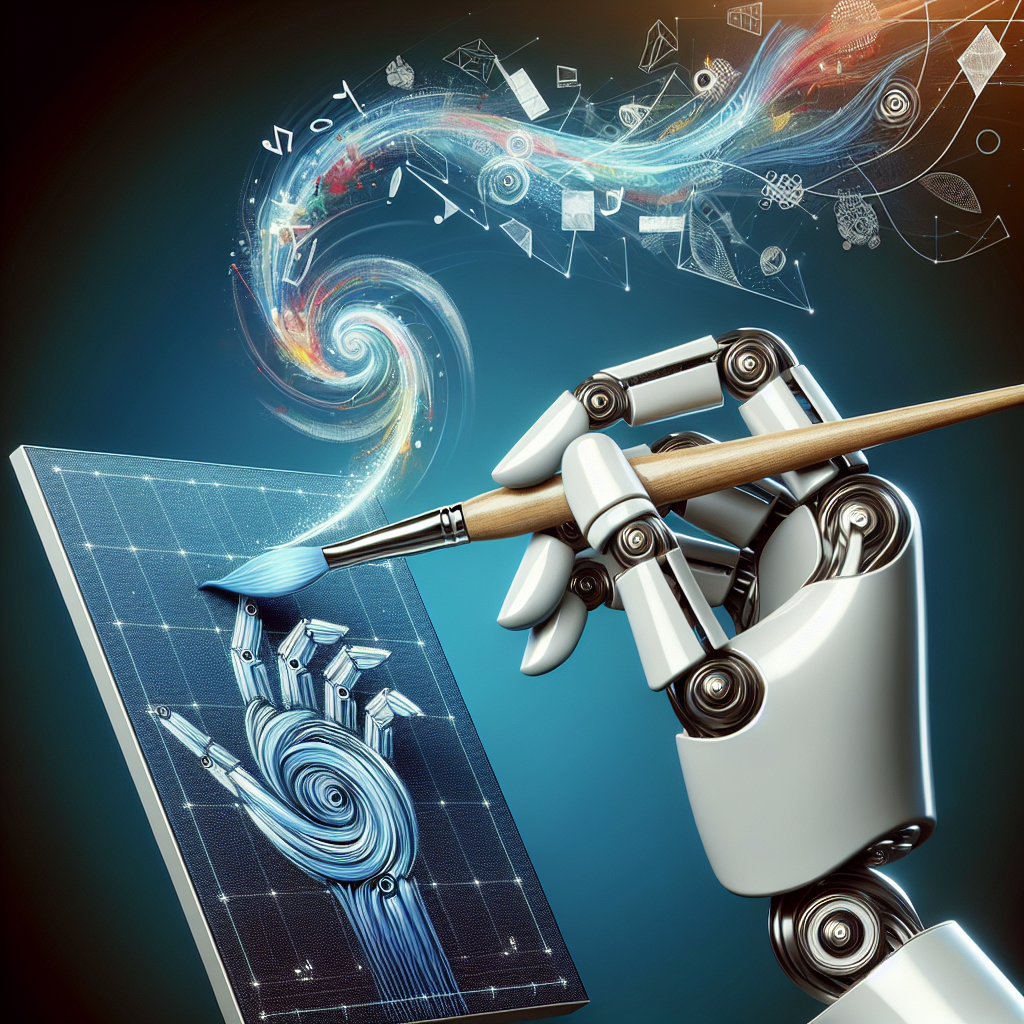
The Creative Revolution: AI’s Influence on Art and Design
Artificial intelligence (AI) has been making a significant impact on various industries, and the world of art and design is no exception. The integration of AI into the creative process has sparked a revolution, leading to new possibilities and innovative approaches in the field. From generating unique artworks to enhancing design processes, AI is reshaping how artists and designers work and creating new opportunities for creativity.
AI-generated Artworks
One of the most fascinating applications of AI in the art world is the creation of AI-generated artworks. Artists and designers are using AI algorithms to generate unique and innovative pieces of art that push the boundaries of traditional artistic expression. These AI-generated artworks can range from digital paintings to sculptures to music compositions, and they often blur the line between human and machine creativity.
One of the most well-known examples of AI-generated art is the work of the artist and programmer, Mario Klingemann. Klingemann uses AI algorithms to create mesmerizing and surreal artworks that challenge our perception of creativity and artistic expression. His AI-generated pieces have been exhibited in galleries and museums around the world, showcasing the potential of AI in the art world.
AI is also being used to create art that reflects the emotions and experiences of the artist. For example, the artist and researcher, Ahmed Elgammal, has developed an AI system that can analyze and interpret artworks to generate new pieces that capture the essence of the original work. This approach allows artists to explore new creative possibilities and push the boundaries of their own artistic practice.
Enhancing Design Processes
In addition to generating artworks, AI is also being used to enhance design processes in various industries. Designers are using AI algorithms to streamline the design process, improve efficiency, and create more innovative and personalized designs. AI-powered tools and software are helping designers to generate new ideas, optimize designs, and create products that are tailored to the needs and preferences of consumers.
For example, companies like Autodesk are using AI algorithms to develop design tools that can assist designers in the creative process. These AI-powered tools can analyze data, generate design suggestions, and even predict trends in the design industry. This allows designers to focus on the creative aspect of their work while AI handles the technical aspects of the design process.
AI is also being used to create personalized and customized designs for consumers. Companies like Nike are using AI algorithms to analyze consumer data and preferences to create personalized products that cater to individual tastes and preferences. This approach allows designers to create products that are unique and tailored to the needs of each consumer, leading to a more personalized and engaging design experience.
FAQs
Q: How is AI used in the art world?
A: AI is used in the art world in various ways, including generating artworks, analyzing and interpreting art, and enhancing the creative process. Artists and designers are using AI algorithms to generate unique and innovative pieces of art, create personalized designs, and streamline the design process.
Q: Can AI replace human creativity in art and design?
A: While AI can assist artists and designers in the creative process, it cannot replace human creativity entirely. AI algorithms are tools that can enhance creativity and offer new possibilities, but ultimately, human creativity and intuition are essential in the artistic process.
Q: What are the benefits of using AI in art and design?
A: The benefits of using AI in art and design include generating unique and innovative artworks, enhancing the design process, creating personalized designs, and improving efficiency. AI can help artists and designers explore new creative possibilities, streamline the design process, and create products that are tailored to the needs and preferences of consumers.
In conclusion, the integration of AI into the art and design world is leading to a creative revolution that is reshaping the industry and opening up new possibilities for artists and designers. From generating artworks to enhancing design processes, AI is transforming how creativity is expressed and pushing the boundaries of traditional artistic practices. As AI continues to evolve and develop, we can expect to see even more exciting innovations in the art and design world in the future.