
The Democratization of AI in Agriculture
Artificial Intelligence (AI) is revolutionizing the way we approach agriculture. By leveraging AI technologies, farmers and agricultural professionals are able to make more informed decisions, optimize resource allocation, and increase productivity. However, the adoption of AI in agriculture has been limited by factors such as cost, expertise, and access to technology. The democratization of AI in agriculture seeks to address these barriers and make AI technologies more accessible to a wider range of users.
What is AI in Agriculture?
AI in agriculture refers to the use of artificial intelligence technologies to improve various aspects of farming and food production. These technologies include machine learning, computer vision, and natural language processing, among others. By analyzing large amounts of data, AI algorithms can provide insights and recommendations to help farmers make better decisions and optimize their operations.
One of the key benefits of AI in agriculture is its ability to improve efficiency and productivity. For example, AI-powered algorithms can analyze satellite imagery to monitor crop health and detect issues such as pest infestations or nutrient deficiencies. This information can help farmers take corrective action in a timely manner, preventing crop losses and increasing yields.
Another application of AI in agriculture is in precision farming, where AI technologies are used to optimize the use of resources such as water, fertilizers, and pesticides. By analyzing soil data, weather patterns, and other variables, AI algorithms can generate customized recommendations for each field, helping farmers reduce input costs and minimize environmental impact.
The Democratization of AI in Agriculture
Despite the potential benefits of AI in agriculture, its adoption has been limited by factors such as cost, expertise, and access to technology. Many small-scale farmers and agricultural professionals lack the resources and technical knowledge required to implement AI solutions in their operations. This has created a digital divide, with larger farms and agribusinesses reaping the benefits of AI technologies while smaller players are left behind.
The democratization of AI in agriculture seeks to bridge this gap by making AI technologies more accessible to a wider range of users. This includes developing user-friendly interfaces, providing training and support for non-expert users, and offering affordable pricing models. By democratizing AI in agriculture, more farmers and agricultural professionals can take advantage of these technologies to improve their operations and increase their profitability.
One example of the democratization of AI in agriculture is the development of AI-powered mobile apps that provide real-time insights and recommendations to farmers. These apps are designed to be easy to use, requiring minimal technical knowledge on the part of the user. By simply inputting data such as crop type, field size, and location, farmers can receive personalized recommendations for planting, irrigation, and pest control.
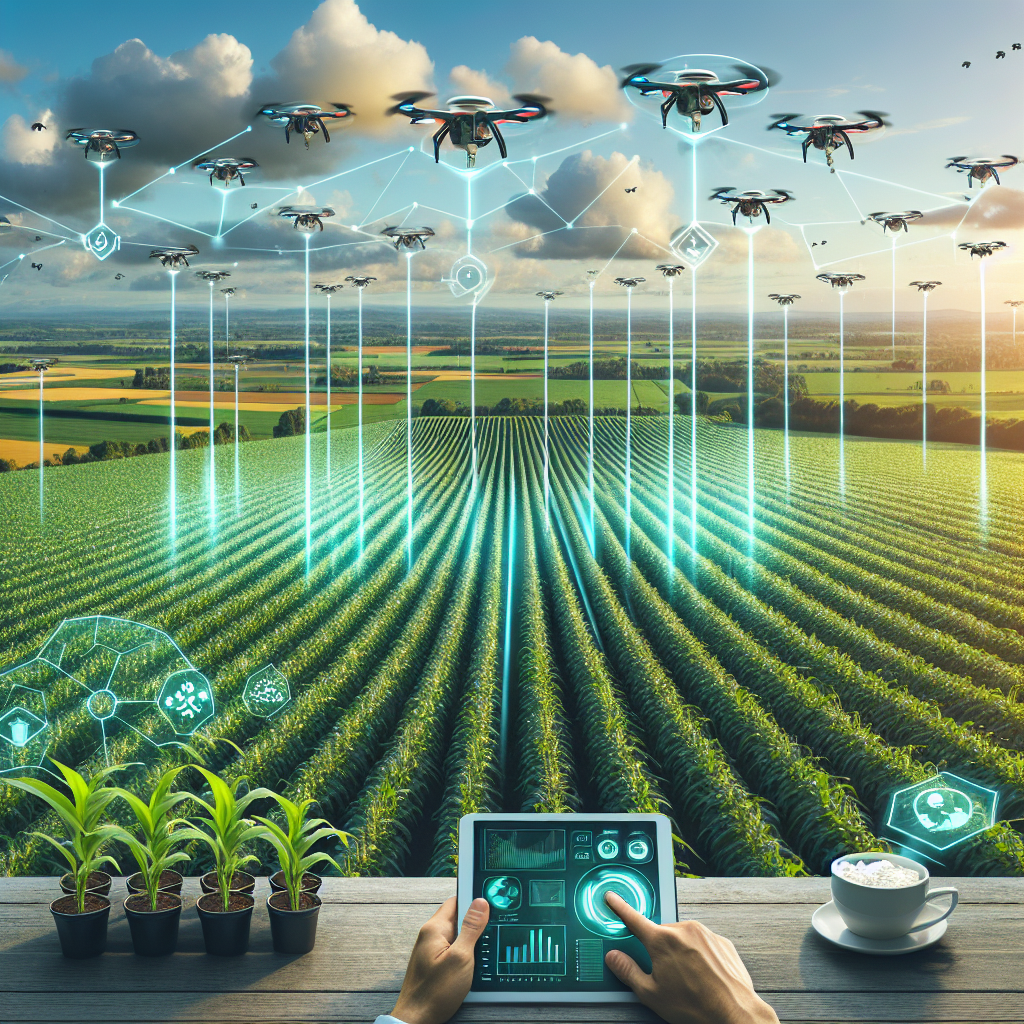
Another example is the use of AI-powered drones for precision agriculture. These drones are equipped with cameras and sensors that can capture high-resolution images of fields, which are then analyzed by AI algorithms to identify areas of concern such as crop stress or disease. By using drones, farmers can quickly assess the health of their crops and take action to address any issues before they escalate.
FAQs
Q: What are some examples of AI technologies being used in agriculture?
A: Some examples of AI technologies being used in agriculture include machine learning algorithms for crop yield prediction, computer vision systems for weed detection, and natural language processing tools for analyzing weather data.
Q: How can small-scale farmers benefit from AI in agriculture?
A: Small-scale farmers can benefit from AI in agriculture by using AI-powered mobile apps for personalized recommendations, AI-powered drones for precision agriculture, and AI algorithms for optimizing resource allocation.
Q: What are the challenges of democratizing AI in agriculture?
A: Some of the challenges of democratizing AI in agriculture include the need for user-friendly interfaces, training and support for non-expert users, and affordable pricing models. Additionally, ensuring data privacy and security is a key consideration.
Q: How can governments and organizations support the democratization of AI in agriculture?
A: Governments and organizations can support the democratization of AI in agriculture by providing funding for research and development, promoting collaboration between stakeholders, and creating policies that encourage the adoption of AI technologies in farming.
In conclusion, the democratization of AI in agriculture has the potential to transform the way we approach farming and food production. By making AI technologies more accessible to a wider range of users, we can empower farmers and agricultural professionals to make better decisions, optimize their operations, and increase their productivity. With continued innovation and support, AI in agriculture has the power to revolutionize the way we feed the world.