
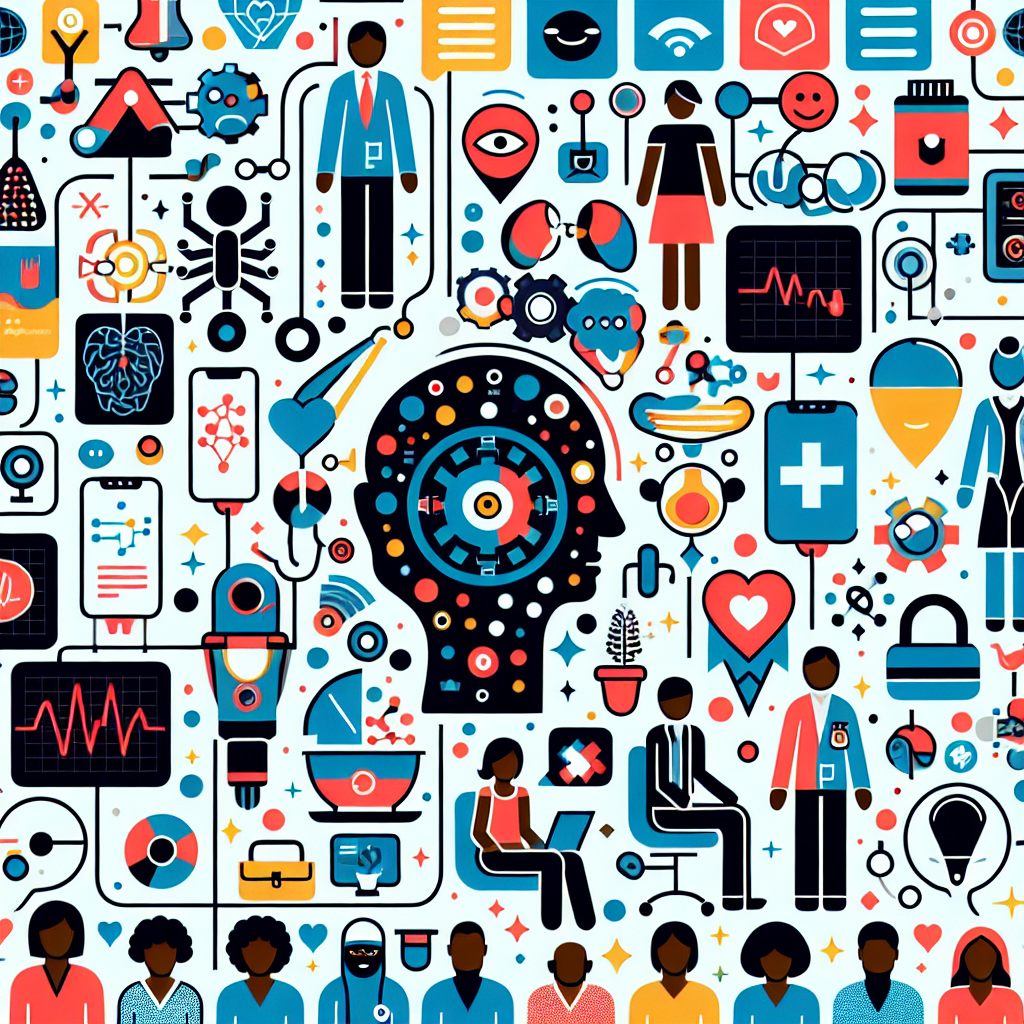
The Democratization of AI in Healthcare: Improving Patient Outcomes
Artificial Intelligence (AI) has revolutionized many industries, and healthcare is no exception. The democratization of AI in healthcare is bringing about significant improvements in patient outcomes, efficiency, and cost-effectiveness. From diagnosing diseases to personalized treatment plans, AI is transforming the way healthcare is delivered. In this article, we will explore the impact of AI in healthcare and how it is improving patient outcomes.
The Role of AI in Healthcare
AI has the potential to significantly impact the healthcare industry by providing clinicians with the tools and insights they need to make better decisions. AI algorithms can analyze vast amounts of data quickly and accurately, helping healthcare professionals diagnose diseases, predict outcomes, and personalize treatment plans. AI can also help streamline administrative tasks, such as scheduling appointments and managing patient records, allowing healthcare providers to focus more on patient care.
One of the most significant benefits of AI in healthcare is its ability to improve patient outcomes. By analyzing patient data and medical records, AI algorithms can identify patterns and trends that may not be apparent to human clinicians. This allows for earlier detection of diseases, more accurate diagnoses, and better treatment plans. For example, AI can help identify patients at risk of developing certain conditions, such as diabetes or heart disease, and provide personalized recommendations for prevention and management.
AI can also improve patient outcomes by reducing medical errors. Studies have shown that medical errors are a leading cause of death in the United States, and AI has the potential to help reduce these errors by providing clinicians with real-time insights and decision support tools. For example, AI algorithms can analyze medical images to help radiologists detect abnormalities more accurately, reducing the risk of misdiagnosis.
In addition to improving patient outcomes, AI can also help healthcare providers operate more efficiently and cost-effectively. By automating routine tasks and streamlining workflows, AI can reduce administrative burden and allow clinicians to focus on patient care. AI can also help healthcare organizations optimize resource allocation, such as hospital bed management and staffing schedules, leading to cost savings and improved patient experiences.
Challenges and Opportunities
While the potential benefits of AI in healthcare are significant, there are also challenges that need to be addressed. One of the main challenges is ensuring the accuracy and reliability of AI algorithms. AI systems are only as good as the data they are trained on, and biases in the data can lead to inaccurate or discriminatory results. It is essential for healthcare providers to carefully evaluate and validate AI algorithms to ensure they are reliable and unbiased.
Another challenge is ensuring patient privacy and data security. AI systems require access to vast amounts of patient data to operate effectively, raising concerns about data privacy and security. Healthcare organizations must implement robust data protection measures and comply with regulations such as the Health Insurance Portability and Accountability Act (HIPAA) to safeguard patient information.
Despite these challenges, the democratization of AI in healthcare presents significant opportunities for improving patient outcomes. By harnessing the power of AI, healthcare providers can deliver more personalized and effective care, leading to better outcomes for patients. As AI technology continues to advance, we can expect to see even more innovations in healthcare that will further improve patient care and outcomes.
Frequently Asked Questions (FAQs)
Q: How is AI being used in healthcare?
A: AI is being used in healthcare in a variety of ways, including diagnosing diseases, predicting outcomes, and personalizing treatment plans. AI algorithms can analyze vast amounts of data quickly and accurately, helping healthcare professionals make better decisions and improve patient outcomes.
Q: Is AI replacing human clinicians in healthcare?
A: While AI can automate routine tasks and provide decision support for clinicians, it is not replacing human clinicians. AI is meant to augment the capabilities of healthcare professionals, not replace them. Human judgment and expertise are still essential in healthcare, and AI is meant to support and enhance the work of clinicians.
Q: How can healthcare providers ensure the accuracy and reliability of AI algorithms?
A: Healthcare providers can ensure the accuracy and reliability of AI algorithms by carefully evaluating and validating them. This includes testing the algorithms on diverse datasets, monitoring their performance in real-world settings, and addressing any biases or inaccuracies that may arise.
Q: What are some examples of AI applications in healthcare?
A: Some examples of AI applications in healthcare include diagnosing diseases from medical images, predicting patient outcomes based on clinical data, and personalizing treatment plans based on genetic information. AI is also being used to streamline administrative tasks, such as scheduling appointments and managing patient records.
Q: What are the benefits of AI in healthcare?
A: The benefits of AI in healthcare include improving patient outcomes, reducing medical errors, and optimizing resource allocation. AI can help healthcare providers deliver more personalized and effective care, leading to better outcomes for patients and cost savings for healthcare organizations.
In conclusion, the democratization of AI in healthcare is transforming the way healthcare is delivered and improving patient outcomes. By harnessing the power of AI, healthcare providers can provide more personalized and effective care, reduce medical errors, and optimize resource allocation. While there are challenges to overcome, the opportunities presented by AI in healthcare are significant, and we can expect to see continued innovations that will further improve patient care and outcomes.