
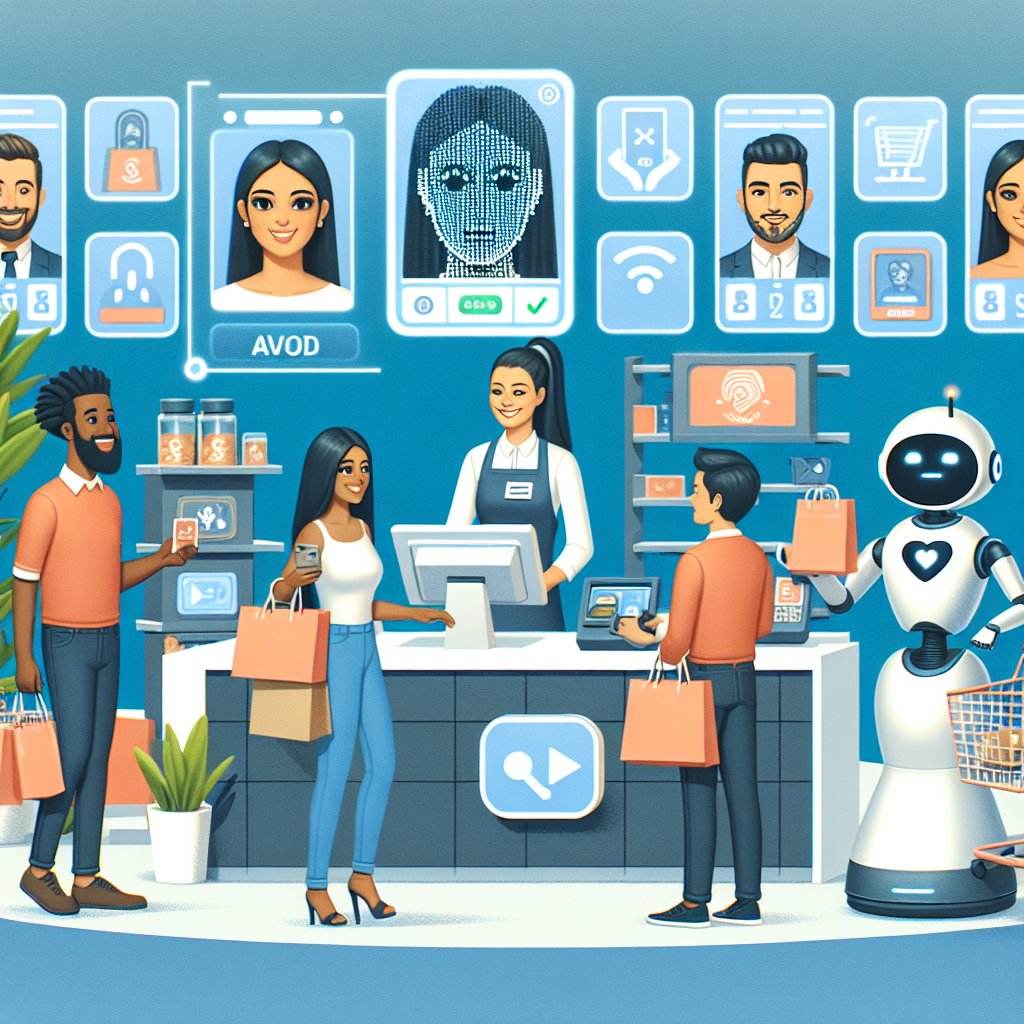
The democratization of artificial intelligence (AI) in the retail industry is a trend that is rapidly changing the way businesses operate. AI has the potential to revolutionize the way retailers interact with customers, optimize their operations, and gain valuable insights into consumer behavior. In this article, we will explore the impact of AI on the retail industry and how it is being democratized to benefit businesses of all sizes.
AI in Retail: A Game-Changer
Artificial intelligence is a powerful technology that has the ability to analyze vast amounts of data in real-time, learn from patterns, and make predictions about future outcomes. In the retail industry, AI can be used to enhance the customer experience, improve operational efficiency, and drive sales growth. Here are some ways AI is transforming the retail landscape:
1. Personalized Customer Experiences: AI-powered algorithms can analyze customer data to create personalized shopping experiences. By understanding customer preferences and behavior, retailers can offer targeted promotions, product recommendations, and personalized marketing messages to drive sales.
2. Inventory Management: AI can help retailers optimize their inventory levels by predicting demand, identifying trends, and recommending the right products to stock. This can help reduce stockouts, minimize overstocking, and improve overall supply chain efficiency.
3. Fraud Detection: AI algorithms can be used to detect fraudulent transactions in real-time by analyzing patterns and anomalies in customer behavior. This can help retailers prevent losses due to fraud and protect their customers’ data.
4. Pricing Optimization: AI can analyze competitor pricing, market trends, and customer behavior to recommend optimal pricing strategies. By dynamically adjusting prices based on demand and competition, retailers can maximize profits and stay competitive in the market.
5. Predictive Analytics: AI can be used to forecast sales, identify emerging trends, and predict customer behavior. By leveraging predictive analytics, retailers can make data-driven decisions to drive growth and improve their bottom line.
The Democratization of AI in Retail
Traditionally, AI technologies were complex, expensive, and only accessible to large enterprises with significant resources. However, the democratization of AI is changing this paradigm by making advanced AI tools and technologies more accessible to businesses of all sizes. Here are some ways AI is being democratized in the retail industry:
1. Cloud-Based AI Services: Many cloud providers offer AI services that can be easily integrated into retail applications. These services, such as Amazon Web Services (AWS) AI, Google Cloud AI, and Microsoft Azure AI, provide pre-built AI models, tools, and APIs that can be used by retailers to develop AI-powered applications without the need for extensive technical expertise.
2. AI Platforms: Several AI platforms, such as IBM Watson, Salesforce Einstein, and Adobe Sensei, are designed to help retailers leverage AI for marketing, sales, and customer service. These platforms provide a suite of AI-powered tools and solutions that can be customized to meet the specific needs of retailers.
3. Open-Source AI Libraries: Open-source AI libraries, such as TensorFlow, PyTorch, and scikit-learn, are freely available for developers to build AI models and applications. These libraries provide a wealth of resources, tutorials, and community support for retailers looking to implement AI solutions in their business.
4. AI Startups: A growing number of AI startups are emerging in the retail industry, offering innovative AI solutions tailored to the needs of retailers. These startups provide AI tools, applications, and services that are affordable, easy to use, and scalable for businesses of all sizes.
5. AI Marketplaces: AI marketplaces, such as Algorithmia and DataRobot, connect retailers with AI experts, developers, and vendors who can help them implement AI solutions in their business. These marketplaces provide a platform for retailers to discover, evaluate, and deploy AI technologies that meet their specific requirements.
FAQs:
1. What are some common AI applications in the retail industry?
Common AI applications in the retail industry include personalized recommendation engines, predictive analytics, fraud detection, inventory management, and pricing optimization.
2. How can retailers leverage AI to improve the customer experience?
Retailers can leverage AI to improve the customer experience by offering personalized recommendations, targeted promotions, and seamless shopping experiences across multiple channels. AI can help retailers understand customer preferences, predict behavior, and tailor their offerings to meet individual needs.
3. How can small businesses benefit from AI in the retail industry?
Small businesses can benefit from AI in the retail industry by leveraging cloud-based AI services, open-source AI libraries, and AI platforms to enhance their operations, drive sales growth, and improve customer engagement. By democratizing AI, small businesses can access powerful AI tools and technologies that were once only available to large enterprises.
4. What are some challenges of implementing AI in the retail industry?
Some challenges of implementing AI in the retail industry include data privacy concerns, lack of technical expertise, integration with existing systems, and upfront costs. Retailers must carefully consider these challenges and develop a strategic plan for implementing AI solutions in their business.
5. What trends are shaping the future of AI in the retail industry?
Some trends shaping the future of AI in the retail industry include the rise of voice commerce, AI-powered chatbots, augmented reality shopping experiences, and hyper-personalization. As AI continues to evolve, retailers must stay ahead of these trends to remain competitive and meet the changing needs of customers.
In conclusion, the democratization of AI in the retail industry is opening up new opportunities for businesses to leverage advanced technologies to drive growth, improve efficiency, and enhance the customer experience. By embracing AI and leveraging the tools and resources available, retailers of all sizes can stay competitive in the rapidly evolving retail landscape.