
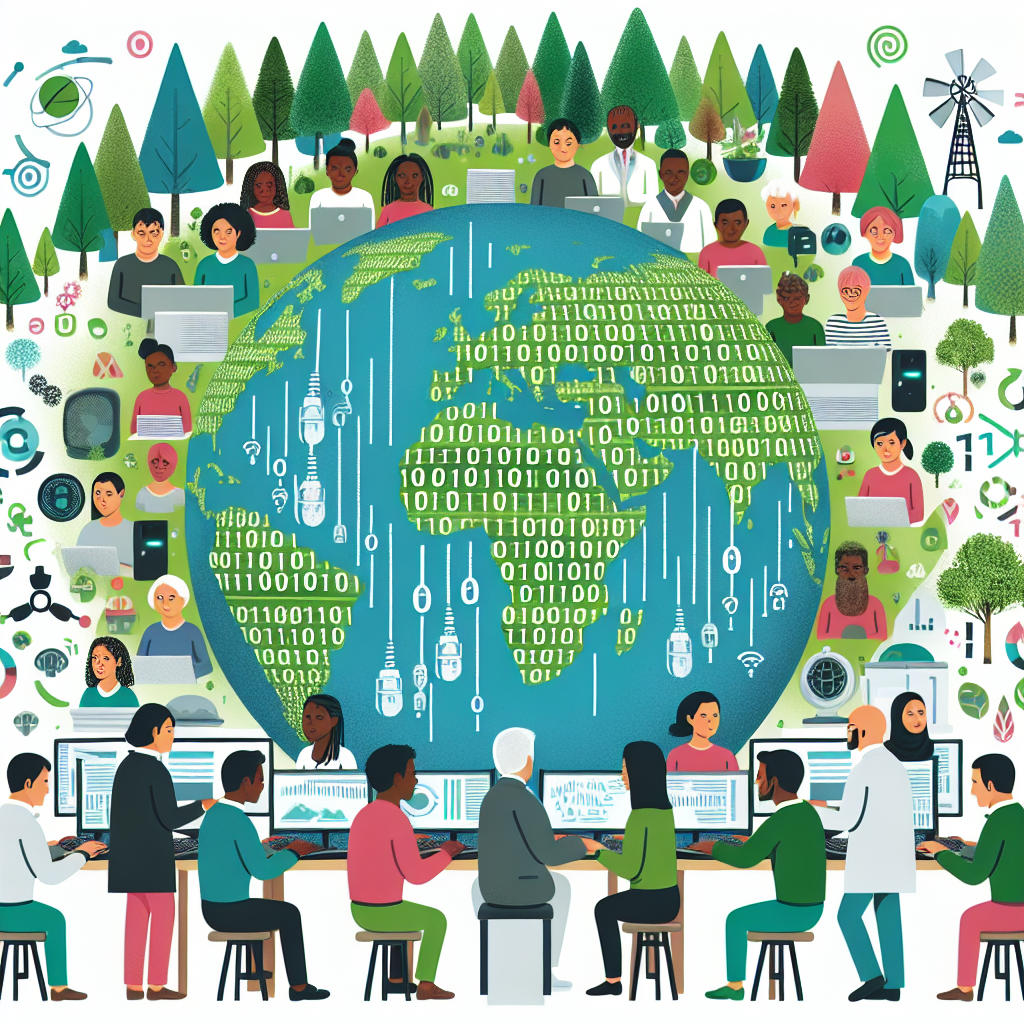
Artificial intelligence (AI) has become an integral part of our daily lives, from voice assistants like Siri and Alexa to personalized recommendations on streaming platforms and social media. The democratization of AI, or the accessibility of AI tools and technologies to a wider audience, has the potential to revolutionize industries and improve efficiency. However, as AI becomes more widespread, it is important to consider its environmental impact.
The environmental impact of AI democratization is a complex issue that involves the energy consumption of AI systems, the electronic waste generated by older models, and the carbon footprint of data centers that house AI algorithms. In this article, we will explore these factors and discuss potential solutions to mitigate the environmental impact of AI democratization.
Energy Consumption
One of the primary concerns regarding the environmental impact of AI democratization is the energy consumption of AI systems. AI models require large amounts of computational power to process and analyze data, which can lead to high energy usage. Training a single AI model can consume as much energy as several cars over their lifetime, according to a study by researchers at the University of Massachusetts, Amherst.
The energy consumption of AI systems is largely driven by the training process, where the AI model is fed large amounts of data to learn from. This process requires powerful hardware, such as graphics processing units (GPUs) and tensor processing units (TPUs), which consume significant amounts of electricity. In addition, the use of cloud computing services to train AI models can further increase energy consumption, as data centers that host these services require large amounts of energy to operate.
To reduce the energy consumption of AI systems, researchers and engineers are exploring new algorithms and techniques that are more energy-efficient. For example, sparse neural networks, which only activate a small percentage of neurons during training, can significantly reduce energy consumption compared to traditional dense networks. In addition, techniques such as model distillation, where a smaller and less complex model is trained to mimic the behavior of a larger model, can also reduce energy consumption.
Electronic Waste
Another environmental impact of AI democratization is the electronic waste generated by older AI models. As AI technology evolves rapidly, older models can quickly become outdated and obsolete, leading to their disposal. The disposal of electronic waste, or e-waste, can have harmful effects on the environment if not properly managed.
E-waste contains toxic substances such as lead, mercury, and cadmium, which can leach into the soil and water if not disposed of properly. In addition, e-waste can release greenhouse gases such as methane and carbon dioxide when incinerated or landfilled, contributing to climate change.
To reduce the environmental impact of e-waste from AI systems, manufacturers and consumers can take steps to extend the lifespan of AI devices. This can include upgrading hardware components instead of replacing the entire system, repurposing older models for less demanding tasks, or recycling components for use in new devices.
Data Centers
Data centers that host AI algorithms and models also have a significant environmental impact due to their high energy consumption. Data centers require large amounts of electricity to power servers, cooling systems, and other infrastructure, leading to a sizable carbon footprint. According to a report by the International Energy Agency, data centers are responsible for approximately 1% of global electricity consumption.
To reduce the environmental impact of data centers, companies are increasingly turning to renewable energy sources such as solar and wind power. Google, Microsoft, and Amazon have all committed to powering their data centers with 100% renewable energy, reducing their carbon footprint and environmental impact. In addition, data center operators are implementing energy-efficient cooling systems, server consolidation techniques, and other strategies to minimize energy consumption.
FAQs
Q: How can individuals reduce the environmental impact of AI democratization?
A: Individuals can reduce the environmental impact of AI democratization by being mindful of their energy consumption when using AI devices. This can include turning off devices when not in use, optimizing settings to reduce energy usage, and choosing energy-efficient models when purchasing new devices.
Q: What are some ways that companies can mitigate the environmental impact of AI democratization?
A: Companies can mitigate the environmental impact of AI democratization by investing in energy-efficient hardware and infrastructure, using renewable energy sources to power data centers, and implementing sustainable practices throughout the product lifecycle. This can include designing products for longevity, recycling components, and reducing electronic waste.
Q: What role can policymakers play in addressing the environmental impact of AI democratization?
A: Policymakers can play a crucial role in addressing the environmental impact of AI democratization by implementing regulations and incentives to promote energy efficiency and sustainability in AI technologies. This can include setting standards for energy consumption, incentivizing the use of renewable energy, and promoting responsible recycling practices.
In conclusion, the environmental impact of AI democratization is a complex issue that requires collaborative efforts from individuals, companies, and policymakers to address. By investing in energy-efficient technologies, reducing electronic waste, and powering data centers with renewable energy, we can minimize the environmental footprint of AI systems and create a more sustainable future for all.