
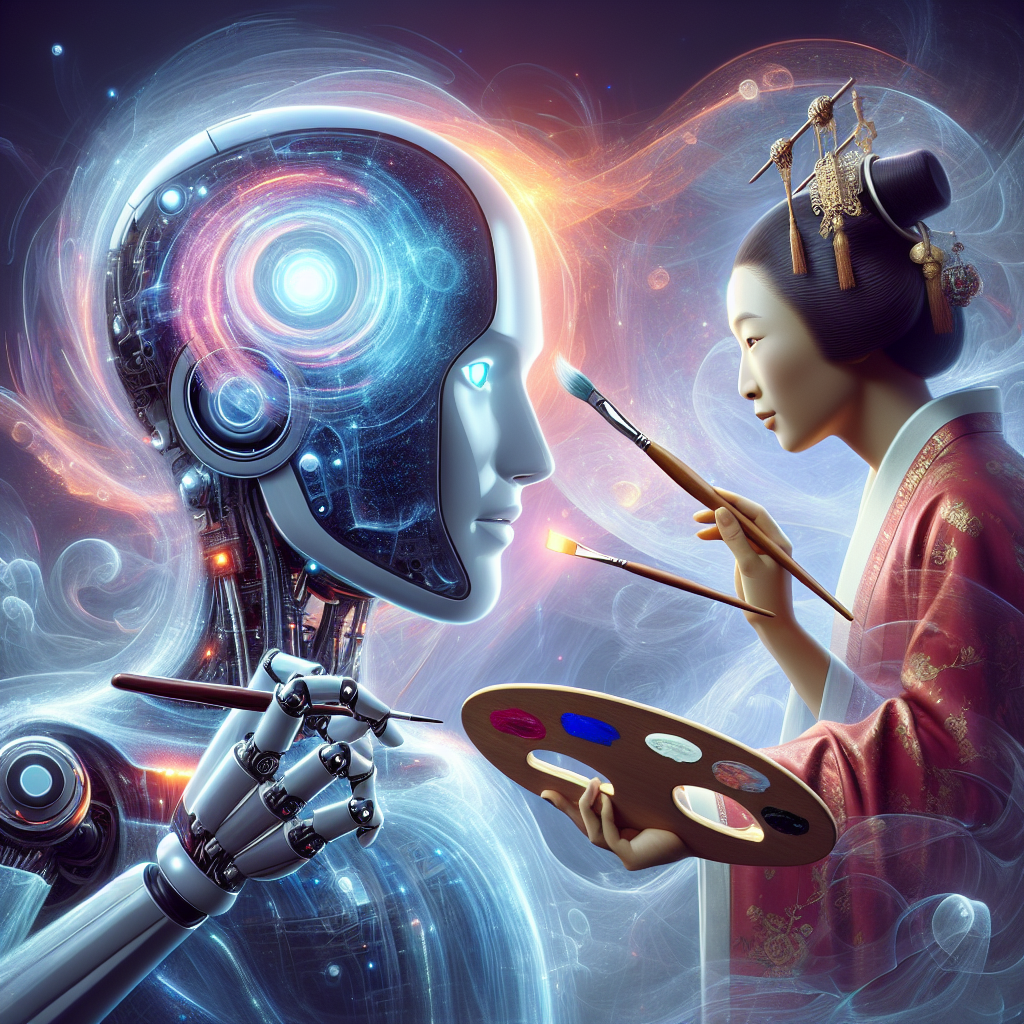
Artificial intelligence (AI) has rapidly advanced in recent years, revolutionizing many industries and creating new possibilities for innovation and creativity. In the field of art and creativity, AI has the potential to generate new forms of expression and push the boundaries of what is possible. However, with this potential comes ethical challenges that must be addressed to ensure that AI is used responsibly and ethically in the creative process.
One of the biggest ethical challenges of AI in art and creativity is the issue of authorship and ownership. As AI systems become more sophisticated, they are increasingly capable of generating original works of art, music, and literature. This raises questions about who should be credited as the creator of these works and who has the rights to them. Should the AI system itself be considered the artist, or should credit be given to the humans who programmed and trained it? And if AI-generated works are sold or exhibited, who should receive the profits?
Another ethical challenge is the potential for AI to perpetuate biases and stereotypes in art and creative works. AI systems are trained on large datasets of existing works, which can contain biases and prejudices that are reflected in the output of the AI. This raises concerns about the impact of AI on diversity and representation in art, as well as the potential for AI-generated works to reinforce harmful stereotypes and discrimination.
Additionally, there are concerns about the impact of AI on the creative process itself. Some argue that AI could stifle human creativity by automating tasks that were previously done by artists, while others believe that AI has the potential to enhance human creativity by offering new tools and perspectives. Finding the right balance between human and AI creativity will be crucial in ensuring that AI is used ethically in the field of art and creativity.
There are also ethical considerations around the use of AI in the art market. As AI-generated works become more prevalent, there are concerns about the potential for fraud and manipulation in the art market. How can buyers and sellers verify the authenticity of AI-generated works, and what safeguards need to be put in place to prevent misuse of AI in the art market?
To address these ethical challenges, it is important for stakeholders in the art and creative industries to engage in discussions about the responsible use of AI and to develop guidelines and best practices for the ethical use of AI in art and creativity. This may include transparency around the use of AI in creating art, ensuring that human creativity is valued and protected, and promoting diversity and inclusion in AI-generated works.
In conclusion, the ethical challenges of AI in the field of art and creativity are complex and multifaceted. As AI continues to advance and become more integrated into the creative process, it is important for stakeholders to address these challenges and ensure that AI is used responsibly and ethically in the pursuit of artistic expression and innovation.
FAQs:
Q: Can AI be considered a true artist?
A: The question of whether AI can be considered a true artist is a complex and debated topic. Some argue that AI lacks the consciousness and intentionality of human artists, while others believe that AI has the potential to create truly original and innovative works of art. Ultimately, the answer may depend on one’s definition of art and creativity.
Q: How can we ensure that AI-generated works are ethically produced?
A: To ensure that AI-generated works are ethically produced, it is important to be transparent about the use of AI in the creative process and to ensure that human creativity is valued and protected. Guidelines and best practices for the ethical use of AI in art and creativity can help to address these concerns.
Q: What are some potential benefits of AI in the field of art and creativity?
A: AI has the potential to enhance human creativity by offering new tools and perspectives, automating repetitive tasks, and pushing the boundaries of what is possible in art and creative expression. AI can also offer new opportunities for collaboration and experimentation in the creative process.
Q: How can we address biases and stereotypes in AI-generated works?
A: To address biases and stereotypes in AI-generated works, it is important to be mindful of the data used to train AI systems and to actively work to promote diversity and inclusion in the creative process. This may include diversifying datasets, incorporating diverse perspectives in the training of AI systems, and being conscious of the potential biases that may be present in AI-generated works.