
Introduction
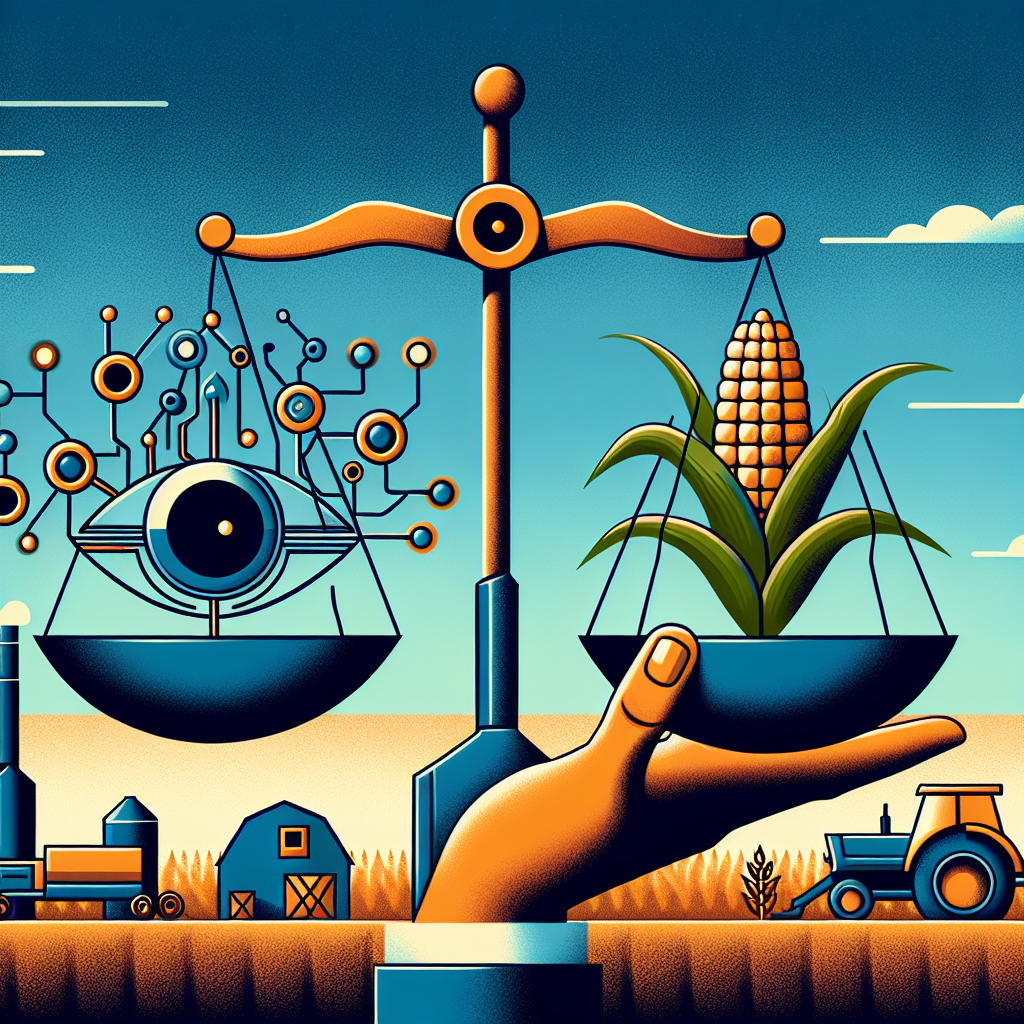
As technology continues to advance, the use of artificial intelligence (AI) in various industries is becoming more prevalent. One such industry that is seeing a surge in the use of AI-powered surveillance is agriculture. AI-powered surveillance in agriculture can provide farmers with valuable insights and data that can help improve crop yields, reduce waste, and increase efficiency. However, the use of AI in surveillance raises ethical considerations that must be addressed.
Ethical Considerations of AI-Powered Surveillance in Agriculture
1. Privacy concerns
One of the main ethical considerations of AI-powered surveillance in agriculture is the issue of privacy. Farmers may be using AI-powered drones or sensors to monitor their crops, but these devices can also capture data on neighboring farms or even private residences. This raises concerns about the potential invasion of privacy and the unauthorized collection of data.
2. Data security
Another ethical consideration is the security of the data collected by AI-powered surveillance systems. Farmers may be collecting sensitive information about their crops, such as yield projections, soil health, or pest infestations. This data must be securely stored and protected from hackers or other malicious actors who may seek to exploit it for their own gain.
3. Bias and discrimination
AI-powered surveillance systems are only as good as the algorithms that power them. If these algorithms are biased or discriminatory, they can lead to inaccurate or unfair outcomes. For example, a surveillance system that is biased against certain types of crops or farming practices could lead to discrimination against certain farmers or regions.
4. Lack of transparency
The use of AI in surveillance can also raise concerns about transparency. Farmers may not fully understand how the AI-powered systems work or how the data collected is being used. This lack of transparency can lead to mistrust and skepticism among farmers, as well as the general public.
5. Environmental impact
AI-powered surveillance systems in agriculture may also have unintended environmental consequences. For example, drones used for surveillance may consume large amounts of energy or produce emissions that contribute to air pollution. Additionally, the data collected by these systems may be used to make decisions that have negative environmental impacts, such as increased pesticide use or deforestation.
FAQs
Q: Are there any laws or regulations that govern the use of AI-powered surveillance in agriculture?
A: In some countries, there are laws and regulations that govern the use of surveillance technology in agriculture. For example, the European Union’s General Data Protection Regulation (GDPR) includes provisions that regulate the collection and use of personal data, including data collected by AI-powered surveillance systems. However, these laws and regulations may vary from country to country.
Q: How can farmers ensure that the data collected by AI-powered surveillance systems is secure?
A: Farmers can take several steps to ensure that the data collected by AI-powered surveillance systems is secure. This includes encrypting the data, using secure storage systems, and regularly updating security protocols to protect against cyber threats.
Q: How can farmers address concerns about bias and discrimination in AI-powered surveillance systems?
A: Farmers can address concerns about bias and discrimination in AI-powered surveillance systems by regularly auditing the algorithms that power these systems and ensuring that they are fair and unbiased. Additionally, farmers can diversify the data sources used by these systems to help reduce the risk of bias.
Q: What are some best practices for using AI-powered surveillance in agriculture ethically?
A: Some best practices for using AI-powered surveillance in agriculture ethically include obtaining consent from farmers before collecting data, being transparent about how the data will be used, regularly auditing the algorithms that power the surveillance systems, and ensuring that the data collected is secure and protected from unauthorized access.
Conclusion
AI-powered surveillance in agriculture has the potential to revolutionize the industry by providing farmers with valuable insights and data that can help improve crop yields, reduce waste, and increase efficiency. However, the use of AI in surveillance raises ethical considerations that must be addressed, including privacy concerns, data security, bias and discrimination, lack of transparency, and environmental impact. By implementing best practices and adhering to laws and regulations, farmers can use AI-powered surveillance systems ethically and responsibly.