
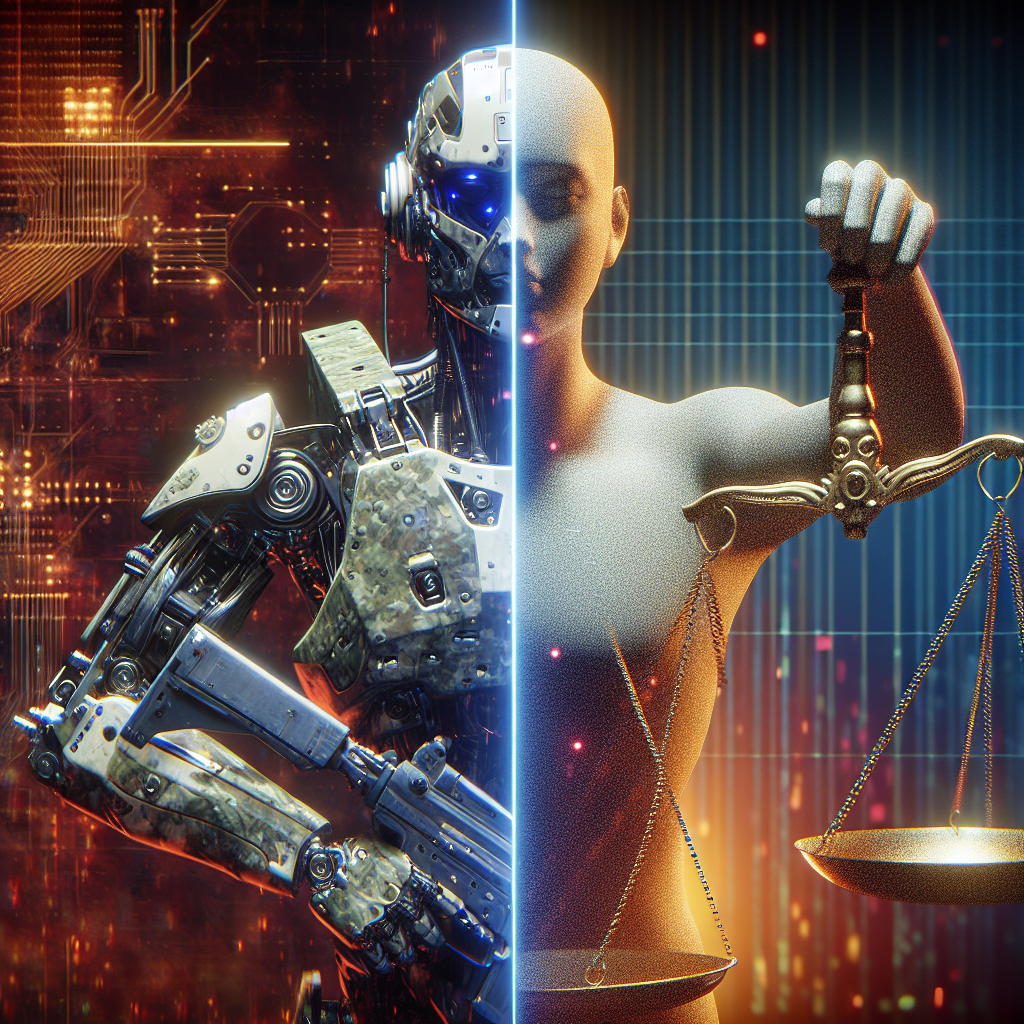
The Ethical Dilemmas of AI in Warfare
Artificial intelligence (AI) has become an increasingly prominent tool in modern warfare, with advancements in technology enabling the use of AI in a variety of military applications. While AI has the potential to enhance military capabilities and improve efficiency, it also raises a number of ethical dilemmas that must be carefully considered. From concerns about autonomous weapons to questions about accountability and transparency, the use of AI in warfare presents a range of complex ethical challenges that must be addressed.
One of the primary ethical dilemmas surrounding the use of AI in warfare is the development and deployment of autonomous weapons systems. These systems are designed to operate without human intervention, making decisions about who to target and when to strike based on algorithms and data analysis. Proponents argue that autonomous weapons can reduce the risk to human soldiers and civilians, as well as improve the speed and accuracy of military operations. However, critics raise a number of ethical concerns about the use of such systems, including the potential for mistakes and unintended consequences, as well as the lack of human oversight and accountability.
Another ethical dilemma related to AI in warfare is the issue of bias and discrimination. AI systems are designed to analyze large amounts of data and make decisions based on patterns and trends, but they can also perpetuate and amplify existing biases and prejudices. For example, AI algorithms used in predictive policing have been found to disproportionately target minority communities, leading to concerns about racial profiling and discrimination. In the context of warfare, AI systems could similarly be used to target specific groups or populations based on biased or incomplete data, raising serious ethical questions about fairness and justice.
Transparency and accountability are also key ethical considerations when it comes to the use of AI in warfare. As AI systems become more sophisticated and autonomous, it can be difficult to understand how they reach their decisions and who is ultimately responsible for their actions. This lack of transparency can make it challenging to hold individuals or organizations accountable for the consequences of AI-driven military operations, leading to concerns about the potential for unchecked power and abuse. Additionally, the use of AI in warfare raises questions about the role of human judgment and moral reasoning in military decision-making, as well as the need for clear guidelines and regulations to ensure that AI is used ethically and responsibly.
In light of these ethical dilemmas, there is a growing recognition of the need for international cooperation and regulation to govern the use of AI in warfare. Organizations such as the United Nations and the International Committee of the Red Cross have called for a ban on autonomous weapons systems and the development of ethical guidelines for the use of AI in military operations. These efforts aim to promote transparency, accountability, and respect for human rights in the deployment of AI technologies, while also encouraging dialogue and collaboration among governments, militaries, and technology companies to address the ethical challenges posed by AI in warfare.
As the use of AI in warfare continues to evolve, it is important for policymakers, military leaders, and the public to engage in informed and thoughtful discussions about the ethical implications of these technologies. By considering the potential risks and benefits of AI in warfare, as well as the broader ethical principles that should guide their use, we can work towards ensuring that AI is employed in a manner that is consistent with our values and commitments to human rights and international law.
FAQs
Q: What are some of the potential benefits of using AI in warfare?
A: AI has the potential to enhance military capabilities and improve efficiency in a variety of ways, such as increasing the speed and accuracy of military operations, reducing the risk to human soldiers and civilians, and enabling more effective decision-making in complex and rapidly changing environments.
Q: What are some of the ethical concerns raised by the use of AI in warfare?
A: Some of the key ethical concerns related to AI in warfare include the development and deployment of autonomous weapons systems, the potential for bias and discrimination in AI algorithms, and the challenges of transparency and accountability in military decision-making.
Q: How can we address the ethical dilemmas of AI in warfare?
A: Addressing the ethical dilemmas of AI in warfare requires a multi-faceted approach, including the development of international regulations and guidelines for the use of AI in military operations, as well as ongoing dialogue and collaboration among governments, militaries, and technology companies to ensure that AI is employed ethically and responsibly.
Q: What role can individuals play in promoting ethical AI in warfare?
A: Individuals can play a key role in promoting ethical AI in warfare by staying informed about the potential risks and benefits of AI technologies, engaging in discussions about the ethical implications of AI in military operations, and advocating for transparency, accountability, and respect for human rights in the use of AI in warfare.