
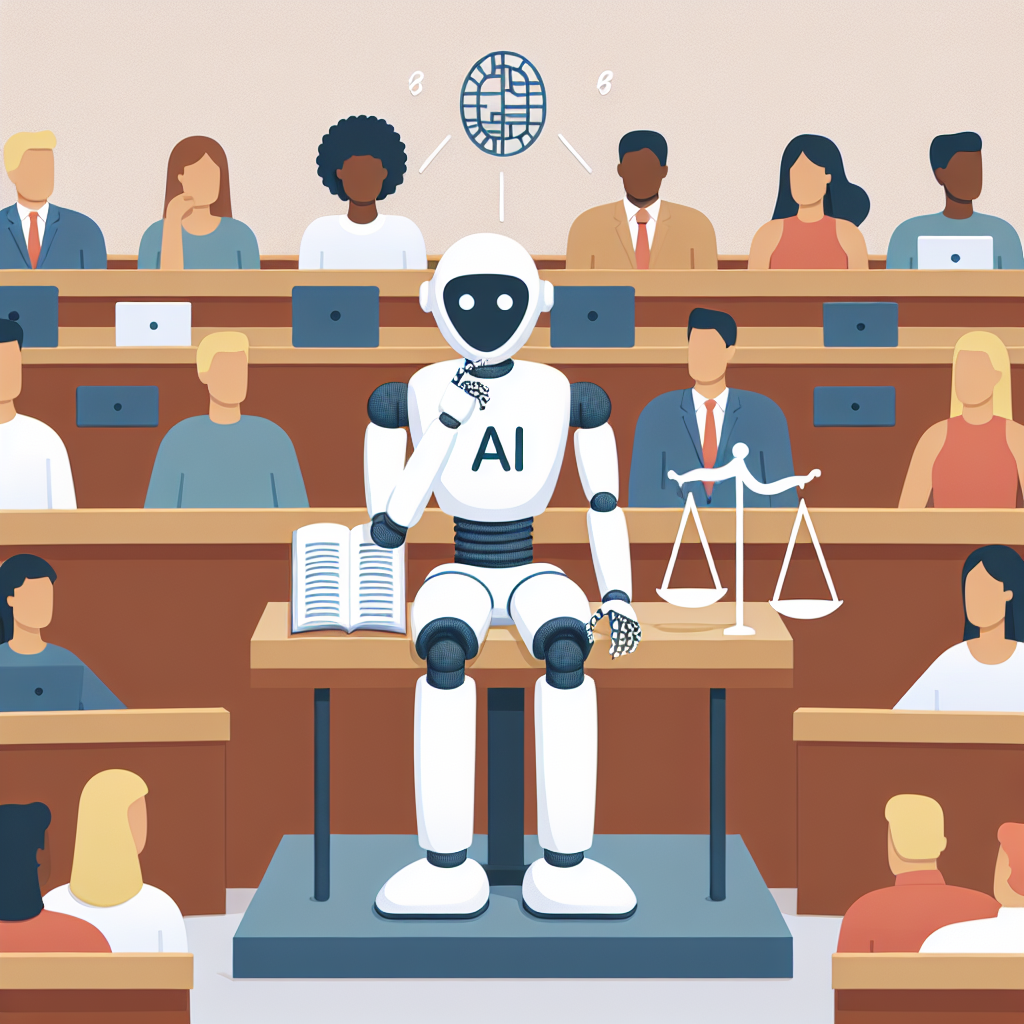
Artificial Intelligence (AI) has rapidly advanced in recent years, revolutionizing industries and enhancing our daily lives. From self-driving cars to personalized recommendations on streaming platforms, AI has become an integral part of society. However, as AI systems become more prevalent, concerns about bias in AI algorithms have also grown. The ethical implications of AI bias are significant and must be carefully considered to ensure that AI technologies are fair and equitable for all individuals.
AI bias refers to the systematic and unfair discrimination that occurs when AI algorithms exhibit prejudice towards certain groups of people. This bias can manifest in various ways, such as in hiring practices, loan approvals, or criminal sentencing. The root of AI bias often lies in the data used to train algorithms, which can reflect historical prejudices and inequalities present in society. If not addressed, AI bias can perpetuate discrimination, exacerbate inequalities, and undermine trust in AI technologies.
The ethical implications of AI bias are multifaceted and require a nuanced approach to address. On one hand, AI has the potential to improve efficiency, accuracy, and decision-making in various domains. However, if AI systems are biased, they can perpetuate existing inequalities and harm marginalized communities. It is essential to recognize and mitigate bias in AI algorithms to ensure they promote fairness, transparency, and accountability.
One of the key ethical concerns surrounding AI bias is the potential for discrimination against certain groups of people. For example, if an AI algorithm used in hiring processes is biased against women or minorities, it can perpetuate existing gender and racial inequalities in the workplace. This can lead to a lack of diversity, representation, and opportunity for marginalized groups, ultimately hindering social progress and economic growth.
Another ethical implication of AI bias is the lack of transparency and accountability in AI decision-making. AI algorithms are often complex and opaque, making it difficult to understand how they arrive at a particular decision. This lack of transparency can make it challenging to identify and rectify bias in AI systems, leading to potential harm and injustice for individuals affected by biased decisions.
Furthermore, the use of AI in sensitive areas such as criminal justice, healthcare, and finance raises ethical concerns about the potential for harm and discrimination. If AI algorithms are biased in these domains, they can have serious consequences for individuals’ lives, liberty, and well-being. For example, biased AI systems used in predictive policing can lead to unjust targeting and surveillance of certain communities, perpetuating systemic racism and injustice in the criminal justice system.
To address the ethical implications of AI bias, it is crucial to implement robust and comprehensive measures to mitigate bias in AI algorithms. This includes ensuring diverse and representative data sets, conducting bias audits and impact assessments, and promoting transparency and accountability in AI decision-making processes. Additionally, it is essential to involve stakeholders from diverse backgrounds, including ethicists, policymakers, and affected communities, in the design and deployment of AI systems to ensure they are fair, inclusive, and socially responsible.
Frequently Asked Questions (FAQs):
Q: What are some common types of bias in AI algorithms?
A: Common types of bias in AI algorithms include selection bias, where the training data is not representative of the population, and algorithmic bias, where the algorithm itself produces biased results based on the data it is trained on.
Q: How can bias in AI algorithms be mitigated?
A: Bias in AI algorithms can be mitigated through various methods, such as ensuring diverse and representative data sets, conducting bias audits and impact assessments, and promoting transparency and accountability in AI decision-making processes.
Q: What are the ethical implications of AI bias in hiring practices?
A: The ethical implications of AI bias in hiring practices include perpetuating gender and racial inequalities, hindering diversity and representation in the workplace, and undermining social progress and economic growth.
Q: How can stakeholders address the ethical implications of AI bias?
A: Stakeholders can address the ethical implications of AI bias by implementing robust measures to mitigate bias in AI algorithms, involving diverse stakeholders in the design and deployment of AI systems, and promoting transparency and accountability in AI decision-making processes.
In conclusion, the ethical implications of AI bias are significant and must be carefully considered to ensure that AI technologies promote fairness, transparency, and accountability. By addressing bias in AI algorithms and involving diverse stakeholders in the design and deployment of AI systems, we can create a more inclusive and equitable society where AI technologies benefit all individuals. It is essential to prioritize ethics and social responsibility in the development and use of AI to build a more just and equitable future for all.