
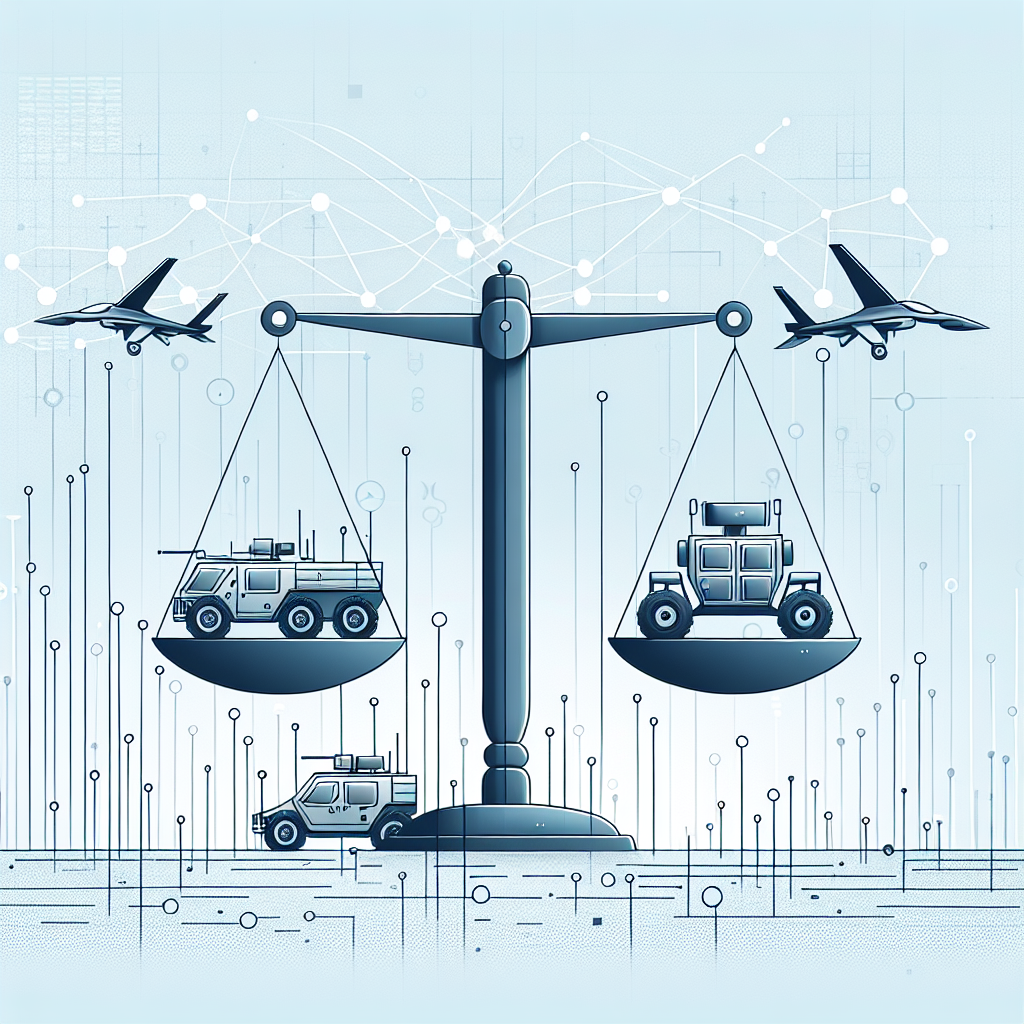
Artificial Intelligence (AI) has become an integral part of national security and defense strategies for many countries around the world. AI technologies have the potential to revolutionize the way we approach security and defense, but they also raise important ethical questions that must be addressed. In this article, we will explore the ethical implications of AI in national security and defense, and discuss some frequently asked questions about this complex and evolving field.
One of the primary ethical concerns surrounding AI in national security and defense is the potential for misuse and abuse of these technologies. AI systems have the ability to process vast amounts of data and make decisions at speeds that far surpass human capabilities. While this can be beneficial for identifying threats and responding to them quickly, it also raises the risk of unintended consequences, such as the targeting of innocent civilians or the escalation of conflicts. It is essential that policymakers and military leaders carefully consider the ethical implications of using AI in national security and defense, and take steps to mitigate these risks.
Another ethical issue related to AI in national security and defense is the lack of transparency and accountability in the development and deployment of these technologies. AI systems are often complex and opaque, making it difficult to understand how they reach their conclusions or make decisions. This lack of transparency can lead to bias and discrimination in AI algorithms, which can have serious consequences for individuals and communities that are unfairly targeted or harmed by these systems. It is crucial that governments and military organizations prioritize transparency and accountability in the development and use of AI technologies, in order to ensure that they are used responsibly and ethically.
Furthermore, there are concerns about the impact of AI on human autonomy and decision-making in national security and defense. As AI systems become more advanced and capable of making autonomous decisions, there is a risk that humans will cede too much control to these technologies, potentially undermining human agency and accountability in military operations. It is important that AI systems are designed to augment human decision-making and not replace it, in order to safeguard the ethical principles of accountability and responsibility in national security and defense.
In addition to these ethical concerns, there are also questions about the potential for AI to exacerbate existing security threats and geopolitical tensions. AI technologies can be used to conduct cyber attacks, manipulate information, and engage in other forms of asymmetric warfare that pose new challenges for national security and defense. As countries race to develop AI capabilities for military purposes, there is a risk of an arms race in AI that could further destabilize global security and lead to increased conflict and insecurity. It is essential that policymakers and military leaders work together to establish clear norms and regulations for the responsible use of AI in national security and defense, in order to prevent the escalation of tensions and promote international cooperation in this critical area.
Despite these ethical challenges, there are also potential benefits of AI in national security and defense that must be considered. AI technologies have the potential to enhance the effectiveness and efficiency of military operations, improve situational awareness and decision-making, and reduce the risk to human lives in conflict situations. By harnessing the power of AI, countries can better protect their citizens, safeguard their national interests, and promote global peace and security. It is important that policymakers and military leaders strike a balance between the ethical concerns and the potential benefits of AI in national security and defense, in order to maximize the positive impact of these technologies while minimizing the risks.
In conclusion, the ethical implications of AI in national security and defense are complex and multifaceted, requiring careful consideration and thoughtful decision-making by policymakers and military leaders. It is essential that governments and military organizations prioritize transparency, accountability, and human autonomy in the development and deployment of AI technologies, in order to ensure that they are used responsibly and ethically. By addressing these ethical concerns and working together to establish clear norms and regulations for the use of AI in national security and defense, countries can harness the power of AI to enhance their security and defense capabilities while upholding the values of human rights, dignity, and justice.
FAQs:
Q: What are some examples of AI technologies being used in national security and defense?
A: Some examples of AI technologies being used in national security and defense include autonomous drones for surveillance and reconnaissance, predictive analytics for threat detection and risk assessment, and cyber defense systems for detecting and responding to cyber attacks.
Q: How can AI be used to enhance national security and defense?
A: AI can be used to enhance national security and defense by improving situational awareness, decision-making, and response times in military operations, as well as by automating routine tasks and processes to free up human resources for more strategic and high-level tasks.
Q: What are some ethical concerns related to the use of AI in national security and defense?
A: Some ethical concerns related to the use of AI in national security and defense include the potential for misuse and abuse of these technologies, the lack of transparency and accountability in their development and deployment, and the impact on human autonomy and decision-making in military operations.
Q: How can governments and military organizations address the ethical implications of AI in national security and defense?
A: Governments and military organizations can address the ethical implications of AI in national security and defense by prioritizing transparency, accountability, and human autonomy in the development and deployment of these technologies, as well as by working together to establish clear norms and regulations for their responsible use.