
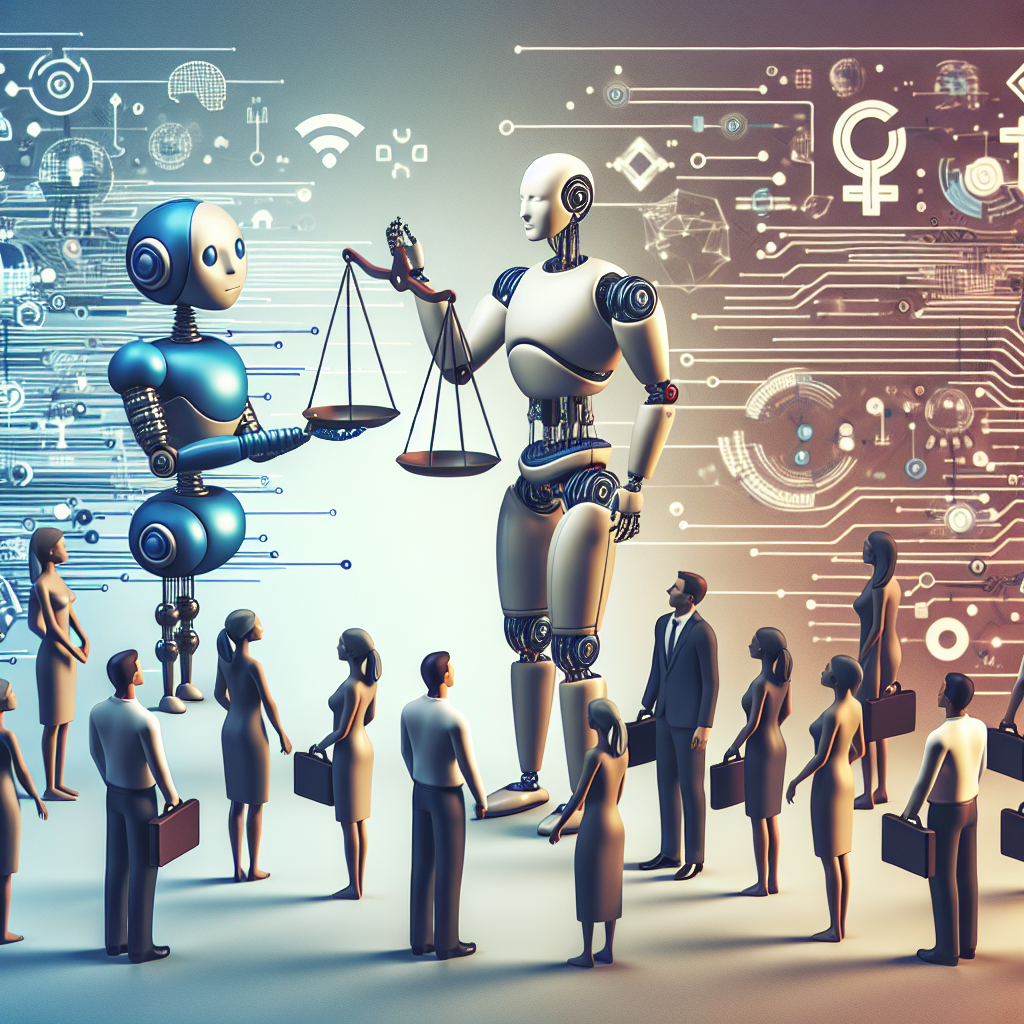
Artificial Intelligence (AI) has become an integral part of our society, with its applications ranging from personal assistants like Siri and Alexa to self-driving cars and medical diagnosis systems. While AI has the potential to revolutionize industries and improve the quality of our lives, it also raises important ethical implications that need to be addressed.
One of the main ethical concerns surrounding AI integration in society is the issue of job displacement. As AI technology becomes more advanced, there is a fear that many jobs will be automated, leading to mass unemployment. This raises questions about the responsibility of companies and governments to retrain workers and provide them with new job opportunities in the face of technological advancements.
Another ethical dilemma is the potential for AI systems to perpetuate biases and discrimination. AI algorithms are often trained on data that reflects existing societal biases, leading to discriminatory outcomes in areas such as hiring practices, criminal justice, and healthcare. It is crucial for developers to ensure that AI systems are fair and unbiased in their decision-making processes to avoid perpetuating existing inequalities in society.
Privacy concerns also arise with the integration of AI technology in society. AI systems collect vast amounts of personal data in order to make predictions and recommendations, raising questions about who has access to this data and how it is being used. There is a need for clear regulations and guidelines to protect individuals’ privacy rights and ensure that their data is not being misused by AI systems.
Additionally, the issue of accountability and transparency is crucial in the development and deployment of AI technology. As AI systems become more autonomous and make decisions without human intervention, it becomes challenging to determine who is responsible for the outcomes of these decisions. There is a need for clear guidelines on how to assign accountability for AI decisions and ensure transparency in the decision-making process.
Furthermore, there are concerns about the impact of AI on human autonomy and agency. As AI systems become more integrated into our daily lives, there is a risk that they will influence our decision-making processes and limit our freedom to make choices independently. It is essential to consider the implications of AI on human autonomy and ensure that individuals retain control over the decisions that affect their lives.
In conclusion, the integration of AI technology in society raises important ethical implications that need to be addressed. It is crucial for developers, policymakers, and society as a whole to consider the potential risks and benefits of AI technology and work towards ensuring that AI systems are developed and deployed in an ethical and responsible manner.
FAQs:
1. What are some examples of AI applications in society?
– AI is used in a wide range of applications, including personal assistants like Siri and Alexa, self-driving cars, medical diagnosis systems, and recommendation algorithms on platforms like Netflix and Amazon.
2. How can AI technology impact job displacement?
– AI technology has the potential to automate many jobs, leading to mass unemployment in certain industries. It is important for companies and governments to retrain workers and provide them with new job opportunities in the face of technological advancements.
3. What are some ways to address biases and discrimination in AI systems?
– Developers can address biases and discrimination in AI systems by ensuring that the data used to train the algorithms is diverse and representative of the population. They can also implement measures to detect and mitigate biases in AI decision-making processes.
4. How can we protect individuals’ privacy rights in the age of AI?
– Clear regulations and guidelines are needed to protect individuals’ privacy rights and ensure that their data is not being misused by AI systems. Companies and governments must be transparent about how they collect and use personal data and provide individuals with control over their data.
5. Who is responsible for the outcomes of AI decisions?
– As AI systems become more autonomous, it becomes challenging to determine who is responsible for the outcomes of their decisions. Clear guidelines are needed to assign accountability for AI decisions and ensure transparency in the decision-making process.