
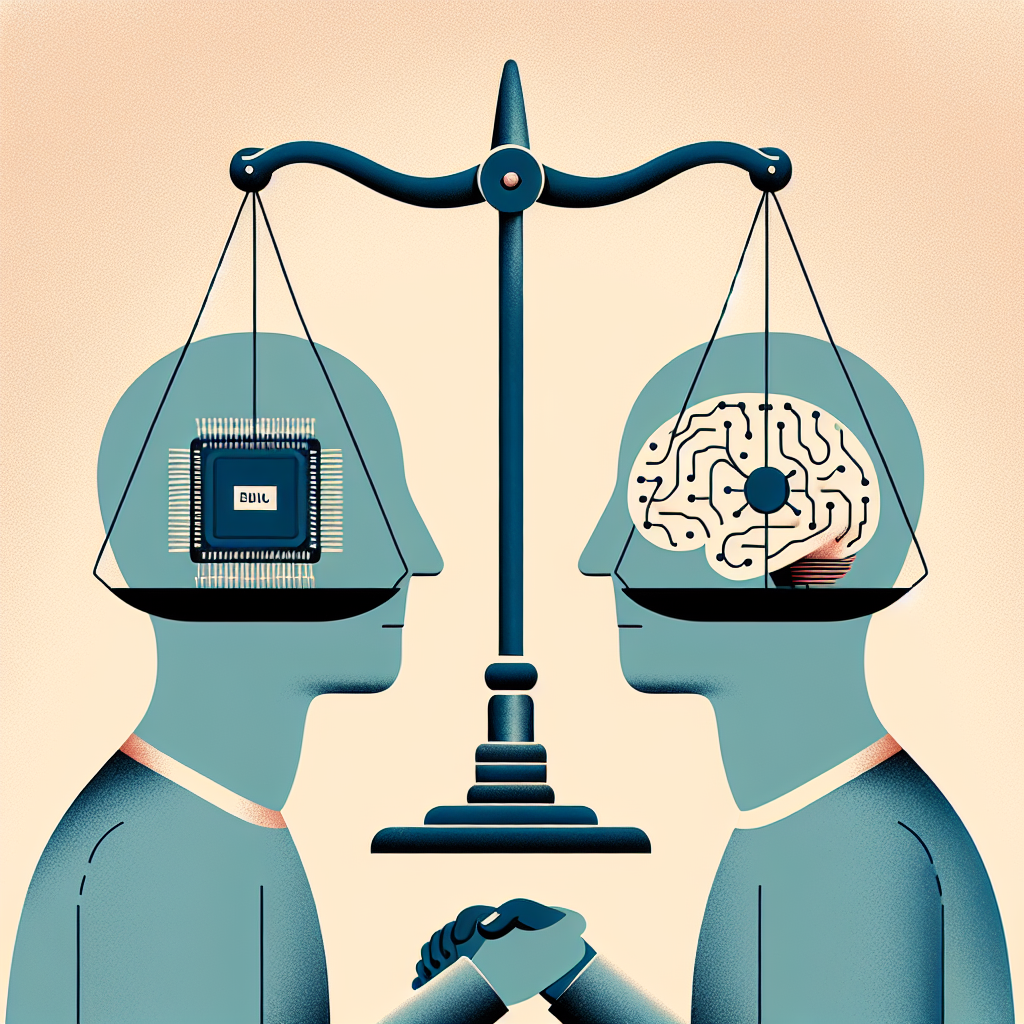
Artificial Intelligence (AI) has become an integral part of our lives, from powering virtual assistants like Siri and Alexa to driving autonomous vehicles and recommending content on social media platforms. With the rapid advancements in AI technology, there is a growing concern about the ethics of AI and its potential impact on society, particularly in terms of fairness and equity.
Ensuring fairness and equity in AI systems is crucial to prevent biases and discrimination that can have serious consequences for individuals and communities. In this article, we will explore the ethical considerations of AI, the challenges of ensuring fairness and equity, and the ways in which we can address these issues.
Ethical Considerations of AI
AI systems are designed to make decisions and predictions based on patterns and data. However, these systems can inadvertently perpetuate biases and discrimination present in the data they are trained on. For example, if an AI algorithm is trained on biased data that reflects societal prejudices, it may produce biased outcomes that reinforce existing inequalities.
In addition, AI systems can lack transparency and accountability, making it difficult to understand how decisions are made and who is responsible for them. This lack of transparency can raise ethical concerns about the fairness and equity of AI systems, particularly in high-stakes applications such as healthcare, criminal justice, and finance.
Furthermore, AI systems have the potential to amplify inequalities by favoring certain groups over others. For example, if an AI system is biased against a particular demographic group, it can result in discriminatory outcomes that disadvantage that group in various ways.
Challenges of Ensuring Fairness and Equity in AI
Ensuring fairness and equity in AI systems is a complex and multifaceted challenge that requires a proactive and interdisciplinary approach. Some of the key challenges include:
1. Bias in Data: AI systems rely on data to make decisions, and if the data is biased, the outcomes of the AI system will also be biased. Addressing bias in data requires careful data collection, preprocessing, and validation to ensure that the data is representative and unbiased.
2. Lack of Diversity in AI Development: The lack of diversity in the AI development community can lead to blind spots and biases in AI systems. Increasing diversity in AI development teams can help to identify and address biases in AI systems.
3. Lack of Transparency: Many AI systems operate as black boxes, making it difficult to understand how decisions are made. Increasing transparency in AI systems can help to address concerns about fairness and equity.
4. Accountability: It can be challenging to determine who is responsible for the decisions made by AI systems. Establishing clear lines of accountability can help to ensure that AI systems are used ethically and responsibly.
Ways to Address Fairness and Equity in AI
Addressing fairness and equity in AI requires a multi-pronged approach that involves technical, regulatory, and ethical considerations. Some of the ways in which we can address fairness and equity in AI include:
1. Fairness-Aware AI Algorithms: Researchers are developing algorithms that are designed to mitigate biases and promote fairness in AI systems. These algorithms can help to identify and correct biases in data and decision-making processes.
2. Diversity and Inclusion in AI Development: Increasing diversity and inclusion in the AI development community can help to identify and address biases in AI systems. Organizations can promote diversity by recruiting and retaining diverse talent and creating inclusive work environments.
3. Transparency and Explainability: Improving the transparency and explainability of AI systems can help to build trust and accountability. Organizations can implement practices such as algorithmic impact assessments and model documentation to increase transparency in AI systems.
4. Ethical Guidelines and Standards: Developing ethical guidelines and standards for AI can help to ensure that AI systems are used ethically and responsibly. Organizations can adopt frameworks such as the IEEE Ethically Aligned Design to guide the development and deployment of AI systems.
Frequently Asked Questions
Q: How can biases in AI systems be identified and addressed?
A: Biases in AI systems can be identified and addressed through careful data collection, preprocessing, and validation. Researchers are also developing algorithms that are designed to mitigate biases and promote fairness in AI systems.
Q: What are some examples of biases in AI systems?
A: Examples of biases in AI systems include gender bias in hiring algorithms, racial bias in predictive policing systems, and socioeconomic bias in credit scoring models.
Q: How can organizations promote diversity and inclusion in the AI development community?
A: Organizations can promote diversity and inclusion in the AI development community by recruiting and retaining diverse talent, creating inclusive work environments, and providing opportunities for professional development and advancement.
Q: How can transparency and explainability be improved in AI systems?
A: Transparency and explainability in AI systems can be improved through practices such as algorithmic impact assessments, model documentation, and stakeholder engagement. These practices can help to build trust and accountability in AI systems.
In conclusion, ensuring fairness and equity in AI is a complex and ongoing challenge that requires a collaborative effort from researchers, policymakers, and industry stakeholders. By addressing biases, promoting diversity and inclusion, increasing transparency and accountability, and developing ethical guidelines and standards, we can work towards creating AI systems that are fair, equitable, and responsible.