
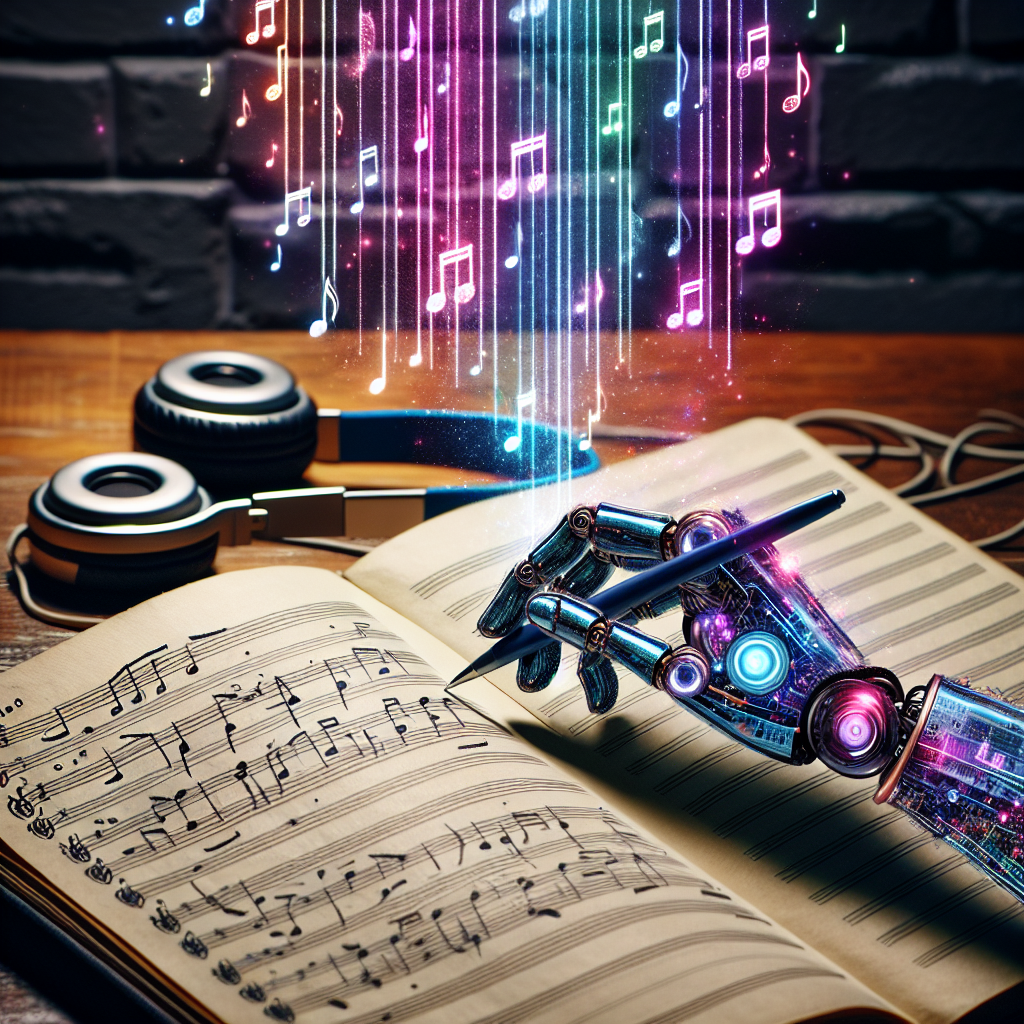
The Ethics of AI-Generated Music Plagiarism
In recent years, the advancement of artificial intelligence (AI) technology has revolutionized many industries, including the music industry. AI-generated music has become increasingly popular, with algorithms capable of composing and producing music that rivals that of human composers. However, as AI-generated music becomes more prevalent, questions of ethics and plagiarism have arisen.
One of the main concerns surrounding AI-generated music is the issue of plagiarism. When an AI algorithm creates a piece of music that is strikingly similar to an existing song, who should be held responsible for the plagiarism? Is it the AI itself, the programmer who created the algorithm, or the person who owns the AI system?
To delve deeper into this complex issue, it is important to consider the ethical implications of AI-generated music plagiarism. In this article, we will explore the various perspectives on this topic, as well as address some frequently asked questions about the ethics of AI-generated music plagiarism.
Perspectives on AI-Generated Music Plagiarism
There are several different perspectives on the ethics of AI-generated music plagiarism. Some argue that AI-generated music should be considered original content, even if it bears similarities to existing songs. They believe that since the AI algorithm is capable of creating music autonomously, it should be treated as a separate entity from its human creators.
On the other hand, there are those who believe that AI-generated music should be subject to the same copyright laws as music created by humans. They argue that if an AI algorithm produces a piece of music that is indistinguishable from an existing song, it should be considered plagiarism and the creators should be held accountable.
Another perspective is that AI-generated music should be seen as a form of collaboration between humans and machines. In this view, the AI algorithm acts as a tool for human creators to expand their creative capabilities, rather than a separate entity that creates music independently. Proponents of this perspective argue that as long as the human creators are involved in the process of generating music, they should be credited for their contributions.
Ultimately, the ethics of AI-generated music plagiarism are still being debated and there is no clear consensus on how to address this issue. As AI technology continues to evolve and become more sophisticated, it is likely that the debate surrounding AI-generated music plagiarism will only intensify.
Frequently Asked Questions about the Ethics of AI-Generated Music Plagiarism
Q: Can AI algorithms be held responsible for plagiarism?
A: Currently, there is no legal framework in place to hold AI algorithms responsible for plagiarism. However, as AI technology continues to advance, it is possible that laws may be enacted to address this issue in the future.
Q: How can we determine if a piece of AI-generated music is plagiarized?
A: Determining if a piece of AI-generated music is plagiarized can be challenging, as AI algorithms are capable of producing music that is similar to existing songs. One way to assess if a piece of AI-generated music is plagiarized is to compare it to existing songs and look for significant similarities in melody, harmony, and structure.
Q: Should AI-generated music be subject to copyright laws?
A: The issue of whether AI-generated music should be subject to copyright laws is still being debated. Some argue that since AI algorithms are capable of creating music autonomously, they should be treated as original content and not subject to copyright laws. Others believe that AI-generated music should be subject to the same copyright laws as music created by humans.
Q: How can we prevent AI-generated music plagiarism?
A: One way to prevent AI-generated music plagiarism is to ensure that human creators are involved in the process of generating music with AI algorithms. By actively participating in the creation of music, human creators can ensure that their work is original and does not infringe on existing copyrights.
Q: What are the potential consequences of AI-generated music plagiarism?
A: The potential consequences of AI-generated music plagiarism are still unclear, as there is no legal precedent for addressing this issue. However, if AI-generated music is found to be plagiarized, the creators could face legal action, including fines and penalties for copyright infringement.
In conclusion, the ethics of AI-generated music plagiarism are complex and multifaceted. As AI technology continues to advance, it is important for policymakers, musicians, and technologists to consider the ethical implications of AI-generated music and work towards finding solutions that protect the rights of creators while fostering innovation and creativity.