
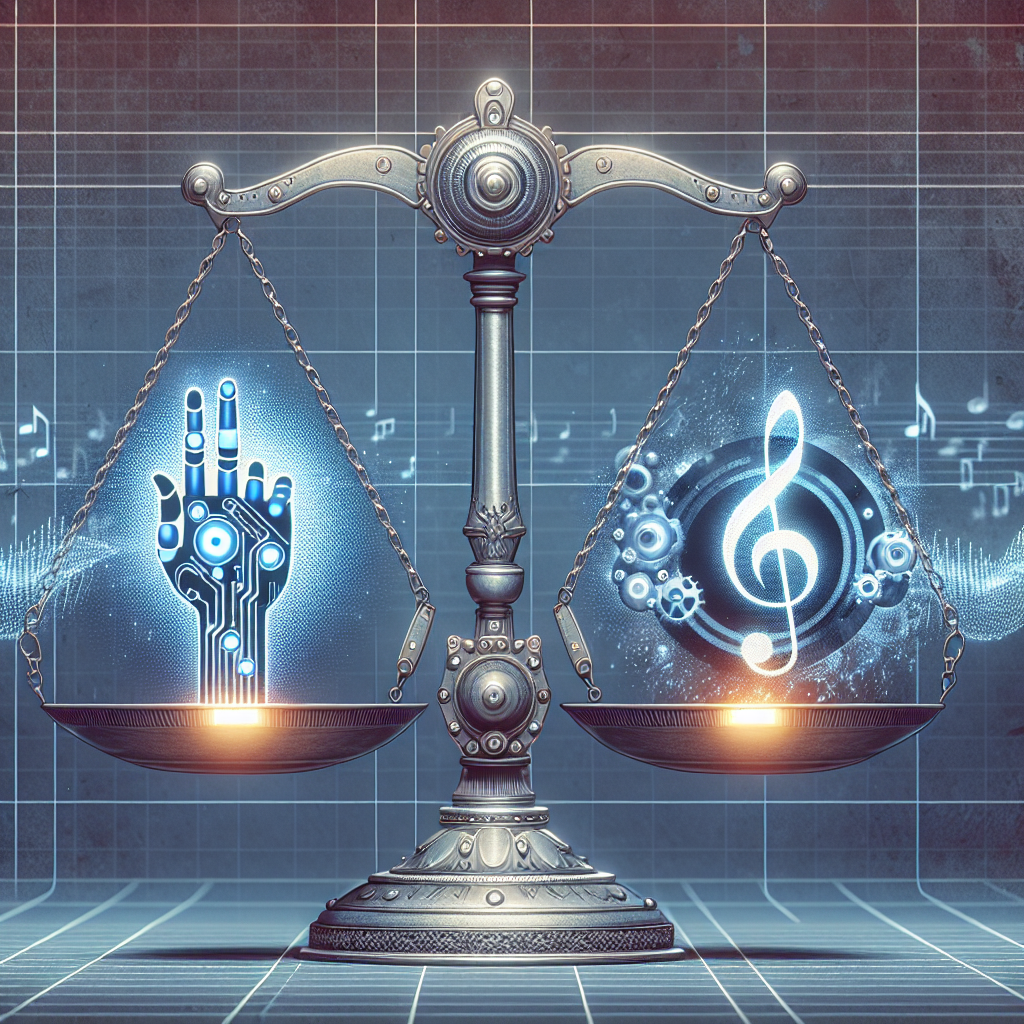
The Ethics of AI in Music Copyright Enforcement
The use of artificial intelligence (AI) in music copyright enforcement has become increasingly prevalent in recent years. With the rise of digital music platforms and the ease of sharing and distributing music online, copyright infringement has become a major concern for musicians, record labels, and other rights holders. AI technology has been employed to help identify and flag instances of copyright infringement, but the use of AI in this context raises important ethical questions that must be considered.
One of the main ethical concerns surrounding the use of AI in music copyright enforcement is the potential for false positives. AI algorithms are not infallible and can sometimes incorrectly identify content as infringing on copyright. This can result in legitimate content being taken down or blocked, leading to unfair consequences for creators and users. In some cases, AI systems may not be able to distinguish between original content and content that falls under fair use or other exceptions to copyright law.
Another ethical issue is the lack of transparency and accountability in AI systems used for music copyright enforcement. Many of these systems operate as black boxes, meaning that their decision-making processes are not fully understood or transparent to the public. This lack of transparency can make it difficult for creators and users to challenge or appeal decisions made by AI systems, leading to a lack of due process in copyright enforcement.
Furthermore, there is concern about the potential for bias in AI systems used for music copyright enforcement. These systems are trained on data sets that may be biased towards certain types of content or creators, leading to unequal treatment of different creators and genres of music. Bias in AI systems can also perpetuate existing inequalities in the music industry, such as disparities in representation and opportunities for marginalized groups.
Despite these ethical concerns, AI technology also offers potential benefits for music copyright enforcement. AI systems can help rights holders identify and track instances of copyright infringement more efficiently and effectively than manual methods. This can help protect the rights of creators and ensure that they are fairly compensated for their work. AI systems can also help detect and prevent copyright infringement on a large scale, which can be difficult to achieve through human labor alone.
In order to address the ethical concerns surrounding the use of AI in music copyright enforcement, it is important for rights holders, policymakers, and technology companies to work together to develop and implement ethical guidelines and best practices for the use of AI in this context. This may involve transparency measures, such as making the decision-making processes of AI systems more transparent to the public, as well as implementing mechanisms for challenging and appealing decisions made by AI systems. It may also involve ensuring that AI systems are trained on diverse and representative data sets to minimize bias and promote fairness in copyright enforcement.
Overall, the use of AI in music copyright enforcement raises important ethical questions that must be carefully considered and addressed. While AI technology offers potential benefits for protecting the rights of creators and preventing copyright infringement, it also presents risks and challenges that must be managed in order to ensure a fair and equitable music ecosystem for all stakeholders.
FAQs:
Q: How does AI technology help in music copyright enforcement?
A: AI technology can help rights holders identify and track instances of copyright infringement more efficiently and effectively than manual methods. AI systems can analyze large amounts of data to detect patterns of copyright infringement and flag potentially infringing content for further review.
Q: What are some ethical concerns surrounding the use of AI in music copyright enforcement?
A: Some ethical concerns include the potential for false positives, lack of transparency and accountability in AI systems, and the potential for bias in decision-making processes. These concerns raise questions about fairness, due process, and equal treatment for creators and users.
Q: How can ethical concerns surrounding the use of AI in music copyright enforcement be addressed?
A: Ethical concerns can be addressed through the development and implementation of ethical guidelines and best practices for the use of AI in this context. This may involve transparency measures, bias mitigation strategies, and mechanisms for challenging and appealing decisions made by AI systems.
Q: What are the potential benefits of using AI in music copyright enforcement?
A: AI technology can help rights holders identify and track instances of copyright infringement more efficiently and effectively than manual methods. AI systems can also help detect and prevent copyright infringement on a large scale, which can be difficult to achieve through human labor alone.