
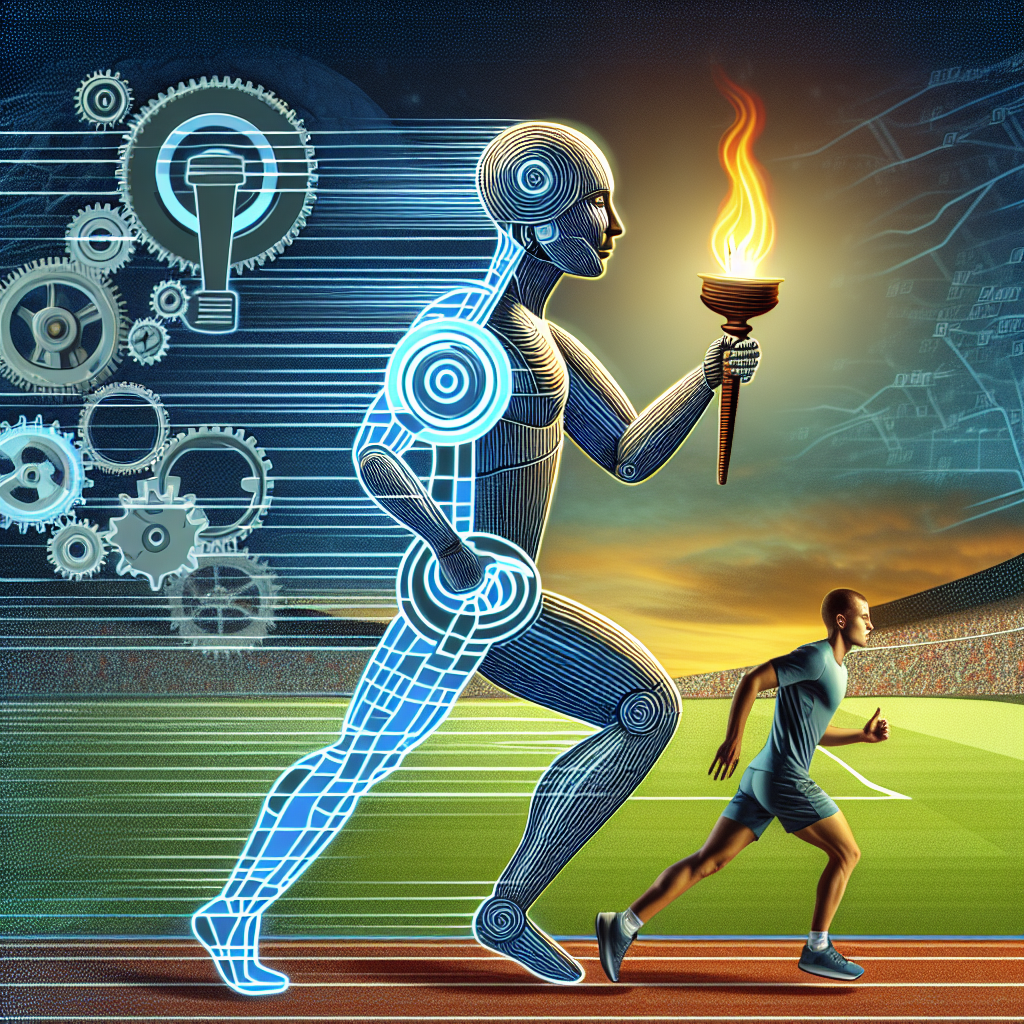
The Ethics of AI in Sports Performance Enhancement
Artificial intelligence (AI) has been making significant advancements in various fields, including sports performance enhancement. AI technology is being used to analyze and improve athletes’ performance, track their health and fitness levels, and even predict injuries. While AI has the potential to revolutionize the world of sports, it also raises ethical concerns that need to be addressed.
Ethical Considerations
One of the key ethical concerns surrounding the use of AI in sports performance enhancement is the issue of fairness. AI technology can give athletes an unfair advantage over their competitors, especially if some athletes have access to more advanced AI systems than others. This could potentially create an uneven playing field and undermine the spirit of fair competition.
Another ethical consideration is the potential for AI technology to invade athletes’ privacy. AI systems collect vast amounts of data on athletes, including their performance metrics, health information, and even personal details. This raises concerns about how this data is used, who has access to it, and whether athletes have consented to its collection and use.
There are also concerns about the impact of AI on the nature of sports itself. Some argue that the use of AI in sports performance enhancement could dehumanize the athlete, turning them into mere data points to be analyzed and optimized. This could detract from the physical and emotional aspects of sports that make them meaningful and enjoyable.
Furthermore, the use of AI in sports raises questions about accountability and responsibility. If an athlete suffers an injury or experiences negative consequences as a result of using AI technology, who is responsible for this outcome? Should the athlete be held accountable, or should the developers of the AI system bear some responsibility?
FAQs
1. How is AI used in sports performance enhancement?
AI is used in sports performance enhancement in a variety of ways, including analyzing athletes’ performance data, predicting injuries, and optimizing training programs. AI systems can collect and analyze vast amounts of data on athletes, including their physical and mental performance metrics, health information, and even personal details. This data can then be used to identify patterns, trends, and insights that can help athletes improve their performance and avoid injuries.
2. What are the benefits of using AI in sports performance enhancement?
The use of AI in sports performance enhancement offers several benefits, including improved performance, reduced risk of injuries, and more efficient training programs. AI systems can analyze athletes’ performance data in real-time, providing instant feedback and insights that can help athletes make adjustments and improvements. AI can also predict injuries before they occur, allowing athletes to take preventive measures to avoid them. Additionally, AI can help coaches and trainers optimize training programs based on individual athletes’ needs and abilities.
3. What are the ethical concerns surrounding the use of AI in sports?
Some of the key ethical concerns surrounding the use of AI in sports performance enhancement include fairness, privacy, dehumanization, and accountability. The use of AI technology could give athletes an unfair advantage over their competitors, creating an uneven playing field. AI systems collect vast amounts of data on athletes, raising concerns about privacy and consent. There are also worries that the use of AI could dehumanize athletes, turning them into mere data points to be optimized. Additionally, questions arise about accountability and responsibility if athletes suffer negative consequences as a result of using AI technology.
4. How can the ethical concerns surrounding AI in sports be addressed?
To address the ethical concerns surrounding the use of AI in sports performance enhancement, several measures can be taken. These include developing clear guidelines and regulations for the use of AI in sports, ensuring that athletes have consented to the collection and use of their data, and promoting transparency and accountability in the development and use of AI systems. It is also important to consider the impact of AI on the nature of sports and to prioritize the physical and emotional well-being of athletes in the use of AI technology.
In conclusion, the use of AI in sports performance enhancement has the potential to revolutionize the world of sports, but it also raises important ethical concerns that need to be addressed. By considering issues of fairness, privacy, dehumanization, and accountability, we can ensure that the use of AI technology in sports is done ethically and responsibly. Ultimately, the goal should be to harness the power of AI to enhance athletes’ performance and well-being while upholding the spirit of fair competition and sportsmanship.