
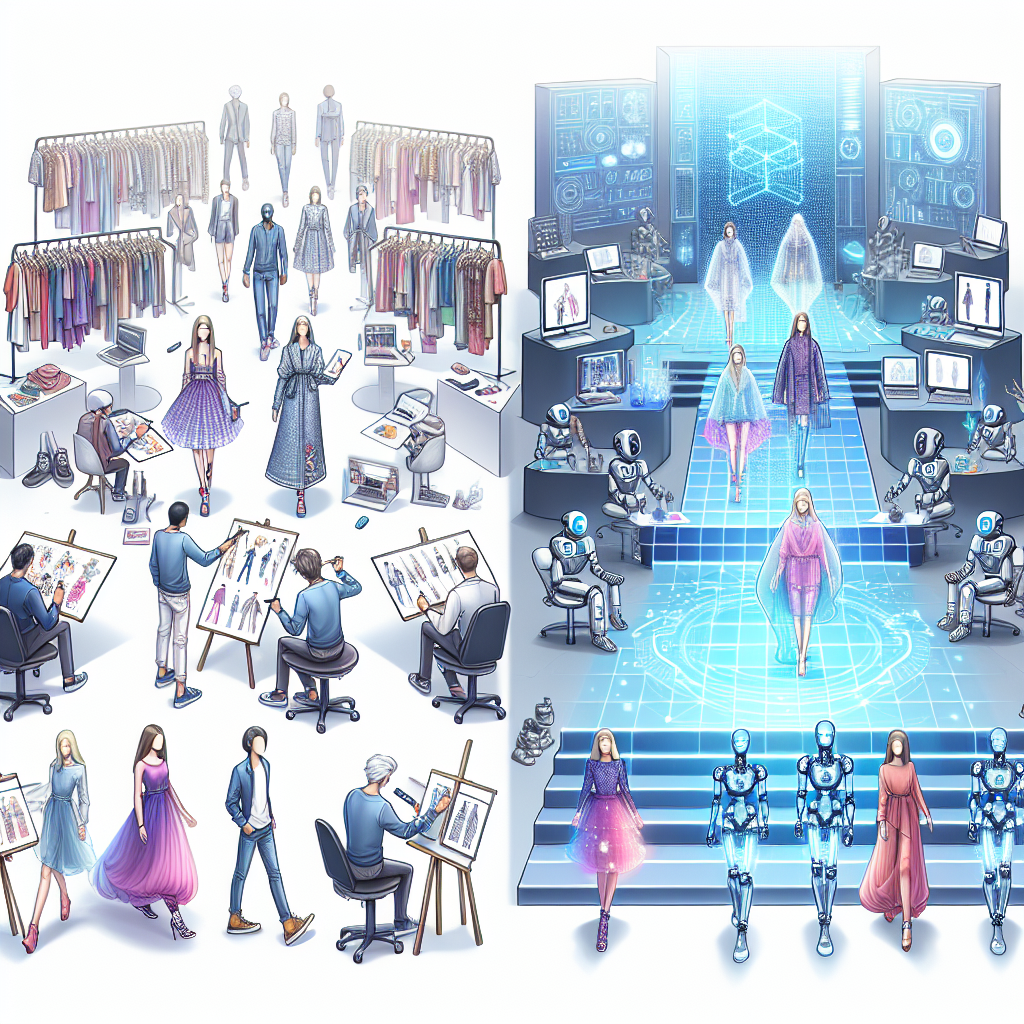
The Evolution of AI in Fashion: From Virtual Runways to Digital Showrooms
Artificial Intelligence (AI) has become an increasingly important tool in the fashion industry, revolutionizing the way designers create, market, and sell their products. From virtual runways to digital showrooms, AI is transforming every aspect of the fashion industry. In this article, we will explore the evolution of AI in fashion and how it is changing the way we experience and consume fashion.
The Rise of AI in Fashion
AI has been making waves in the fashion industry for several years now, with designers, retailers, and consumers all embracing the technology for its ability to streamline processes, enhance creativity, and improve the overall shopping experience. One of the earliest uses of AI in fashion was in the area of trend forecasting, where algorithms were used to analyze vast amounts of data to predict upcoming trends and help designers create collections that would resonate with consumers.
As AI technology advanced, its applications in fashion expanded to include everything from designing clothes and accessories to personalizing marketing campaigns and improving customer service. Today, AI is being used in every aspect of the fashion industry, from production and distribution to marketing and sales.
Virtual Runways and Digital Showrooms
One of the most exciting developments in AI in fashion is the rise of virtual runways and digital showrooms. With the ongoing pandemic forcing fashion shows to go virtual, many designers have turned to AI to create immersive digital experiences that showcase their collections in new and innovative ways.
Virtual runways allow designers to create 3D models of their collections and present them in a virtual environment, complete with music, lighting, and special effects. These virtual shows not only give designers more creative freedom but also allow them to reach a global audience without the need for physical events.
Digital showrooms, on the other hand, are transforming the way retailers showcase and sell their products. By using AI-powered virtual fitting rooms, customers can try on clothes and accessories virtually, seeing how they look and fit before making a purchase. This not only enhances the shopping experience but also reduces returns and improves customer satisfaction.
AI in Design and Production
AI is also playing a key role in the design and production of fashion products. Designers can now use AI algorithms to generate new designs based on customer preferences, trends, and historical data. This not only speeds up the design process but also helps designers create collections that are more likely to resonate with consumers.
In the production process, AI is being used to optimize supply chains, reduce waste, and improve sustainability. By analyzing data on consumer demand, weather patterns, and other factors, AI algorithms can help manufacturers produce the right amount of products at the right time, reducing overstock and minimizing environmental impact.
AI in Marketing and Sales
AI is also revolutionizing the way fashion brands market and sell their products. By using AI-powered analytics tools, brands can better understand their customers, personalize marketing campaigns, and target the right audience with the right message at the right time.
AI is also being used to improve customer service and enhance the shopping experience. Chatbots powered by AI can provide instant assistance to customers, helping them find the right products, answer their questions, and process their orders quickly and efficiently.
FAQs
Q: How is AI helping designers create new collections?
A: AI algorithms can analyze vast amounts of data on customer preferences, trends, and historical data to generate new designs that are more likely to resonate with consumers.
Q: How is AI improving the shopping experience for customers?
A: AI-powered virtual fitting rooms allow customers to try on clothes and accessories virtually, seeing how they look and fit before making a purchase, reducing returns and improving customer satisfaction.
Q: Is AI being used to optimize production processes?
A: Yes, AI is being used to optimize supply chains, reduce waste, and improve sustainability by analyzing data on consumer demand, weather patterns, and other factors to produce the right amount of products at the right time.
Q: How is AI being used in marketing and sales?
A: AI-powered analytics tools help brands better understand their customers, personalize marketing campaigns, and target the right audience with the right message at the right time, improving customer engagement and increasing sales.
In conclusion, the evolution of AI in fashion has had a profound impact on the way designers create, market, and sell their products. From virtual runways to digital showrooms, AI is transforming every aspect of the fashion industry, enhancing creativity, streamlining processes, and improving the overall shopping experience for consumers. As AI technology continues to advance, we can expect to see even more exciting developments in the world of fashion, making it an exciting time to be a part of this ever-evolving industry.