
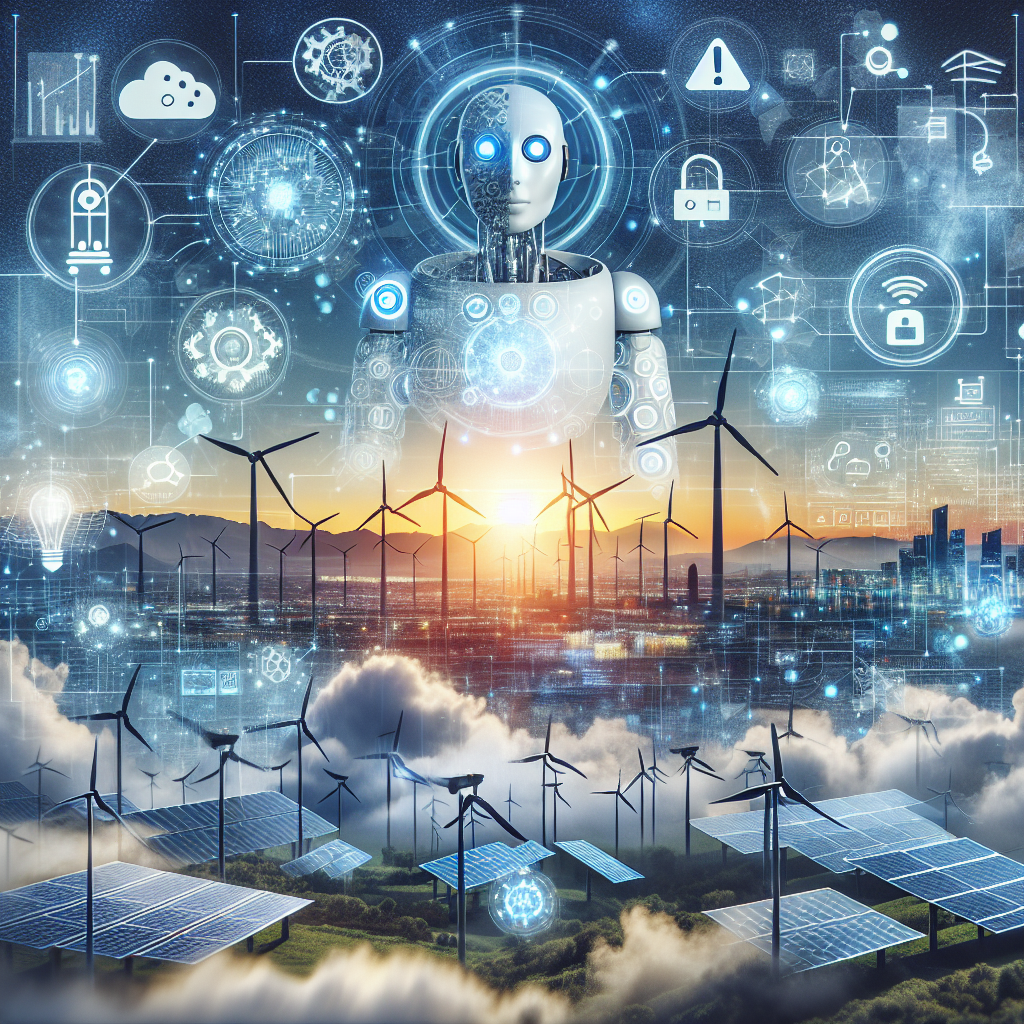
The Future of AI and Machine Learning in Energy
In recent years, artificial intelligence (AI) and machine learning have emerged as powerful tools for revolutionizing various industries, including the energy sector. These technologies have the potential to drive efficiency, optimize operations, and reduce costs in the production, distribution, and consumption of energy. As the demand for sustainable and clean energy sources continues to grow, AI and machine learning are poised to play a critical role in shaping the future of the energy industry.
AI and machine learning in energy can be applied in a variety of ways, from optimizing energy production and grid management to enhancing energy efficiency in buildings and homes. By leveraging advanced algorithms and data analytics, energy companies can make more informed decisions, predict demand patterns, and improve overall performance. Here are some key areas where AI and machine learning are making a significant impact in the energy sector:
1. Predictive Maintenance: One of the key benefits of AI and machine learning in energy is the ability to predict and prevent equipment failures before they occur. By analyzing historical data and identifying patterns, energy companies can proactively schedule maintenance tasks, reduce downtime, and extend the lifespan of critical assets.
2. Energy Management: AI-powered energy management systems can help optimize energy consumption in buildings, factories, and other facilities. These systems use real-time data to adjust lighting, heating, and cooling systems based on occupancy levels, weather conditions, and energy prices, leading to cost savings and reduced environmental impact.
3. Grid Optimization: AI and machine learning algorithms can help utilities better manage the distribution of energy on the grid, enabling more efficient use of renewable energy sources and reducing the risk of blackouts. By analyzing data from sensors and smart meters, energy companies can detect anomalies, predict load fluctuations, and optimize grid operations in real-time.
4. Energy Trading: AI is also being used to optimize energy trading and pricing strategies in deregulated markets. By analyzing market trends, weather patterns, and consumer behavior, energy traders can make more accurate predictions and maximize profits. Machine learning algorithms can also automate trading decisions and reduce human error.
5. Renewable Energy Integration: As the transition to renewable energy sources accelerates, AI and machine learning are playing a crucial role in integrating solar, wind, and other renewable technologies into the grid. These technologies can help predict renewable energy generation, manage energy storage systems, and balance supply and demand in real-time.
6. Demand Response: AI-powered demand response programs enable energy companies to incentivize consumers to reduce their energy usage during peak periods. By analyzing historical data and consumer behavior, utilities can forecast demand spikes, send price signals to customers, and reduce the need for expensive peaker plants.
7. Energy Efficiency: AI and machine learning are also being used to optimize energy efficiency in buildings and homes. Smart thermostats, lighting controls, and appliances can learn user preferences, adjust settings automatically, and reduce energy waste. These technologies can help consumers save money on their energy bills and reduce their carbon footprint.
The Future of AI and Machine Learning in Energy
The future of AI and machine learning in energy is bright, with continued advancements in technology driving innovation and efficiency across the industry. As more data becomes available and computing power increases, energy companies will be able to develop more sophisticated algorithms and predictive models to optimize their operations and reduce their environmental impact.
Some key trends and developments to watch for in the future of AI and machine learning in energy include:
1. Edge Computing: As the Internet of Things (IoT) continues to grow, edge computing will become increasingly important for processing data in real-time. Energy companies will rely on edge devices to collect and analyze data at the source, enabling faster decision-making and more efficient operations.
2. Autonomous Systems: AI-powered autonomous systems will play a key role in the future of energy, enabling self-driving vehicles, drones, and robots to perform maintenance tasks, inspect infrastructure, and monitor energy production. These systems will improve safety, reduce costs, and increase efficiency in the energy industry.
3. Quantum Computing: Quantum computing has the potential to revolutionize the energy sector by enabling faster calculations and more complex simulations. Energy companies will be able to solve optimization problems, predict energy demand, and design new materials with greater precision using quantum algorithms.
4. Explainable AI: As AI systems become more complex and autonomous, the need for explainable AI will become increasingly important. Energy companies will need to understand how AI algorithms make decisions, interpret results, and ensure transparency and accountability in their operations.
5. Collaborative AI: AI systems will increasingly work together in collaborative environments, sharing data, insights, and predictions to optimize energy production and consumption. Energy companies will leverage federated learning, blockchain technology, and other collaborative tools to improve their decision-making processes.
6. Regulatory Challenges: As AI and machine learning become more pervasive in the energy sector, regulators will need to address privacy, security, and ethical concerns. Energy companies will need to comply with regulations, protect consumer data, and ensure the responsible use of AI technologies in their operations.
Frequently Asked Questions (FAQs)
Q: How can AI and machine learning help reduce energy costs for consumers?
A: AI and machine learning can help reduce energy costs for consumers by optimizing energy consumption, predicting demand patterns, and identifying opportunities for energy efficiency. Smart thermostats, lighting controls, and appliances can adjust settings automatically, while demand response programs can incentivize consumers to reduce their energy usage during peak periods.
Q: How can AI and machine learning improve renewable energy integration?
A: AI and machine learning can improve renewable energy integration by predicting renewable energy generation, managing energy storage systems, and balancing supply and demand in real-time. These technologies can help utilities optimize their grid operations, reduce the reliance on fossil fuels, and accelerate the transition to a clean energy future.
Q: What are the challenges of implementing AI and machine learning in the energy sector?
A: Some of the challenges of implementing AI and machine learning in the energy sector include data quality and availability, integration with existing systems, regulatory compliance, and cybersecurity risks. Energy companies will need to invest in data infrastructure, talent development, and collaboration with stakeholders to overcome these challenges and unlock the full potential of AI technologies.
Q: How can consumers benefit from AI and machine learning in the energy sector?
A: Consumers can benefit from AI and machine learning in the energy sector by saving money on their energy bills, reducing their carbon footprint, and gaining more control over their energy consumption. Smart home devices, energy management systems, and demand response programs can help consumers optimize their energy usage, improve comfort, and contribute to a more sustainable future.
Q: What are some examples of successful AI and machine learning applications in the energy sector?
A: Some examples of successful AI and machine learning applications in the energy sector include predictive maintenance for equipment, energy management systems for buildings, grid optimization for utilities, energy trading for markets, renewable energy integration for solar and wind farms, demand response programs for consumers, and energy efficiency solutions for homes and businesses.
In conclusion, the future of AI and machine learning in energy is promising, with continued advancements in technology driving innovation and efficiency across the industry. Energy companies that embrace AI technologies will be able to optimize their operations, reduce costs, and accelerate the transition to a clean and sustainable energy future. By leveraging data analytics, predictive models, and autonomous systems, the energy sector can overcome challenges, seize opportunities, and lead the way towards a more efficient and resilient energy system.