
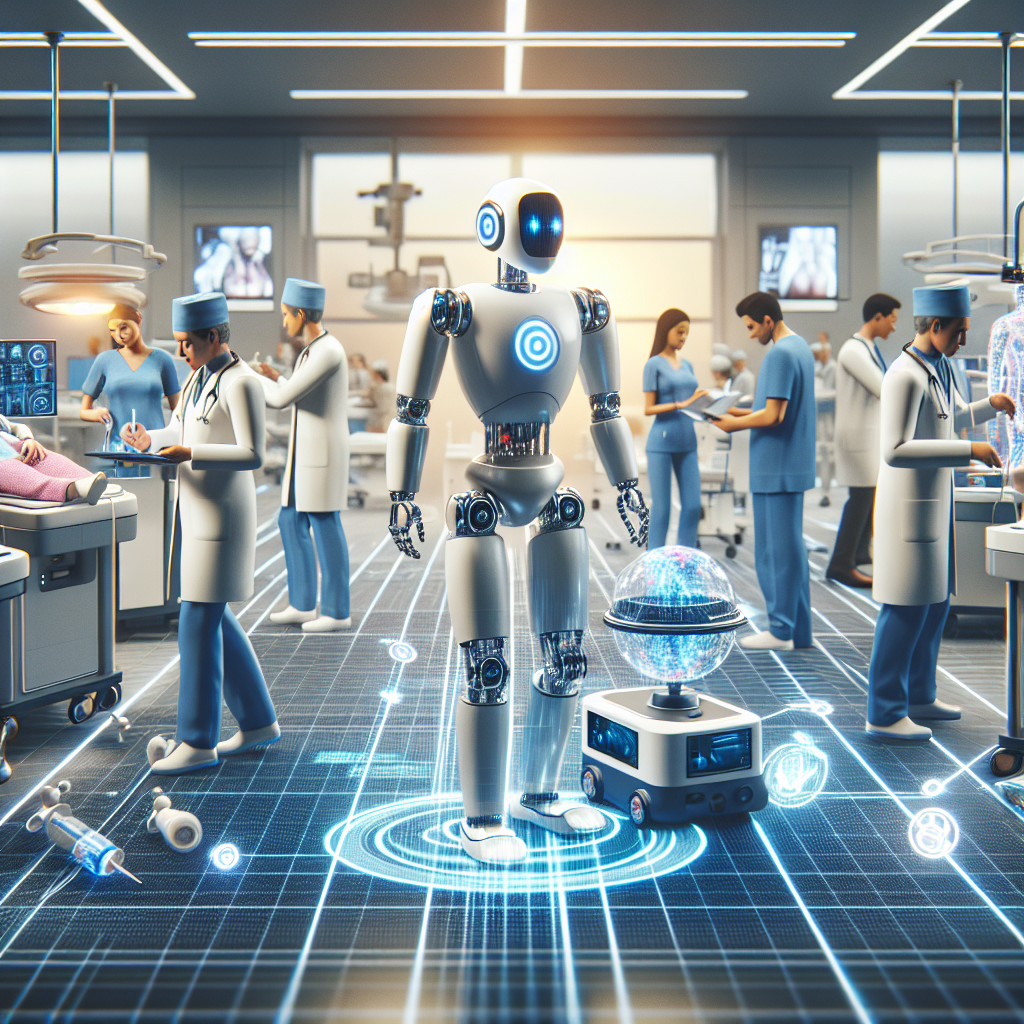
The Future of AI and Machine Learning in Healthcare
In recent years, artificial intelligence (AI) and machine learning have begun to revolutionize the healthcare industry. From improving patient care to streamlining administrative processes, these technologies have the potential to transform the way healthcare is delivered. In this article, we will explore the current state of AI and machine learning in healthcare, as well as the future possibilities and potential challenges that lie ahead.
Current Applications of AI and Machine Learning in Healthcare
AI and machine learning are already being used in a variety of ways in the healthcare industry. One of the most common applications is in medical imaging, where these technologies can help radiologists detect and diagnose diseases more accurately and efficiently. For example, AI-powered algorithms can analyze medical images such as X-rays, MRIs, and CT scans to identify abnormalities and flag potential areas of concern for further review by a human radiologist.
Another area where AI and machine learning are making an impact is in personalized medicine. By analyzing large amounts of patient data, including genetic information, medical history, and lifestyle factors, these technologies can help healthcare providers tailor treatment plans to individual patients. This can lead to more effective and targeted therapies, as well as better outcomes for patients.
AI and machine learning are also being used to improve healthcare operations and administrative processes. For example, these technologies can help hospitals and healthcare systems optimize scheduling, reduce wait times, and improve resource allocation. By analyzing data on patient flow, staffing levels, and other factors, AI-powered systems can identify inefficiencies and suggest ways to streamline operations.
Future Possibilities for AI and Machine Learning in Healthcare
Looking ahead, the future of AI and machine learning in healthcare holds even greater promise. One area that is likely to see significant growth is in the development of AI-powered diagnostic tools. As these technologies become more sophisticated and accurate, they have the potential to revolutionize the way diseases are detected and diagnosed. For example, AI algorithms could be used to analyze a patient’s symptoms, medical history, and other data to generate a list of possible diagnoses, along with recommended tests and treatments.
Another exciting possibility is the use of AI and machine learning in drug discovery and development. By analyzing large datasets of chemical compounds, biological targets, and clinical trial data, these technologies can help researchers identify promising drug candidates more quickly and efficiently. This could lead to the development of new treatments for a wide range of diseases, including rare and complex conditions that are currently difficult to treat.
AI and machine learning also have the potential to improve patient outcomes by enabling more personalized and proactive healthcare. For example, wearable devices and mobile apps equipped with AI algorithms could monitor patients’ health in real-time, alerting them to potential issues and prompting them to seek medical attention when necessary. This could help prevent complications, reduce hospitalizations, and improve overall health and well-being.
Challenges and Considerations for the Future of AI and Machine Learning in Healthcare
While the future of AI and machine learning in healthcare is bright, there are also challenges and considerations that need to be addressed. One of the main concerns is the need to ensure the privacy and security of patient data. As these technologies rely on large amounts of sensitive information, it is essential to implement robust data protection measures to prevent unauthorized access and misuse.
Another challenge is the need for healthcare providers to adopt and integrate AI and machine learning into their existing workflows. This may require additional training and resources, as well as changes to organizational structures and processes. In addition, there may be resistance from healthcare professionals who are skeptical of these technologies or concerned about the impact on their jobs.
FAQs
Q: How accurate are AI-powered diagnostic tools compared to human doctors?
A: While AI-powered diagnostic tools have shown promising results in studies, they are not yet as accurate as human doctors in all cases. However, these technologies have the potential to complement and enhance the skills of healthcare providers, leading to more accurate and efficient diagnoses.
Q: Will AI and machine learning replace human healthcare professionals?
A: While AI and machine learning have the potential to automate certain tasks and processes in healthcare, they are unlikely to replace human healthcare professionals entirely. These technologies are more likely to augment and support the work of doctors, nurses, and other healthcare providers, leading to better outcomes for patients.
Q: How can patients trust that their data is being used responsibly by AI and machine learning systems?
A: Healthcare organizations must adhere to strict data privacy and security regulations to ensure that patient data is used responsibly by AI and machine learning systems. Patients should also be informed about how their data is being used and have the option to opt out if they have concerns about privacy.
Q: What are some potential ethical considerations related to the use of AI and machine learning in healthcare?
A: Ethical considerations related to the use of AI and machine learning in healthcare include issues such as bias in algorithms, patient consent and transparency, and the potential for job displacement among healthcare professionals. It is important for healthcare organizations to address these concerns and ensure that these technologies are used in a responsible and ethical manner.
In conclusion, the future of AI and machine learning in healthcare holds great potential for improving patient care, driving innovation, and transforming the way healthcare is delivered. While there are challenges and considerations that need to be addressed, the benefits of these technologies are clear. By harnessing the power of AI and machine learning, we can create a more efficient, personalized, and effective healthcare system for the future.