
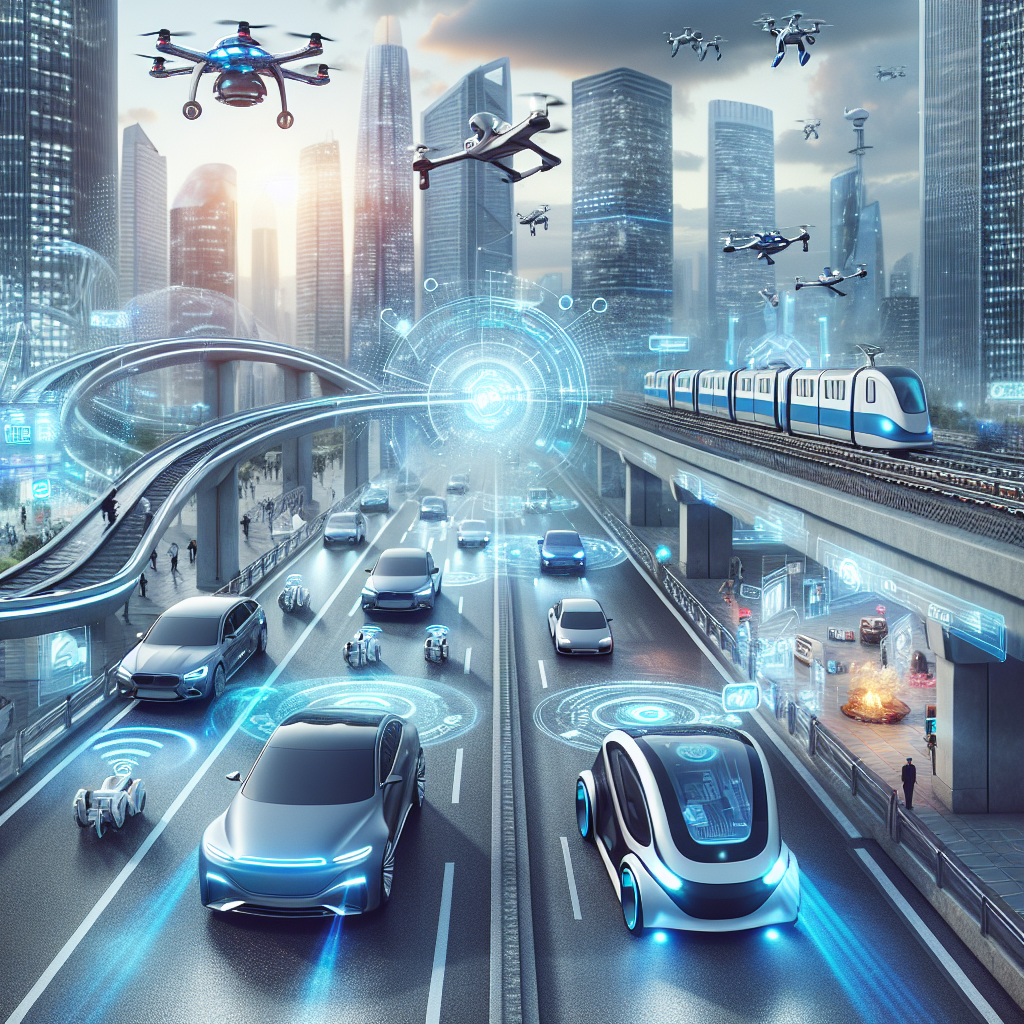
The Future of AI Automation in Transportation
Introduction
Artificial intelligence (AI) has already revolutionized many industries, and transportation is no exception. From self-driving cars to smart traffic management systems, AI automation is transforming the way we move people and goods from one place to another. In this article, we will explore the current state of AI automation in transportation and discuss the potential future developments in this field.
Current State of AI Automation in Transportation
AI automation in transportation is already making significant strides in various areas. One of the most well-known applications of AI in transportation is self-driving cars. Companies like Tesla, Waymo, and Uber have been developing autonomous vehicle technology that can navigate roads, make decisions, and react to changing conditions without human intervention.
AI is also being used to optimize traffic flow and reduce congestion in cities. Smart traffic management systems can analyze data from sensors, cameras, and other sources to predict traffic patterns, adjust signal timings, and reroute vehicles to minimize delays. This not only improves the efficiency of transportation systems but also reduces fuel consumption and emissions.
In the logistics industry, AI automation is streamlining supply chain operations and improving delivery times. Autonomous drones and robots are being used to transport goods in warehouses and distribution centers, while AI-powered software is optimizing routes, scheduling deliveries, and predicting demand.
Future Developments in AI Automation in Transportation
The future of AI automation in transportation holds even more exciting possibilities. Here are some of the potential developments that we can expect to see in the coming years:
1. Enhanced Safety Features: AI-powered systems will continue to improve safety on the roads by detecting potential hazards, predicting accidents, and alerting drivers in real-time. Self-driving cars will become even more reliable and capable of navigating complex environments, reducing the risk of accidents caused by human error.
2. Seamless Integration of Modes of Transport: AI automation will enable seamless integration of different modes of transport, such as cars, buses, trains, and bicycles. This will make it easier for people to switch between modes of transport and plan their journeys more efficiently, reducing congestion and improving the overall transportation experience.
3. Personalized Travel Experiences: AI will enable transportation providers to offer personalized travel experiences tailored to individual preferences and needs. From customized route recommendations to on-demand transportation services, AI automation will make it easier for people to get around and access transportation options that meet their specific requirements.
4. Environmental Sustainability: AI automation will play a crucial role in promoting environmental sustainability in transportation. By optimizing routes, reducing fuel consumption, and minimizing emissions, AI-powered systems will help reduce the carbon footprint of transportation and make cities cleaner and more livable.
5. Autonomous Freight Transportation: AI automation will revolutionize the logistics industry by enabling autonomous freight transportation. Self-driving trucks and drones will transport goods efficiently and cost-effectively, reducing delivery times and increasing supply chain efficiency.
Frequently Asked Questions
1. Will AI automation in transportation replace human drivers?
While AI automation has the potential to revolutionize transportation, it is unlikely to completely replace human drivers in the near future. Self-driving cars still face technical, regulatory, and ethical challenges that need to be addressed before they can be widely adopted. However, AI automation will continue to augment human drivers by enhancing safety, efficiency, and convenience on the roads.
2. How will AI automation impact jobs in the transportation industry?
AI automation is expected to disrupt traditional roles in the transportation industry, such as truck drivers, taxi drivers, and delivery drivers. While some jobs may be at risk of automation, new opportunities will also emerge in fields like data analysis, software development, and AI engineering. It is crucial for workers in the transportation industry to upskill and adapt to the changing landscape of AI automation.
3. What are the ethical implications of AI automation in transportation?
AI automation raises important ethical considerations, such as privacy, liability, and safety. For example, who is responsible in the event of an accident involving a self-driving car? How can we ensure that AI systems make fair and unbiased decisions? These are complex questions that require careful consideration and regulation to ensure that AI automation in transportation benefits society as a whole.
4. How will AI automation improve sustainability in transportation?
AI automation has the potential to significantly reduce the environmental impact of transportation by optimizing routes, reducing fuel consumption, and minimizing emissions. By promoting the use of electric vehicles, encouraging carpooling, and integrating different modes of transport, AI-powered systems will help create more sustainable and eco-friendly transportation networks.
5. What are the challenges of implementing AI automation in transportation?
There are several challenges that need to be addressed in order to fully realize the potential of AI automation in transportation. These include technical limitations, regulatory barriers, public acceptance, cybersecurity risks, and ethical concerns. Overcoming these challenges will require collaboration between governments, industry stakeholders, and the public to ensure that AI automation in transportation is safe, reliable, and beneficial for all.
Conclusion
AI automation is set to revolutionize the transportation industry in the coming years, with self-driving cars, smart traffic management systems, and autonomous freight transportation leading the way. By harnessing the power of AI, we can create more efficient, sustainable, and personalized transportation networks that benefit society as a whole. While there are challenges to overcome, the future of AI automation in transportation looks promising, and we can expect to see exciting developments in the years to come.