
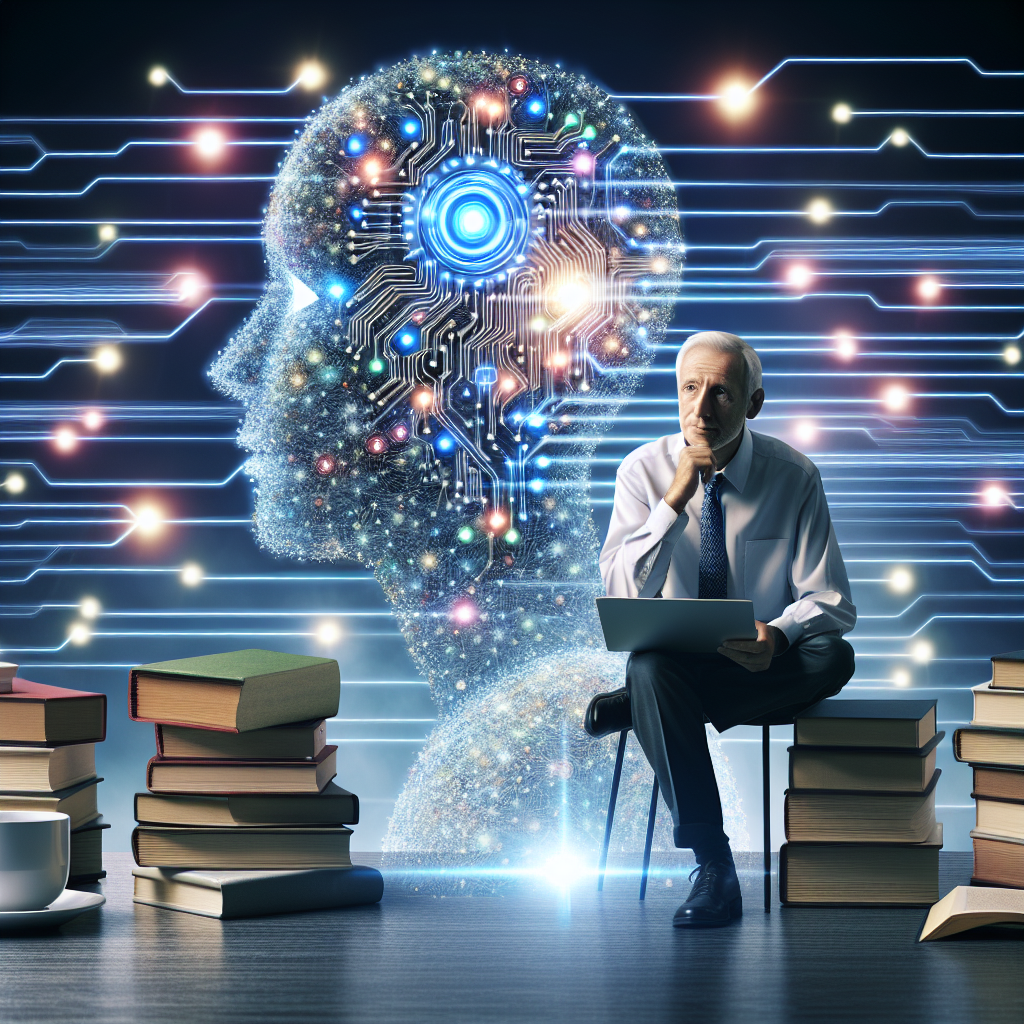
Artificial Intelligence (AI) is rapidly transforming the landscape of education, including adult education. With the advancements in technology, AI has the potential to revolutionize the way adults learn and acquire new skills. From personalized learning experiences to more efficient assessment methods, AI is reshaping the future of adult education in ways that were once thought impossible.
One of the key advantages of AI in adult education is its ability to provide personalized learning experiences. AI algorithms can analyze a student’s learning style, preferences, and performance data to create customized learning paths that cater to their individual needs. This ensures that adults receive the most relevant and effective learning resources, leading to improved learning outcomes. Additionally, AI can provide real-time feedback and support to students, helping them stay on track and address any areas of weakness.
Another benefit of AI in adult education is its potential to improve the efficiency of assessment methods. Traditional assessments can be time-consuming and subjective, leading to inconsistencies in grading and feedback. AI-powered assessment tools can streamline the grading process, providing instant feedback to students and instructors. These tools can also analyze large amounts of data to identify trends and patterns in student performance, helping instructors make informed decisions about their teaching strategies.
AI can also enhance the accessibility of adult education by providing learning opportunities to a wider audience. With the rise of online learning platforms and virtual classrooms, adults can access educational resources from anywhere in the world. AI-powered chatbots and virtual assistants can provide support to students 24/7, ensuring that they have the help they need whenever they need it. This flexibility and convenience make adult education more accessible to individuals with busy schedules or limited access to traditional educational resources.
Furthermore, AI can help adult learners develop critical skills for the future workforce. As automation and digital technologies continue to transform industries, adults need to acquire new skills to stay competitive in the job market. AI-powered tools can help identify skills gaps and recommend relevant courses or training programs to help adults upskill or reskill for new opportunities. This personalized approach to learning ensures that adults are equipped with the skills they need to succeed in a rapidly changing economy.
Despite the many benefits of AI in adult education, there are also challenges and concerns that need to be addressed. One of the main concerns is the potential for bias in AI algorithms. If not properly designed and tested, AI algorithms can perpetuate existing biases and inequalities in education. It is essential for developers and educators to ensure that AI systems are fair, transparent, and accountable to prevent discrimination and ensure equal opportunities for all learners.
Another challenge is the need for ongoing training and support for educators to effectively integrate AI into their teaching practices. While AI can enhance the learning experience, it is not a replacement for human teachers. Educators need to be trained on how to use AI tools effectively, interpret data insights, and adapt their teaching methods to meet the needs of diverse adult learners. Collaboration between AI developers, educators, and policymakers is essential to ensure that AI is used responsibly and ethically in adult education.
As we look towards the future of AI in adult education, several key trends are emerging that will shape the way adults learn and acquire new skills. One trend is the rise of adaptive learning technologies that use AI to personalize learning experiences based on individual needs and preferences. These technologies can help adults learn at their own pace, focus on areas of weakness, and receive immediate feedback to improve their performance.
Another trend is the integration of AI-powered virtual reality (VR) and augmented reality (AR) technologies in adult education. These immersive technologies can create engaging and interactive learning experiences that simulate real-world scenarios and environments. Adults can practice new skills, explore complex concepts, and collaborate with peers in virtual settings, enhancing their learning outcomes and retention.
Additionally, AI is driving the development of lifelong learning platforms that offer continuous education and training opportunities for adults throughout their careers. These platforms can recommend personalized learning paths, connect adults with mentors and experts, and track their progress over time. By embracing lifelong learning, adults can stay relevant in the workforce, adapt to changing industry trends, and pursue new opportunities for personal and professional growth.
In conclusion, the future of AI in adult education is bright and full of possibilities. From personalized learning experiences to adaptive assessment methods, AI is reshaping the way adults learn and acquire new skills. By leveraging the power of AI technologies, educators can provide more accessible, efficient, and effective learning opportunities for adults around the world. As we continue to innovate and collaborate in the field of AI in education, the possibilities for adult learners are endless.
FAQs:
Q: How can AI enhance the accessibility of adult education?
A: AI can enhance the accessibility of adult education by providing personalized learning experiences, real-time feedback, and support to students. AI-powered chatbots and virtual assistants can provide assistance 24/7, making learning resources more accessible to adults with busy schedules or limited access to traditional educational resources.
Q: What are the challenges of integrating AI into adult education?
A: Some of the challenges of integrating AI into adult education include the potential for bias in AI algorithms, the need for ongoing training and support for educators, and ensuring that AI systems are fair, transparent, and accountable. Collaboration between AI developers, educators, and policymakers is essential to address these challenges and ensure that AI is used responsibly and ethically in adult education.
Q: What are the key trends shaping the future of AI in adult education?
A: Key trends shaping the future of AI in adult education include adaptive learning technologies, AI-powered virtual reality and augmented reality technologies, and lifelong learning platforms. These trends are driving innovation in adult education, providing personalized learning experiences, immersive learning opportunities, and continuous education and training opportunities for adults throughout their careers.