
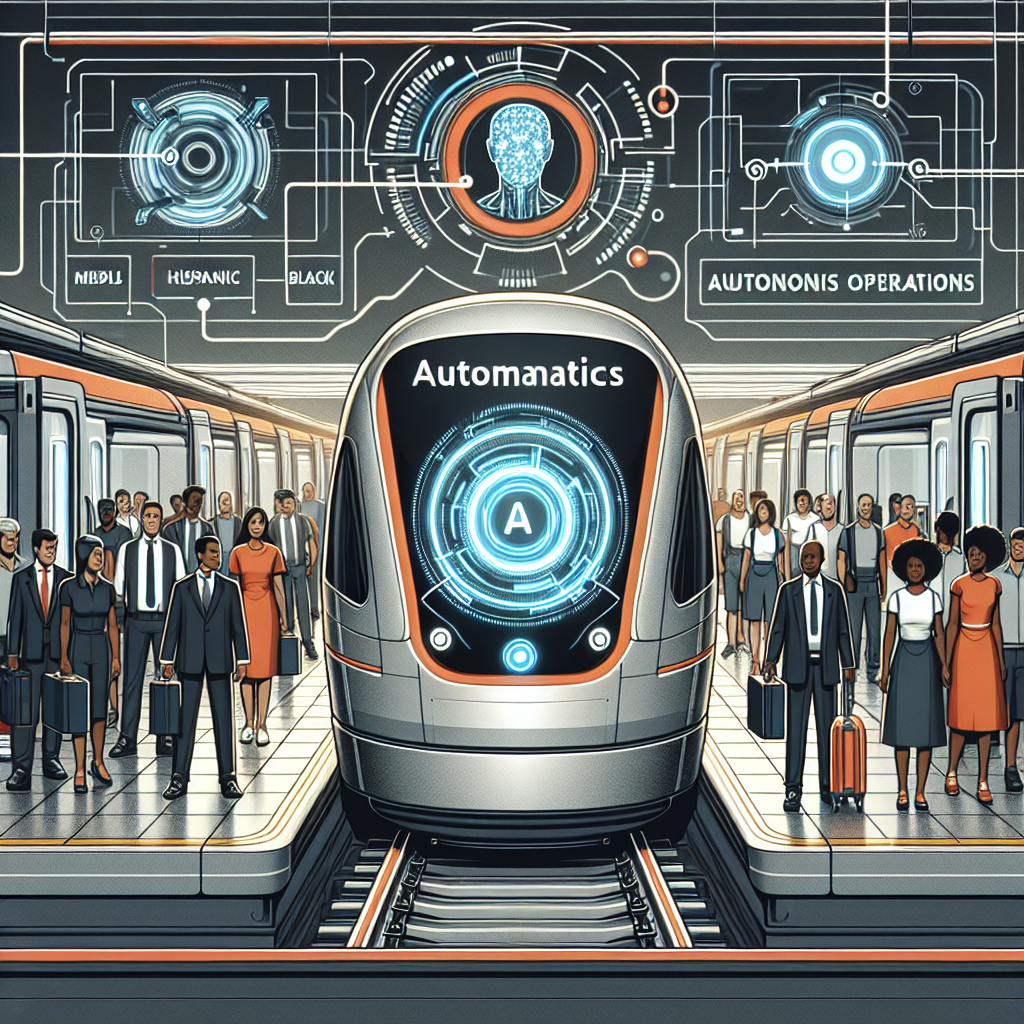
The Future of AI in Autonomous Trains
Autonomous trains have been a topic of interest for many years, with the potential to revolutionize the way we travel. With the advancements in artificial intelligence (AI) technology, autonomous trains are becoming more of a reality than ever before. AI has the ability to improve safety, efficiency, and reliability in the operation of trains, making them a more attractive option for transportation in the future.
AI technology has already been implemented in various industries, such as healthcare, finance, and manufacturing, to improve processes and make operations more efficient. The same can be said for the transportation industry, where AI has the potential to transform the way trains are operated and maintained.
One of the key benefits of using AI in autonomous trains is the ability to improve safety. AI can analyze data in real-time to detect potential hazards on the tracks, such as obstructions or malfunctions, and take appropriate action to avoid accidents. This can help to reduce the number of accidents and improve the overall safety of train travel.
AI can also improve efficiency in the operation of trains by optimizing routes and schedules based on real-time data. By analyzing factors such as weather conditions, traffic congestion, and passenger demand, AI can help to ensure that trains are running on time and are operating at maximum capacity. This can help to reduce delays and improve the overall efficiency of train services.
Another benefit of using AI in autonomous trains is the ability to reduce operating costs. By automating certain tasks, such as monitoring track conditions or scheduling maintenance, AI can help to streamline operations and reduce the need for human intervention. This can lead to cost savings for train operators and make train travel more affordable for passengers.
In addition to improving safety, efficiency, and cost-effectiveness, AI can also help to improve the overall passenger experience. By analyzing data on passenger preferences and behaviors, AI can personalize services and amenities to better meet the needs of passengers. This can help to attract more riders to train travel and make it a more enjoyable experience for all.
Overall, the future of AI in autonomous trains looks promising, with the potential to revolutionize the way we travel. By leveraging AI technology, train operators can improve safety, efficiency, and reliability, while also reducing operating costs and improving the passenger experience. As AI continues to advance, we can expect to see more autonomous trains on the tracks in the coming years, changing the way we think about train travel.
FAQs
Q: How does AI improve safety in autonomous trains?
A: AI can analyze real-time data to detect potential hazards on the tracks, such as obstructions or malfunctions, and take appropriate action to avoid accidents. This can help to reduce the number of accidents and improve the overall safety of train travel.
Q: How does AI improve efficiency in the operation of trains?
A: AI can optimize routes and schedules based on real-time data, such as weather conditions, traffic congestion, and passenger demand. This can help to ensure that trains are running on time and operating at maximum capacity, reducing delays and improving efficiency.
Q: How does AI reduce operating costs in autonomous trains?
A: By automating certain tasks, such as monitoring track conditions or scheduling maintenance, AI can streamline operations and reduce the need for human intervention. This can lead to cost savings for train operators and make train travel more affordable for passengers.
Q: How does AI improve the passenger experience in autonomous trains?
A: By analyzing data on passenger preferences and behaviors, AI can personalize services and amenities to better meet the needs of passengers. This can help to attract more riders to train travel and make it a more enjoyable experience for all.