
The Future of AI in the Food Industry
Artificial intelligence (AI) has been making waves in various industries, including healthcare, finance, and transportation. However, one industry that is starting to see the potential of AI is the food industry. From improving efficiency in food production to enhancing the customer experience, AI is poised to revolutionize how food is grown, processed, and consumed. In this article, we will explore the future of AI in the food industry and its potential impact on various aspects of the industry.
1. Precision Agriculture
One of the key areas where AI is making a significant impact in the food industry is in precision agriculture. Precision agriculture uses data-driven technology to optimize farming practices, increase crop yields, and reduce waste. AI algorithms can analyze data collected from sensors, drones, and satellites to provide farmers with real-time information on soil health, crop growth, and weather conditions. This allows farmers to make informed decisions on when to plant, irrigate, and harvest crops, leading to higher yields and more sustainable farming practices.
AI-powered farming equipment, such as autonomous tractors and drones, can also help farmers improve efficiency and reduce labor costs. These machines can plant seeds, apply fertilizers, and monitor crops without human intervention, freeing up farmers to focus on other tasks. In addition, AI can help farmers detect pests and diseases early on, allowing them to take proactive measures to protect their crops and minimize losses.
2. Food Safety and Quality Control
AI is also playing a crucial role in ensuring food safety and quality control in the food industry. With the increasing complexity of global food supply chains, it has become more challenging for food manufacturers to track and trace products from farm to fork. AI-powered systems can help food companies monitor and analyze data from various sources, such as sensors, RFID tags, and blockchain technology, to ensure that food products meet safety and quality standards.
AI algorithms can detect contaminants, pathogens, and allergens in food products, helping to prevent foodborne illnesses and recalls. These systems can also analyze images of food products to identify defects, such as bruising or discoloration, before they are packaged and shipped to consumers. By leveraging AI technology, food companies can improve their quality control processes, reduce waste, and build trust with consumers.
3. Personalized Nutrition
With the rise of personalized nutrition and dietary preferences, AI is playing a key role in helping consumers make informed food choices. AI-powered apps and platforms can analyze individuals’ health data, dietary preferences, and genetic information to provide personalized nutrition recommendations. These recommendations can help consumers make healthier food choices, manage chronic conditions, and achieve their fitness goals.
AI can also help food companies develop personalized food products tailored to individuals’ needs and preferences. By analyzing consumer data and feedback, food companies can create customized food formulations, flavors, and packaging options to meet the diverse needs of their customers. This level of personalization can help food companies differentiate their products in a competitive market and build brand loyalty among consumers.
4. Smart Kitchens and Restaurants
AI is also transforming the way food is prepared, cooked, and served in kitchens and restaurants. Smart kitchen appliances, such as AI-powered ovens, refrigerators, and cooktops, can learn users’ cooking preferences and habits to recommend recipes, adjust cooking settings, and optimize energy usage. These appliances can also connect to the internet to order groceries, track inventory, and receive software updates, making cooking at home more convenient and efficient.
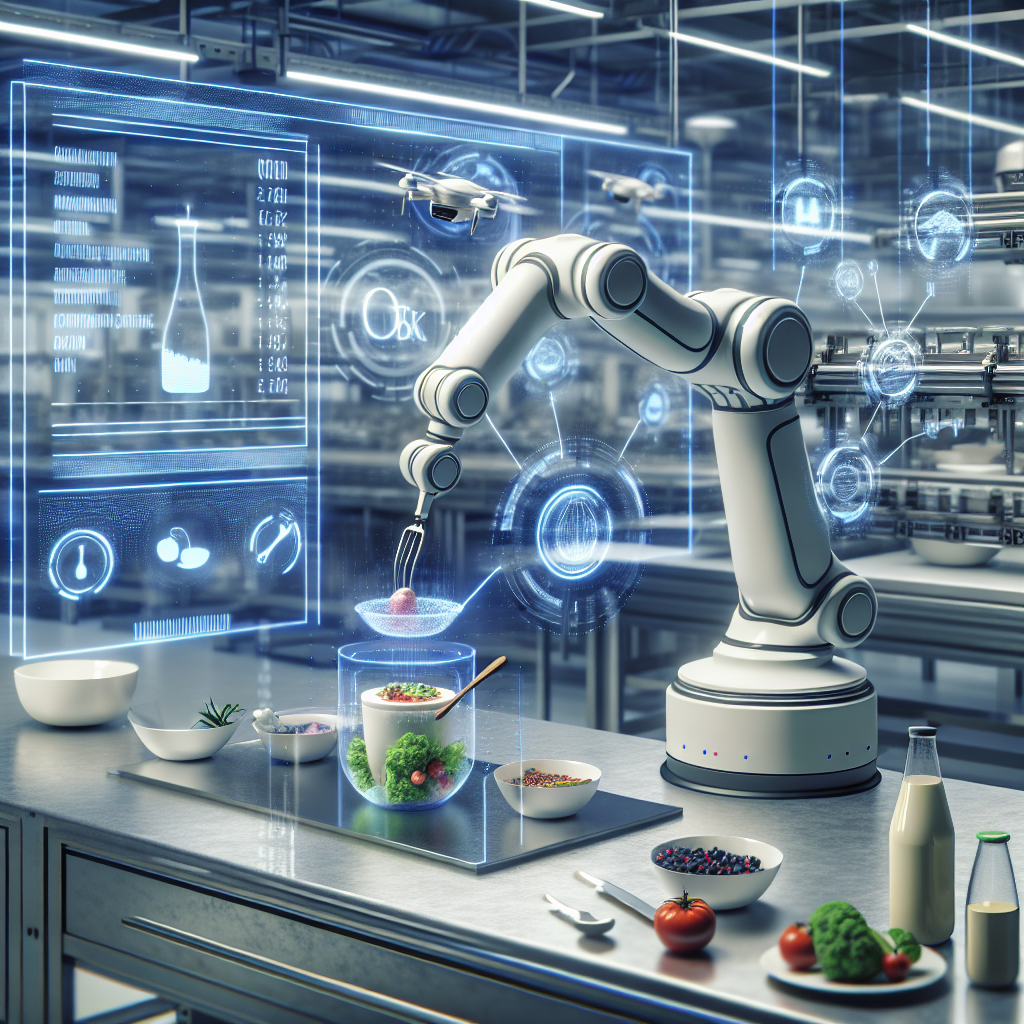
In restaurants, AI-powered robots and chatbots are helping to automate food preparation, order taking, and customer service. These robots can assist chefs in preparing ingredients, cooking dishes, and plating food, reducing wait times and improving consistency in food quality. Chatbots can also interact with customers to take orders, answer questions, and provide recommendations, enhancing the dining experience and increasing operational efficiency in restaurants.
5. Supply Chain Management
AI is revolutionizing supply chain management in the food industry by optimizing logistics, inventory management, and distribution processes. AI algorithms can analyze historical data, market trends, and weather patterns to predict demand, optimize inventory levels, and streamline transportation routes. This can help food companies reduce costs, minimize waste, and improve delivery times to meet customer expectations.
AI-powered systems can also track and trace products throughout the supply chain, providing transparency and accountability in food sourcing and production. By leveraging blockchain technology and IoT devices, food companies can ensure the authenticity and quality of their products, from farm to table. This level of transparency can help build consumer trust and loyalty, as consumers become more conscious of where their food comes from and how it is produced.
FAQs
1. How is AI being used in food production?
AI is being used in food production to improve efficiency, optimize farming practices, and enhance food safety and quality control. AI algorithms can analyze data from sensors, drones, and satellites to provide farmers with real-time information on soil health, crop growth, and weather conditions. AI-powered systems can also detect contaminants, pathogens, and allergens in food products, helping to prevent foodborne illnesses and recalls.
2. What are the benefits of AI in the food industry?
The benefits of AI in the food industry include increased crop yields, reduced waste, improved food safety and quality control, personalized nutrition recommendations, and enhanced customer experiences in kitchens and restaurants. AI can help food companies optimize farming practices, track and trace products throughout the supply chain, and provide consumers with personalized food products and services.
3. How can consumers benefit from AI in the food industry?
Consumers can benefit from AI in the food industry by receiving personalized nutrition recommendations, accessing customized food products, and enjoying enhanced dining experiences in kitchens and restaurants. AI-powered apps and platforms can help consumers make healthier food choices, manage chronic conditions, and achieve their fitness goals. AI can also help food companies develop personalized food formulations, flavors, and packaging options to meet the diverse needs of their customers.
4. What are the challenges of implementing AI in the food industry?
Some of the challenges of implementing AI in the food industry include data privacy and security concerns, regulatory compliance issues, and the need for skilled workforce to develop and maintain AI systems. Food companies need to ensure that they are collecting, storing, and using consumer data in a secure and ethical manner. They also need to comply with regulations and standards related to food safety, quality control, and labeling requirements. Additionally, they need to invest in training and upskilling their employees to leverage AI technology effectively.
5. What is the future of AI in the food industry?
The future of AI in the food industry is promising, as companies continue to invest in AI technology to improve efficiency, enhance customer experiences, and meet the evolving needs of consumers. AI will play a key role in transforming how food is grown, processed, and consumed, leading to more sustainable farming practices, personalized nutrition recommendations, and innovative food products and services. As AI technology continues to evolve, the food industry will continue to adapt and innovate to meet the demands of an increasingly digital and data-driven world.