
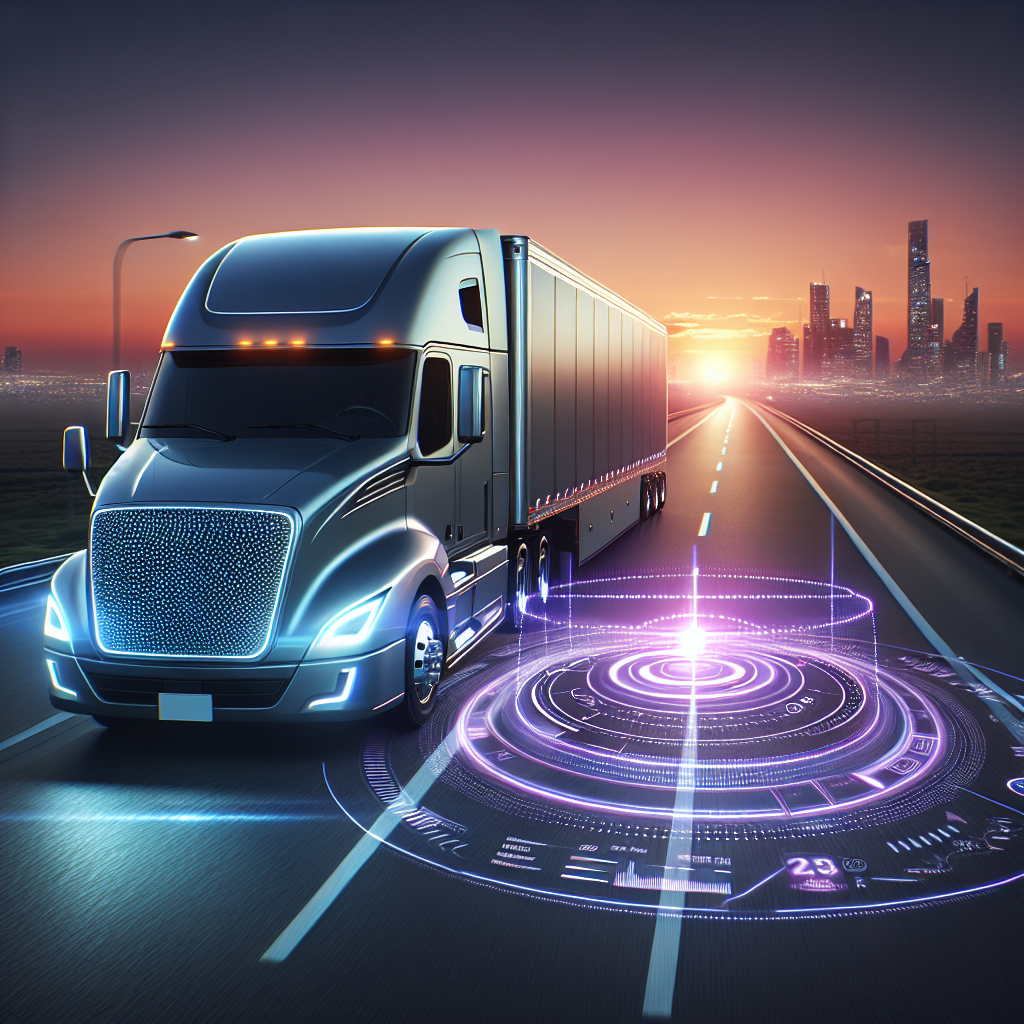
The Future of AI in Freight Transportation
Artificial Intelligence (AI) has already had a significant impact on various industries, and the freight transportation sector is no exception. With the rise of e-commerce and the increasing demand for faster and more efficient shipping, AI is playing a crucial role in revolutionizing the way goods are transported from one place to another. From autonomous trucks to predictive maintenance systems, AI is shaping the future of freight transportation in ways that were once thought to be impossible.
AI in Freight Transportation: Current Applications
AI is already being used in various aspects of freight transportation to improve efficiency, reduce costs, and enhance safety. Some of the key applications of AI in this sector include:
1. Route Optimization: AI algorithms can analyze a vast amount of data, such as traffic patterns, weather conditions, and historical delivery times, to optimize routes for trucks and other vehicles. This helps in reducing fuel consumption, cutting down on delivery times, and minimizing the risk of accidents.
2. Predictive Maintenance: AI-powered sensors can monitor the condition of vehicles in real-time and predict when maintenance is needed. This proactive approach helps in preventing breakdowns and costly repairs, leading to increased uptime and reduced maintenance costs.
3. Autonomous Vehicles: AI technology is being used to develop autonomous trucks that can operate without human intervention. These self-driving vehicles have the potential to revolutionize the freight transportation industry by increasing efficiency, reducing labor costs, and improving safety on the roads.
4. Load Management: AI algorithms can analyze data on the weight, size, and destination of shipments to optimize load management on trucks. This helps in maximizing the capacity of each vehicle, reducing the number of trips needed to transport goods, and cutting down on transportation costs.
5. Warehouse Automation: AI-powered robots and drones are being used in warehouses to automate tasks such as picking, packing, and inventory management. This automation helps in speeding up the fulfillment process, reducing errors, and improving overall efficiency in the supply chain.
The Future of AI in Freight Transportation
As AI technology continues to advance, the future of freight transportation is likely to be shaped by even more innovative applications of AI. Some of the key trends that are expected to drive the adoption of AI in this sector include:
1. Increased Automation: The adoption of autonomous vehicles and warehouse automation systems is expected to increase significantly in the coming years. This will lead to a more efficient and cost-effective transportation process, with fewer delays and errors.
2. Improved Safety: AI-powered sensors and cameras can enhance the safety of freight transportation by detecting potential hazards on the road, such as pedestrians, cyclists, and other vehicles. This technology can help in reducing accidents and ensuring the smooth flow of traffic.
3. Enhanced Predictive Analytics: AI algorithms will continue to evolve to provide more accurate predictions on various aspects of freight transportation, such as demand forecasting, route optimization, and maintenance schedules. This will help companies in making better-informed decisions and staying ahead of the competition.
4. Sustainable Practices: AI can help in promoting sustainable practices in freight transportation by optimizing routes to reduce fuel consumption, minimizing emissions, and maximizing the use of renewable energy sources. This will not only benefit the environment but also help companies in meeting their sustainability goals.
5. Personalized Customer Experience: AI technology can be used to personalize the customer experience in freight transportation by providing real-time updates on shipments, offering flexible delivery options, and resolving any issues quickly. This will help in building customer loyalty and gaining a competitive edge in the market.
FAQs
Q: How will AI impact the job market in the freight transportation sector?
A: While AI is expected to automate certain tasks in the freight transportation industry, it is also likely to create new job opportunities in areas such as AI development, data analysis, and system maintenance. Companies will need skilled workers who can manage and optimize AI systems to ensure their smooth operation.
Q: Will autonomous vehicles replace human drivers in the future?
A: While autonomous vehicles have the potential to reduce the need for human drivers, it is unlikely that they will completely replace them in the near future. Human drivers will still be needed to handle complex situations on the road, such as navigating through construction zones and interacting with other drivers.
Q: How can companies prepare for the adoption of AI in freight transportation?
A: Companies can prepare for the adoption of AI in freight transportation by investing in training programs for their employees, upgrading their infrastructure to support AI systems, and partnering with technology providers who specialize in AI solutions. It is important for companies to stay ahead of the curve and embrace AI technology to remain competitive in the market.
In conclusion, the future of AI in freight transportation is bright, with the potential to revolutionize the way goods are transported around the world. From autonomous vehicles to predictive analytics, AI is expected to drive efficiency, safety, and sustainability in the industry. Companies that embrace AI technology and adapt to the changing landscape of freight transportation are likely to gain a competitive edge and thrive in the market.