
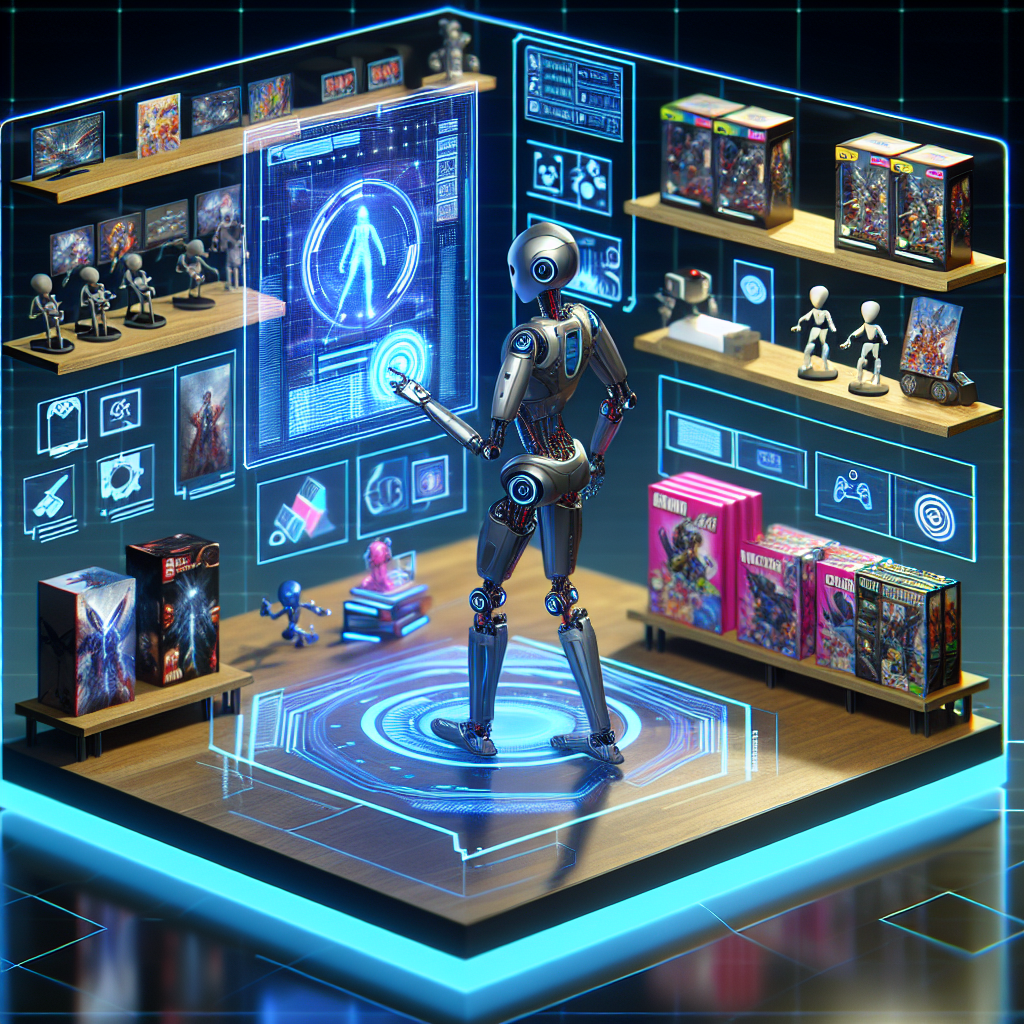
The Future of AI in Game Merchandising
With the rapid advancements in artificial intelligence (AI) technology, the gaming industry is experiencing a transformation in how merchandise is created, marketed, and sold. AI is revolutionizing the way game developers and publishers interact with their audience, leading to more personalized and engaging experiences for gamers. In this article, we will explore the future of AI in game merchandising and how it is shaping the gaming industry.
AI-Powered Personalization
One of the key benefits of AI in game merchandising is its ability to provide personalized experiences for gamers. By analyzing player data, AI algorithms can identify patterns and preferences, allowing game developers to tailor their merchandise offerings to individual players. This can include personalized in-game items, virtual goods, and exclusive content that cater to the unique tastes and interests of each player.
For example, AI-powered recommendation engines can suggest merchandise based on a player’s gameplay history, social interactions, and purchase behavior. This not only enhances the player experience but also increases engagement and loyalty. By offering personalized merchandise, game developers can boost sales and revenue while building a stronger connection with their audience.
Predictive Analytics
AI is also revolutionizing how game developers forecast trends and make strategic decisions about merchandising. By leveraging predictive analytics, AI algorithms can analyze vast amounts of data to identify emerging trends, predict player behavior, and optimize merchandising strategies. This allows game developers to stay ahead of the competition, anticipate market demands, and offer merchandise that resonates with their audience.
For instance, AI can analyze player feedback, social media trends, and industry data to predict which merchandise items will be popular in the future. This enables game developers to create targeted marketing campaigns, optimize pricing strategies, and develop merchandise that aligns with player preferences. By leveraging predictive analytics, game developers can make data-driven decisions that drive sales and revenue growth.
Virtual Try-On Technology
AI is also transforming the way players interact with merchandise in virtual environments. Virtual try-on technology, powered by AI, allows players to virtually try on merchandise in real-time, such as clothing, accessories, and in-game items. This technology uses computer vision and machine learning algorithms to simulate how merchandise looks and fits on a player’s avatar, providing a more immersive and interactive shopping experience.
Virtual try-on technology not only enhances the player experience but also increases engagement and conversion rates. By allowing players to visualize merchandise in a virtual environment, game developers can drive sales, reduce returns, and create a more personalized shopping experience. This technology is particularly valuable for online retailers and virtual storefronts, where players can try on merchandise before making a purchase.
AI-Powered Chatbots
Another innovative application of AI in game merchandising is the use of chatbots to provide customer support, answer questions, and promote merchandise. AI-powered chatbots can engage with players in real-time, provide personalized recommendations, and assist with purchasing decisions. This not only improves the player experience but also increases conversion rates and drives sales.
For example, AI chatbots can recommend merchandise based on a player’s preferences, answer frequently asked questions, and provide real-time support. This helps players find the merchandise they are looking for, resolve issues quickly, and make informed purchasing decisions. By leveraging AI-powered chatbots, game developers can enhance customer engagement, streamline the shopping experience, and increase sales revenue.
FAQs
Q: How is AI used in game merchandising?
A: AI is used in game merchandising to provide personalized experiences for players, analyze player data, predict trends, optimize merchandising strategies, enable virtual try-on technology, and power chatbots for customer support.
Q: What are the benefits of AI in game merchandising?
A: The benefits of AI in game merchandising include personalized experiences for players, increased engagement and loyalty, enhanced player experiences, optimized merchandising strategies, predictive analytics, virtual try-on technology, and AI-powered chatbots for customer support.
Q: How does AI improve the player experience in game merchandising?
A: AI improves the player experience in game merchandising by providing personalized recommendations, predicting player behavior, optimizing merchandising strategies, enabling virtual try-on technology, and powering chatbots for customer support. This creates a more immersive, interactive, and personalized shopping experience for players.
Q: What are some examples of AI in game merchandising?
A: Some examples of AI in game merchandising include personalized recommendations, predictive analytics, virtual try-on technology, and AI-powered chatbots for customer support. These applications of AI enhance the player experience, drive sales, and increase engagement in the gaming industry.
In conclusion, the future of AI in game merchandising is bright, with endless possibilities for personalized experiences, predictive analytics, virtual try-on technology, and AI-powered chatbots. As AI technology continues to evolve, game developers will have new tools and capabilities to create more engaging, immersive, and personalized merchandise experiences for players. By leveraging AI in game merchandising, the gaming industry is poised for continued growth and innovation in the years to come.