
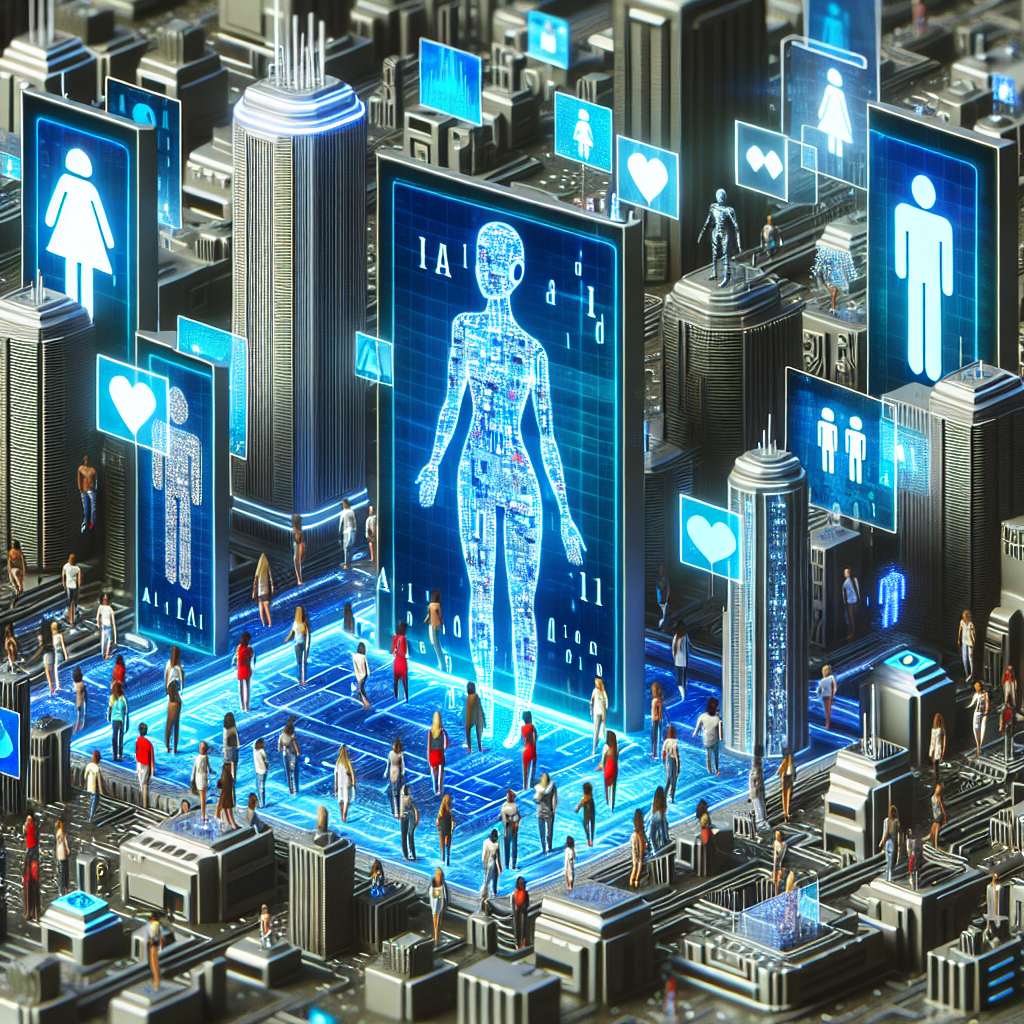
In recent years, the world of influencer marketing has evolved dramatically, with the rise of social media platforms and the increasing importance of digital marketing strategies. One of the most significant developments in this space is the integration of artificial intelligence (AI) technology, which has the potential to transform the way brands and influencers collaborate and engage with their audiences.
AI has already made a significant impact on various industries, from healthcare to finance, and its potential in influencer marketing is equally promising. By leveraging AI tools and algorithms, brands can analyze data more effectively, identify trends and patterns, and make data-driven decisions to optimize their influencer marketing campaigns. In this article, we will explore the future of AI in influencer marketing and how it is reshaping the industry.
1. Personalization and Targeting
One of the key benefits of AI in influencer marketing is its ability to personalize content and target specific audiences more effectively. AI algorithms can analyze vast amounts of data, such as demographics, interests, and online behavior, to create detailed customer profiles. This allows brands to identify the most relevant influencers for their target audience and tailor their messaging to resonate with specific consumer segments.
By leveraging AI-powered tools, brands can also track and measure the impact of their influencer campaigns in real-time, allowing them to adjust their strategies as needed to optimize performance. This level of personalization and targeting can help brands reach their desired audience more efficiently and increase the effectiveness of their influencer marketing efforts.
2. Content Creation and Curation
Another area where AI is revolutionizing influencer marketing is in content creation and curation. AI-powered tools can analyze and generate content at scale, helping influencers produce high-quality and engaging content more efficiently. For example, AI can suggest relevant topics, keywords, and hashtags for influencers to incorporate into their posts, ensuring that their content is optimized for maximum visibility and engagement.
AI can also help influencers curate content that resonates with their audience by analyzing their preferences and online behavior. By understanding what types of content perform best with their followers, influencers can tailor their content strategy to drive higher engagement and build stronger relationships with their audience.
3. Fraud Detection and Brand Safety
One of the biggest challenges in influencer marketing is fraud and fake followers, which can undermine the credibility of influencer campaigns and waste valuable marketing resources. AI technology can help brands detect fraudulent activity and ensure brand safety by analyzing influencer data and identifying suspicious patterns or inconsistencies.
AI algorithms can also analyze engagement metrics, such as likes, comments, and shares, to determine the authenticity of an influencer’s following. By detecting fake followers and engagement, brands can make more informed decisions about which influencers to partner with and protect their brand reputation from potential risks.
4. Predictive Analytics and Optimization
AI technology enables brands to harness the power of predictive analytics to forecast future trends and optimize their influencer marketing strategies. By analyzing historical data and performance metrics, AI algorithms can identify patterns and trends that can help brands predict the success of their influencer campaigns and make data-driven decisions to maximize their ROI.
Predictive analytics can also help brands optimize their influencer partnerships by identifying the most effective influencers for their campaigns and predicting the impact of different collaboration strategies. By leveraging AI-powered tools, brands can stay ahead of the curve and adapt their influencer marketing strategies to meet the evolving needs and preferences of their target audience.
FAQs:
Q: How can AI help brands identify the right influencers for their campaigns?
A: AI technology can analyze vast amounts of data to create detailed customer profiles and identify the most relevant influencers for a brand’s target audience. By leveraging AI-powered tools, brands can make data-driven decisions to optimize their influencer marketing campaigns and reach their desired audience more effectively.
Q: How does AI help influencers create engaging content?
A: AI-powered tools can suggest relevant topics, keywords, and hashtags for influencers to incorporate into their posts, ensuring that their content is optimized for maximum visibility and engagement. By leveraging AI technology, influencers can produce high-quality and engaging content more efficiently and build stronger relationships with their audience.
Q: How can AI help brands detect fraud and ensure brand safety in influencer marketing?
A: AI technology can analyze influencer data and engagement metrics to detect fraudulent activity and fake followers. By leveraging AI algorithms, brands can make more informed decisions about which influencers to partner with and protect their brand reputation from potential risks.
In conclusion, the future of AI in influencer marketing is bright, with endless possibilities for brands and influencers to leverage technology to create more personalized, targeted, and engaging campaigns. By harnessing the power of AI, brands can optimize their influencer marketing strategies, drive higher engagement, and achieve greater success in reaching their target audience. As AI continues to evolve and innovate, we can expect to see even more exciting developments in the world of influencer marketing in the years to come.