
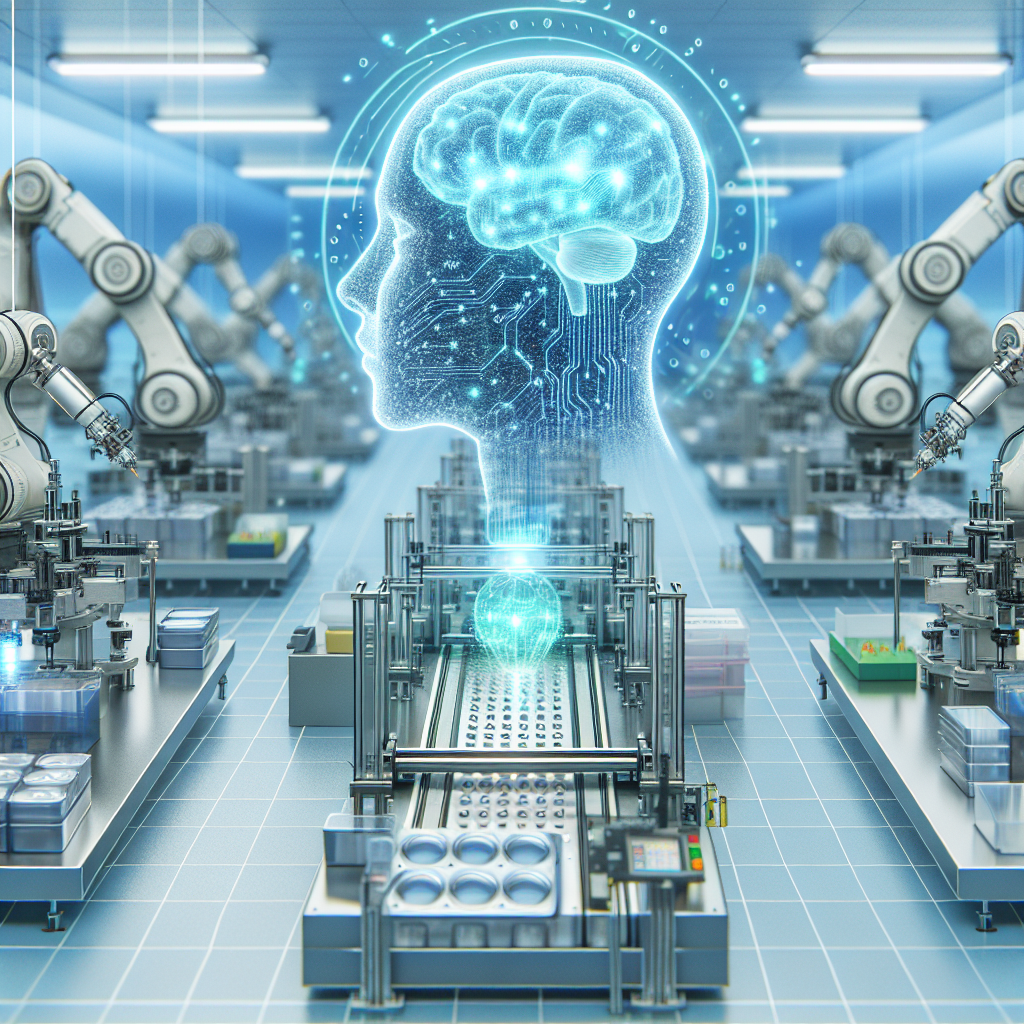
The pharmaceutical industry is constantly evolving, driven by advancements in technology and increasing demands for efficiency and effectiveness. One area that has seen significant growth in recent years is the use of artificial intelligence (AI) in pharmaceutical packaging manufacturing.
AI has the potential to revolutionize the way pharmaceuticals are packaged, improving speed, accuracy, and cost-effectiveness. From automated quality control to predictive maintenance, AI can streamline processes and enhance productivity in the pharmaceutical packaging industry.
One of the key benefits of AI in pharmaceutical packaging manufacturing is its ability to improve quality control. AI systems can quickly and accurately inspect packaging materials for defects, ensuring that only high-quality products are released to the market. This can help pharmaceutical companies reduce waste and minimize the risk of recalls, ultimately saving time and money.
In addition to quality control, AI can also be used to optimize production processes in pharmaceutical packaging manufacturing. By analyzing data from sensors and other sources, AI systems can identify patterns and trends that can be used to improve efficiency and reduce downtime. This can lead to increased productivity and lower production costs, ultimately benefiting both pharmaceutical companies and consumers.
Another area where AI can make a significant impact is in predictive maintenance. By monitoring equipment performance in real-time, AI systems can predict when a machine is likely to fail and schedule maintenance before a breakdown occurs. This can help pharmaceutical companies avoid costly downtime and keep production running smoothly.
Overall, the future of AI in pharmaceutical packaging manufacturing looks bright. As technology continues to advance, we can expect to see even more innovative applications of AI in this industry, leading to improved quality, efficiency, and cost-effectiveness.
FAQs:
Q: How is AI being used in pharmaceutical packaging manufacturing?
A: AI is being used in various ways in pharmaceutical packaging manufacturing, including quality control, process optimization, and predictive maintenance. AI systems can inspect packaging materials for defects, analyze production data to improve efficiency, and predict equipment failures to prevent downtime.
Q: What are the benefits of using AI in pharmaceutical packaging manufacturing?
A: Some of the benefits of using AI in pharmaceutical packaging manufacturing include improved quality control, increased efficiency, reduced downtime, and cost savings. AI can help pharmaceutical companies produce high-quality products more quickly and cost-effectively.
Q: Are there any drawbacks to using AI in pharmaceutical packaging manufacturing?
A: While AI offers many benefits, there are also potential drawbacks to consider. These may include high initial costs, the need for specialized expertise to implement and maintain AI systems, and concerns about data privacy and security.
Q: What can we expect to see in the future of AI in pharmaceutical packaging manufacturing?
A: In the future, we can expect to see even more advanced applications of AI in pharmaceutical packaging manufacturing. This may include the use of machine learning algorithms to optimize production processes, the integration of AI with robotic systems for automated packaging, and the development of AI-powered predictive analytics for supply chain management.