
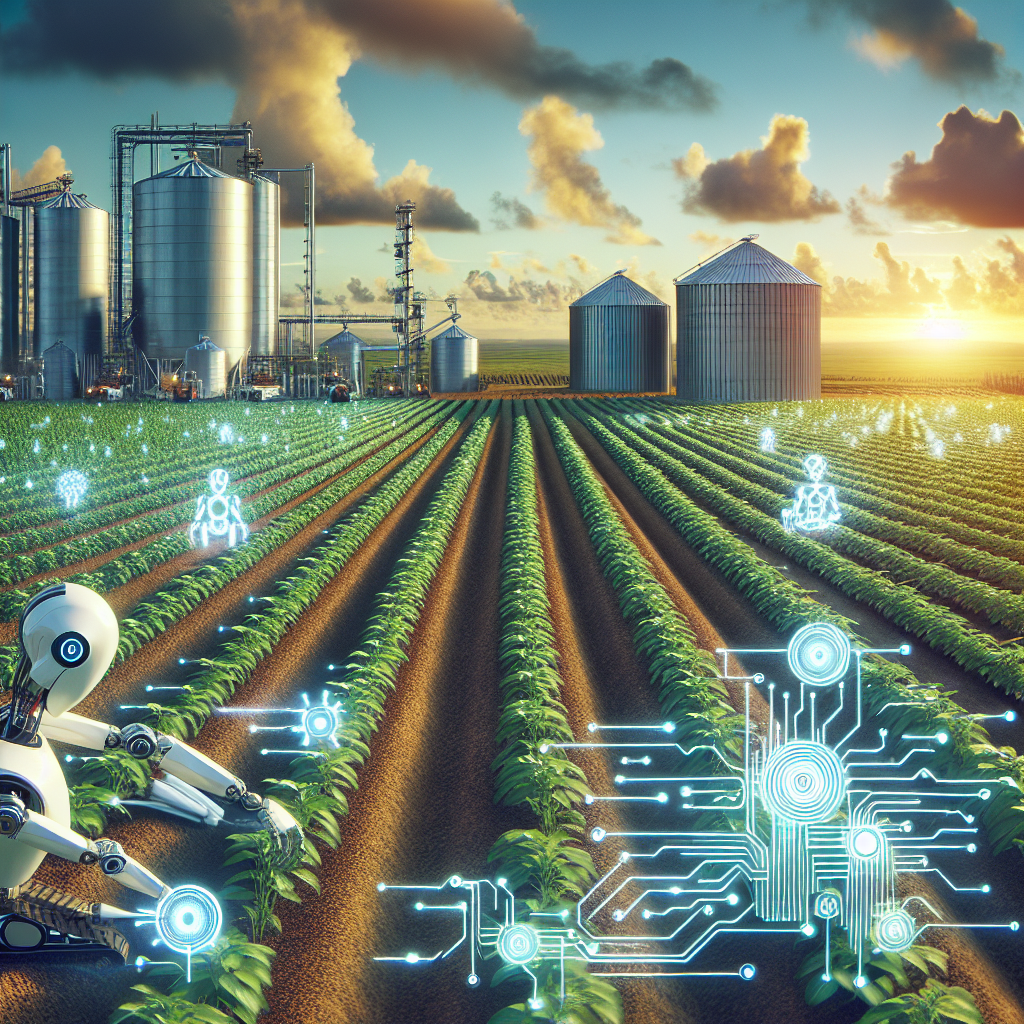
The Future of AI Integration in Agriculture
In recent years, the agricultural industry has seen a significant shift towards the integration of artificial intelligence (AI) technologies. These advancements have the potential to revolutionize the way we grow, harvest, and distribute food, ultimately leading to increased efficiency, productivity, and sustainability in agriculture. As we look towards the future, it is clear that AI will play a crucial role in shaping the way we feed the growing global population.
AI technologies have already been successfully implemented in various aspects of agriculture, including crop monitoring, precision farming, and livestock management. These tools have the ability to collect and analyze vast amounts of data, enabling farmers to make more informed decisions and optimize their operations. By leveraging AI, farmers can improve crop yields, reduce waste, and minimize environmental impact.
One of the key benefits of AI integration in agriculture is the ability to monitor crops in real-time. Through the use of sensors and drones, farmers can collect data on soil moisture levels, nutrient content, and pest infestations. This information can then be analyzed by AI algorithms to provide insights on how to best care for the crops. By identifying issues early on, farmers can take proactive measures to prevent crop damage and increase yields.
Precision farming is another area where AI is making a significant impact. By using AI-powered tools such as GPS-guided tractors and automated irrigation systems, farmers can optimize their use of resources and reduce waste. These technologies allow for more precise application of fertilizers and pesticides, leading to higher crop yields and lower environmental impact. Additionally, AI can help farmers monitor crop growth and health, enabling them to make adjustments in real-time to ensure optimal conditions for plant growth.
Livestock management is also benefiting from AI integration. By using AI-powered tools to monitor animal health and behavior, farmers can detect signs of illness or distress early on and take appropriate action. This can lead to improved animal welfare and higher productivity. AI can also help farmers optimize feed schedules and breeding practices to ensure the health and well-being of their livestock.
As we look towards the future, the possibilities for AI integration in agriculture are endless. From autonomous farming equipment to predictive analytics for crop forecasting, AI has the potential to transform the way we produce food. By harnessing the power of AI, farmers can increase efficiency, reduce costs, and improve sustainability in agriculture.
FAQs
Q: What are some of the challenges of implementing AI in agriculture?
A: One of the main challenges of implementing AI in agriculture is the cost of technology. AI-powered tools and equipment can be expensive, making it difficult for small-scale farmers to invest in these technologies. Additionally, there may be resistance to change from traditional farming practices, which can hinder the adoption of AI in agriculture.
Q: How can AI help improve sustainability in agriculture?
A: AI technologies can help farmers optimize their use of resources, such as water and fertilizers, leading to reduced waste and a smaller environmental footprint. By monitoring crops and livestock in real-time, farmers can make more informed decisions that promote sustainability and conservation.
Q: What are some of the ethical considerations of AI integration in agriculture?
A: Ethical considerations of AI integration in agriculture include concerns about data privacy and security, as well as the potential for job displacement due to automation. It is important for farmers to carefully consider these factors when implementing AI technologies on their farms.
Q: How can small-scale farmers benefit from AI integration in agriculture?
A: While the cost of AI technology may be a barrier for small-scale farmers, there are still opportunities for them to benefit from AI integration in agriculture. For example, AI-powered tools can help small-scale farmers optimize their use of resources and improve crop yields, leading to increased profitability and sustainability.
In conclusion, the future of AI integration in agriculture holds great promise for transforming the way we produce food. By harnessing the power of AI technologies, farmers can increase efficiency, reduce waste, and improve sustainability in agriculture. As we continue to innovate and develop new AI solutions for agriculture, the possibilities for growth and advancement in this industry are endless.