
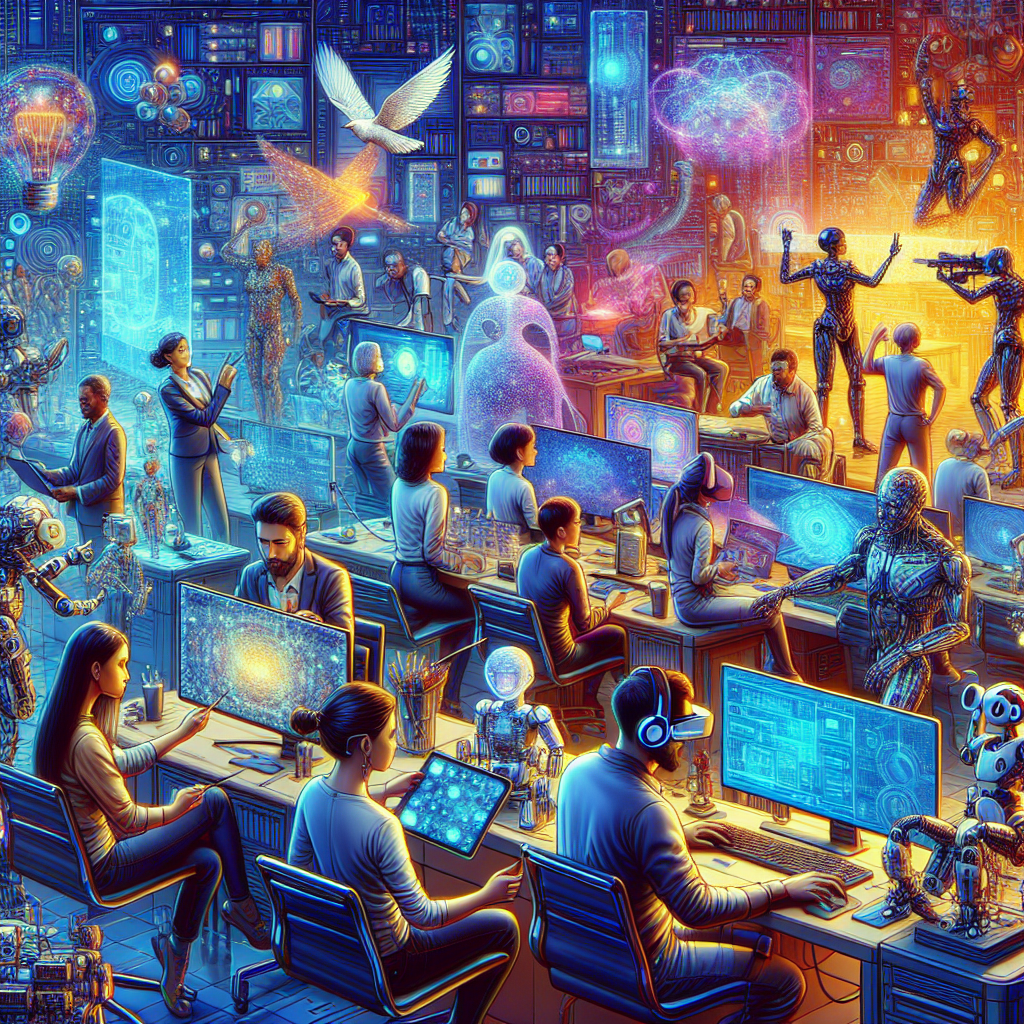
The entertainment industry has always been at the forefront of technological innovation, constantly looking for new ways to engage and entertain audiences. In recent years, artificial intelligence (AI) has emerged as a powerful tool that has the potential to revolutionize the way entertainment content is created, distributed, and consumed. From personalized recommendations to virtual reality experiences, AI is already making its mark on the entertainment industry, and its influence is only expected to grow in the coming years.
AI Integration in Content Creation
One of the most significant ways AI is transforming the entertainment industry is through content creation. AI-powered tools are being used to streamline the production process, from scriptwriting and editing to special effects and post-production. For example, companies like Scriptbook are using AI algorithms to analyze scripts and predict the commercial success of a film before it’s even made. This technology can help filmmakers make more informed decisions about which projects to pursue, ultimately leading to more successful and profitable films.
AI is also being used to enhance visual effects in movies and TV shows. For example, the AI-powered software DeepDream can generate psychedelic images and videos that can be used in music videos and other visual content. Additionally, AI is being used to create realistic digital humans, such as the virtual influencer Lil Miquela, who has amassed a large following on social media.
AI Integration in Content Distribution
In addition to content creation, AI is also playing a significant role in content distribution. Streaming services like Netflix and Spotify use AI algorithms to recommend personalized content to users based on their viewing or listening habits. These recommendations help users discover new content they may not have otherwise found, leading to increased engagement and retention.
AI is also being used to optimize the delivery of content, ensuring that users have a seamless and uninterrupted viewing experience. For example, AI-powered algorithms can predict network congestion and adjust streaming quality in real-time to prevent buffering and other playback issues. This level of personalization and optimization is critical in today’s competitive entertainment landscape, where consumers have more choices than ever before.
AI Integration in Audience Engagement
Another area where AI is making an impact in the entertainment industry is audience engagement. Chatbots powered by AI are being used by entertainment companies to interact with fans and provide personalized recommendations and updates. These chatbots can answer questions, provide information about upcoming events, and even engage in conversations with users, creating a more immersive and interactive experience.
AI is also being used to create virtual reality experiences that transport users to new worlds and allow them to interact with characters and environments in ways that were previously impossible. For example, the AI-powered game “AI Dungeon” allows players to create their own stories and adventures in a virtual world where the possibilities are endless. This level of interactivity and immersion is only possible with the help of AI technology.
The Future of AI Integration in the Entertainment Industry
As AI technology continues to evolve and improve, its integration into the entertainment industry is only expected to grow. In the future, we can expect to see even more personalized and immersive experiences that are tailored to individual preferences and behaviors. For example, AI-powered virtual assistants could help users navigate through a virtual reality experience, providing guidance and recommendations based on their interactions.
AI is also expected to play a significant role in content creation, with filmmakers and creators using AI algorithms to generate new ideas and concepts that push the boundaries of traditional storytelling. Additionally, AI could be used to analyze audience feedback and preferences to create more engaging and relevant content that resonates with viewers on a deeper level.
Overall, the future of AI integration in the entertainment industry is bright, with the potential to revolutionize the way content is created, distributed, and consumed. As technology continues to advance, we can expect to see even more innovative and exciting applications of AI that enhance the entertainment experience for audiences around the world.
FAQs:
Q: How is AI being used in the entertainment industry?
A: AI is being used in the entertainment industry in various ways, including content creation, distribution, and audience engagement. AI-powered tools are being used to streamline the production process, enhance visual effects, recommend personalized content to users, optimize content delivery, and create interactive experiences for audiences.
Q: What are some examples of AI integration in the entertainment industry?
A: Some examples of AI integration in the entertainment industry include personalized recommendations on streaming services like Netflix and Spotify, AI-generated scripts and special effects in movies and TV shows, virtual influencers like Lil Miquela, and interactive virtual reality experiences like the game “AI Dungeon.”
Q: How will AI impact the future of the entertainment industry?
A: AI is expected to have a significant impact on the future of the entertainment industry, with the potential to revolutionize the way content is created, distributed, and consumed. AI technology will enable more personalized and immersive experiences for audiences, as well as more efficient and effective production processes for creators.
Q: What are some potential challenges of AI integration in the entertainment industry?
A: Some potential challenges of AI integration in the entertainment industry include data privacy concerns, ethical implications of AI-generated content, and the risk of job displacement for workers in the industry. It will be important for companies to address these challenges and ensure that AI technology is used responsibly and ethically.