
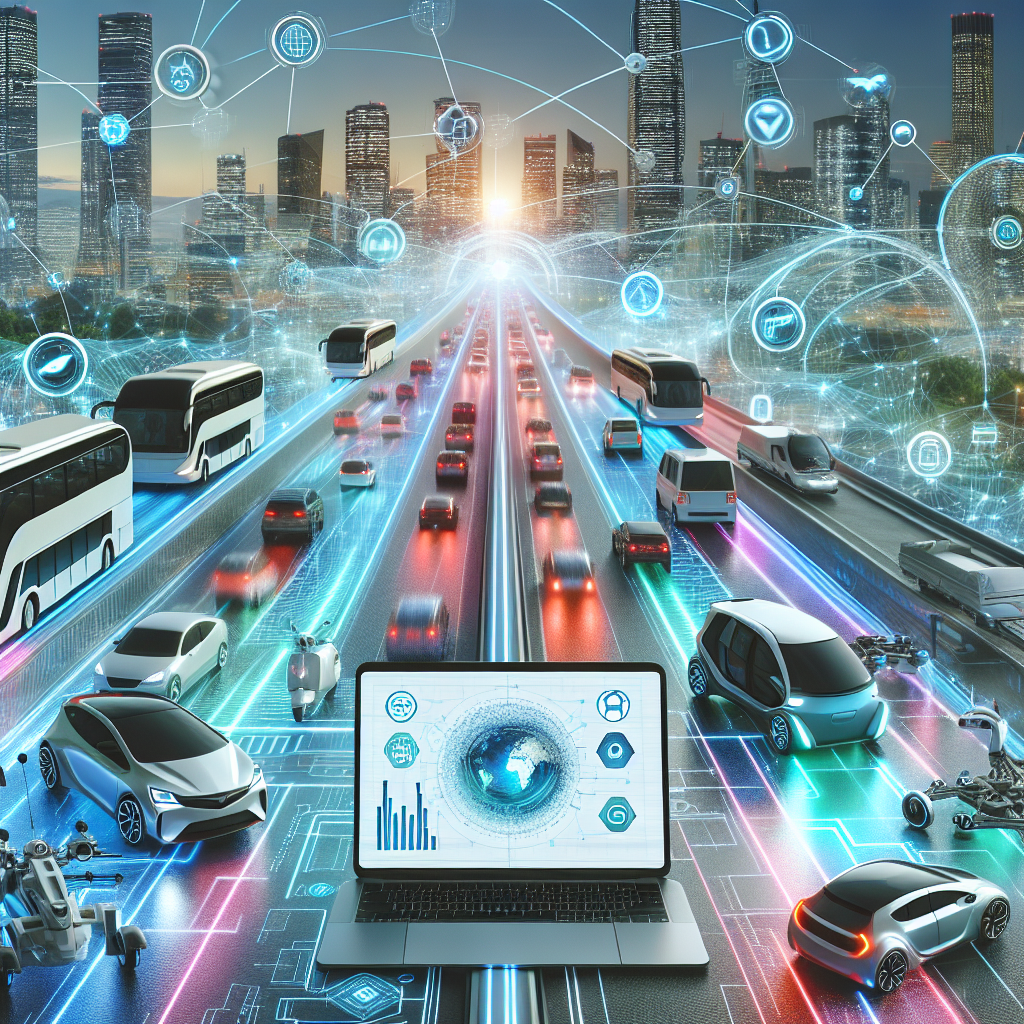
The Future of AI Software in Transportation Planning
In recent years, the transportation industry has seen significant advancements in technology, particularly in the field of artificial intelligence (AI). AI software has the potential to revolutionize the way transportation systems are planned, managed, and optimized. From autonomous vehicles to smart traffic management systems, AI is poised to play a critical role in shaping the future of transportation. In this article, we will explore the current state of AI software in transportation planning and discuss its potential impact on the industry in the years to come.
Current State of AI Software in Transportation Planning
AI software is already being used in various aspects of transportation planning, from optimizing traffic flow to predicting travel patterns. One of the most notable applications of AI in transportation is in the development of autonomous vehicles. These vehicles use AI algorithms to navigate roads, avoid obstacles, and make real-time decisions based on sensor data. Companies like Waymo, Tesla, and Uber are already testing autonomous vehicles on public roads, with the goal of eventually replacing traditional human-driven cars.
AI is also being used to optimize traffic flow and reduce congestion in urban areas. Smart traffic management systems use AI algorithms to analyze traffic patterns, predict congestion hotspots, and adjust traffic signals in real-time to improve traffic flow. By reducing congestion, these systems can help to decrease travel times, lower emissions, and improve overall efficiency in transportation networks.
Another key application of AI in transportation planning is in predictive analytics. By analyzing historical data on travel patterns, weather conditions, and other factors, AI algorithms can predict future demand for transportation services and help planners make informed decisions about infrastructure investment and service provision. This can help to reduce overcrowding on public transport, improve service reliability, and enhance the overall passenger experience.
Future Impact of AI Software in Transportation Planning
As AI technology continues to advance, its impact on transportation planning is expected to grow exponentially. Some of the key areas where AI software is likely to have a significant impact in the future include:
1. Autonomous Vehicles: The development of autonomous vehicles is expected to accelerate in the coming years, with AI playing a central role in their operation. As autonomous vehicles become more widespread, they have the potential to revolutionize the way people travel, reducing accidents, improving efficiency, and increasing accessibility for those who are unable to drive.
2. Smart Cities: AI software will play a crucial role in the development of smart cities, where transportation systems are integrated with other urban infrastructure to create more sustainable and efficient urban environments. By using AI algorithms to optimize traffic flow, manage parking, and coordinate public transport services, smart cities can reduce congestion, lower emissions, and improve quality of life for residents.
3. Personalized Transportation Services: AI software can help to create more personalized transportation services that are tailored to individual preferences and needs. By analyzing data on travel habits, preferences, and other factors, AI algorithms can recommend the most efficient and convenient transportation options for each individual, whether it be public transport, ride-sharing services, or autonomous vehicles.
4. Real-time Traffic Management: AI software will continue to play a key role in real-time traffic management systems, helping to optimize traffic flow, reduce congestion, and improve safety on roads. By using AI algorithms to analyze real-time data from sensors, cameras, and other sources, traffic management systems can make informed decisions about traffic signal timing, lane closures, and other measures to improve traffic flow.
5. Infrastructure Planning: AI can help planners to make more informed decisions about infrastructure investment and maintenance by analyzing data on traffic patterns, population growth, and other factors. By using AI algorithms to predict future demand for transportation services, planners can prioritize investments in new roads, public transport services, and other infrastructure projects to meet the needs of growing populations.
FAQs
Q: How will AI software impact traditional transportation planning methods?
A: AI software has the potential to revolutionize traditional transportation planning methods by providing planners with more accurate, real-time data on travel patterns, congestion hotspots, and other factors. By using AI algorithms to analyze this data, planners can make more informed decisions about infrastructure investment, service provision, and other aspects of transportation planning.
Q: Will AI software replace human planners in transportation planning?
A: While AI software can automate many aspects of transportation planning, it is unlikely to replace human planners entirely. Human planners will still be needed to make strategic decisions, set policy priorities, and engage with stakeholders in the planning process. However, AI software can help to streamline the planning process, improve decision-making, and optimize transportation systems more efficiently.
Q: What are some of the challenges associated with AI software in transportation planning?
A: One of the main challenges associated with AI software in transportation planning is data privacy and security. AI algorithms rely on large amounts of data to make accurate predictions and recommendations, which raises concerns about the privacy and security of personal information. Another challenge is the potential for AI algorithms to reinforce existing biases in transportation systems, such as favoring certain modes of transport or neglecting marginalized communities. Addressing these challenges will be critical to ensuring that AI software is used ethically and responsibly in transportation planning.
In conclusion, AI software has the potential to revolutionize transportation planning by providing planners with more accurate data, optimizing traffic flow, and improving the overall efficiency of transportation systems. As AI technology continues to advance, its impact on transportation planning is expected to grow exponentially, with applications ranging from autonomous vehicles to smart traffic management systems. By addressing key challenges and leveraging the potential of AI software, transportation planners can create more sustainable, efficient, and accessible transportation systems for the future.