
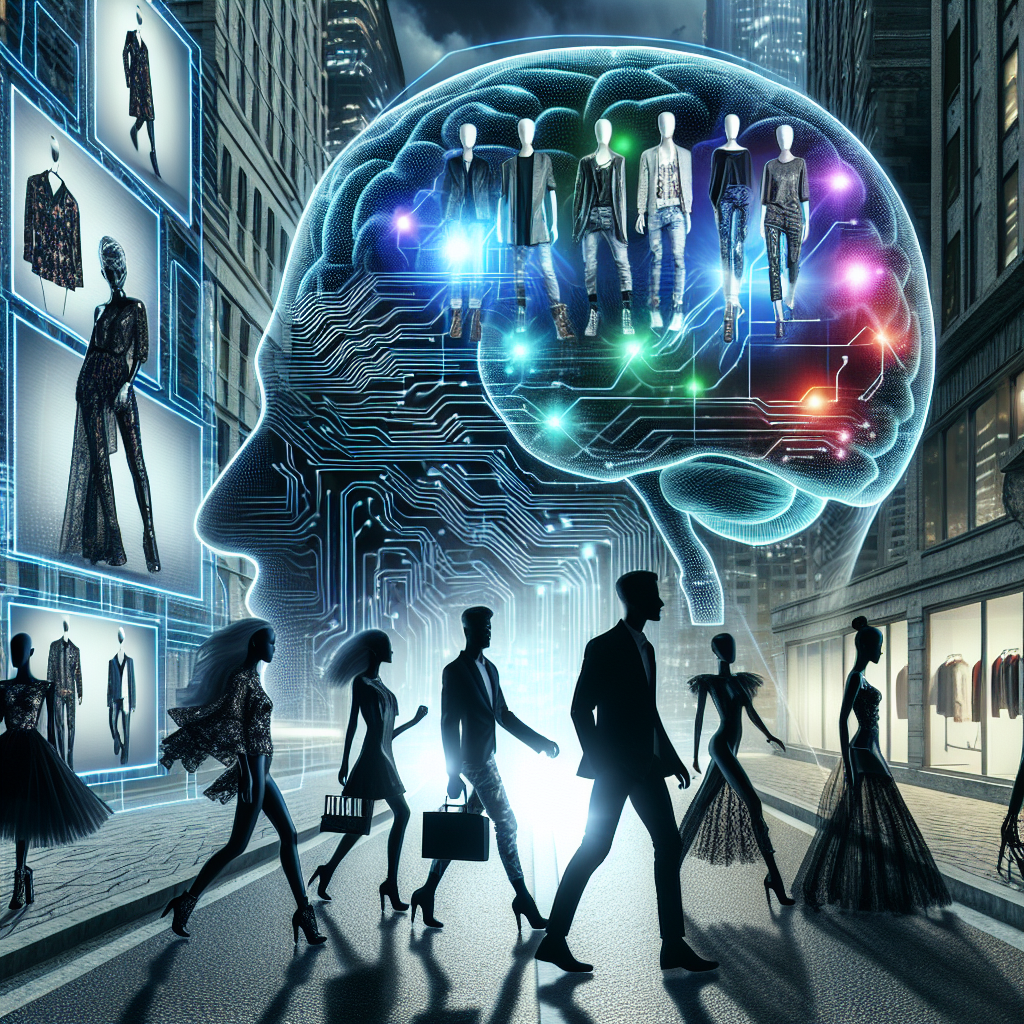
The fashion industry is constantly evolving, with new trends emerging and shifting at a rapid pace. In order to stay ahead of the curve, fashion brands and designers rely on fashion forecasting to predict what styles and trends will be popular in the future. Traditionally, fashion forecasting has been a manual and time-consuming process, with experts analyzing data and trends to make predictions. However, with the advent of artificial intelligence (AI), the future of fashion forecasting is changing.
AI is revolutionizing the way fashion forecasting is done, making it faster, more accurate, and more efficient. By analyzing vast amounts of data, AI can identify patterns and trends that humans may not be able to see. This allows fashion brands to make more informed decisions about what styles and trends to focus on, ultimately leading to more successful collections and increased sales.
One of the key ways AI is being used in fashion forecasting is through trend analysis. By analyzing social media, online shopping behavior, and other data sources, AI can identify emerging trends and predict which ones are likely to become popular in the future. This allows fashion brands to anticipate consumer demand and create collections that are in line with current trends.
Another way AI is changing fashion forecasting is through personalized recommendations. By analyzing individual consumer data, AI can recommend products that are tailored to each customer’s preferences and style. This not only helps consumers find clothing that they love, but also helps fashion brands increase sales by offering personalized recommendations.
In addition to trend analysis and personalized recommendations, AI is also being used in other aspects of fashion forecasting, such as inventory management and supply chain optimization. By analyzing sales data and other factors, AI can help fashion brands better predict demand and optimize their inventory levels. This can help reduce waste and improve efficiency, ultimately leading to cost savings and increased profitability.
Overall, the future of fashion forecasting is bright with the advent of AI. By leveraging the power of artificial intelligence, fashion brands can make more informed decisions, anticipate consumer demand, and stay ahead of the competition. As AI technology continues to advance, we can expect to see even more innovations in fashion forecasting that will help shape the future of the industry.
FAQs:
1. How does AI analyze trends in fashion forecasting?
AI analyzes trends in fashion forecasting by analyzing vast amounts of data from various sources, such as social media, online shopping behavior, and sales data. By identifying patterns and trends in this data, AI can predict which styles and trends are likely to become popular in the future.
2. How accurate is AI in predicting fashion trends?
AI is highly accurate in predicting fashion trends, as it can analyze large amounts of data and identify patterns that humans may not be able to see. This allows fashion brands to make more informed decisions about what styles and trends to focus on, ultimately leading to more successful collections and increased sales.
3. How does AI personalize recommendations in fashion forecasting?
AI personalizes recommendations in fashion forecasting by analyzing individual consumer data, such as shopping behavior and preferences. By understanding each customer’s unique style and preferences, AI can recommend products that are tailored to their needs, ultimately leading to a better shopping experience and increased sales for fashion brands.
4. How does AI optimize inventory and supply chain in fashion forecasting?
AI optimizes inventory and supply chain in fashion forecasting by analyzing sales data and other factors to predict demand. By understanding consumer behavior and trends, AI can help fashion brands better manage their inventory levels and optimize their supply chain, ultimately leading to cost savings and increased profitability.