
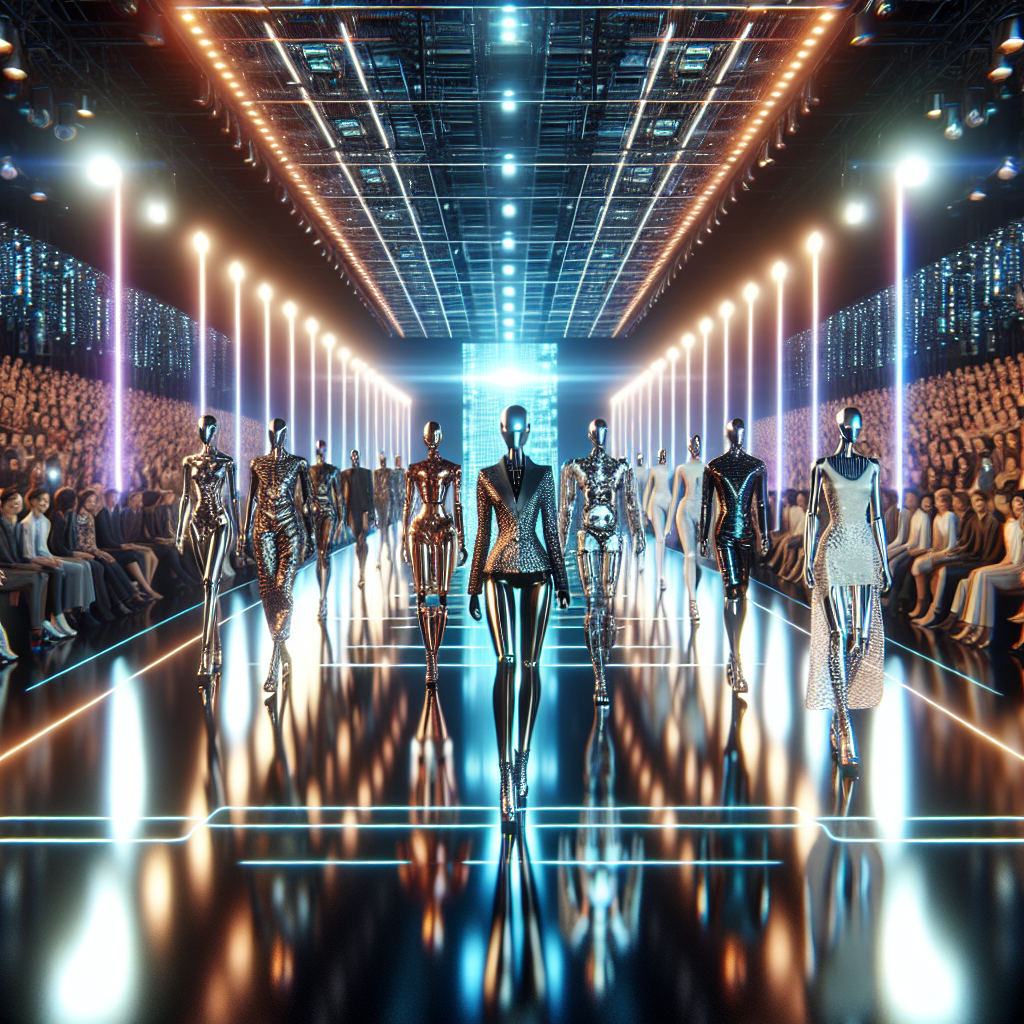
The Future of Fashion Shows: AI Runway Models and Designers
Fashion shows have long been a staple of the fashion industry, where designers showcase their latest collections on the runway for all to see. However, with the rapid advancements in technology, the future of fashion shows is set to undergo a major transformation. The rise of artificial intelligence (AI) is beginning to revolutionize the way fashion shows are produced, with AI runway models and designers becoming a reality. In this article, we will explore the potential impact of AI on the future of fashion shows and what this means for the industry as a whole.
AI Runway Models
One of the most innovative uses of AI in the fashion industry is the creation of AI runway models. These digital models are designed to walk the runway in place of human models, wearing the latest designs from fashion designers. AI runway models are created using advanced computer algorithms that simulate human movement and behavior, creating a lifelike representation of a model on the runway.
The use of AI runway models offers several advantages for fashion designers and brands. For one, AI models can be customized to fit any size or shape, allowing designers to showcase their designs on a more diverse range of body types. This can help to promote inclusivity and diversity in the fashion industry, which has long been criticized for its lack of representation.
Additionally, AI models can be programmed to walk in a consistent and precise manner, ensuring that every garment is showcased in the best possible light. This can help designers to present their collections in a more professional and polished way, improving the overall impact of their runway shows.
Another benefit of AI runway models is their ability to work around the clock, unlike human models who require breaks and rest periods. This means that designers can showcase their collections to a global audience at any time, allowing them to reach a larger and more diverse audience than ever before.
However, the use of AI runway models does raise some ethical questions. Critics argue that the use of digital models could further perpetuate unrealistic beauty standards and body ideals, as AI models can be programmed to embody unattainable levels of perfection. Additionally, there are concerns about the impact of AI models on the job market for human models, as the rise of digital models could potentially lead to a decrease in opportunities for real-life models.
Despite these concerns, the use of AI runway models is likely to become more widespread in the fashion industry in the coming years. As technology continues to advance, designers and brands will increasingly turn to AI models as a cost-effective and efficient way to showcase their collections on the runway.
AI Designers
In addition to AI runway models, the fashion industry is also beginning to explore the use of AI designers. These computer programs are designed to create original designs and collections based on a set of parameters and inputs provided by human designers. AI designers can generate new ideas, patterns, and styles that human designers may not have considered, leading to innovative and unique creations.
The use of AI designers has the potential to revolutionize the fashion industry by streamlining the design process and reducing the time and resources required to create new collections. AI designers can quickly generate multiple design options, allowing designers to explore a wider range of possibilities and experiment with new styles and trends.
Additionally, AI designers can analyze data and trends in real-time, helping designers to create collections that are more in line with consumer preferences and market demands. This can help to reduce waste and overproduction in the fashion industry, as designers can create collections that are more likely to sell well and resonate with customers.
However, there are concerns about the impact of AI designers on the creative process in the fashion industry. Critics argue that the use of AI designers could lead to a homogenization of design, as computer algorithms may prioritize certain trends or styles over others. There are also concerns about the potential loss of human creativity and intuition in the design process, as AI designers may rely on data and algorithms rather than human inspiration.
Despite these concerns, the use of AI designers is likely to become more prevalent in the fashion industry as designers and brands seek to stay ahead of the curve and innovate in an increasingly competitive market. By combining the creativity of human designers with the efficiency and precision of AI technology, the future of fashion design is set to be a truly exciting and transformative one.
FAQs
Q: Will AI runway models replace human models in fashion shows?
A: While AI runway models are becoming more common in the fashion industry, it is unlikely that they will completely replace human models. Human models bring a unique energy and personality to the runway that AI models cannot replicate, and many designers and brands will continue to use human models alongside AI models in their runway shows.
Q: How are AI designers different from human designers?
A: AI designers are computer programs that generate designs based on a set of parameters and inputs provided by human designers. While AI designers can create unique and innovative designs, they lack the creativity, intuition, and emotional intelligence of human designers. Human designers bring a personal touch and artistic vision to their work that AI designers cannot replicate.
Q: What are the ethical implications of using AI in fashion shows?
A: The use of AI in fashion shows raises several ethical questions, including concerns about unrealistic beauty standards, job displacement for human models, and the impact on creativity in the design process. It is important for designers and brands to consider these ethical implications and strive to use AI technology in a responsible and thoughtful way.
In conclusion, the future of fashion shows is set to be a truly exciting and transformative one, as AI runway models and designers become more prevalent in the industry. By combining the creativity of human designers with the efficiency and precision of AI technology, designers and brands have the opportunity to create truly innovative and inclusive runway shows that push the boundaries of fashion. While there are challenges and ethical considerations to consider, the potential for AI in the fashion industry is vast, and the possibilities are endless.