
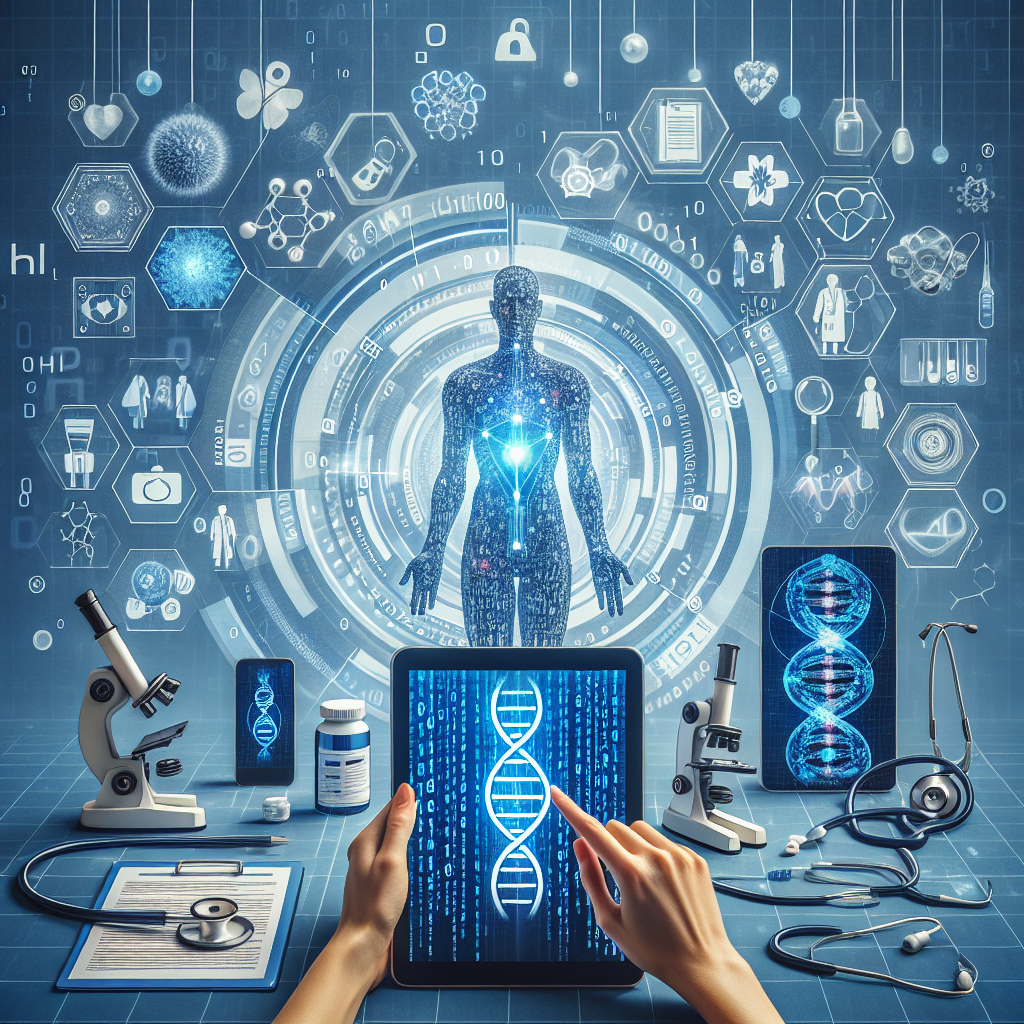
Natural Language Processing (NLP) is a branch of artificial intelligence that focuses on the interaction between humans and computers using natural language. In recent years, NLP has made significant advancements in various industries, including healthcare. In healthcare diagnostics, NLP has the potential to revolutionize the way medical professionals analyze and interpret patient data, leading to more accurate diagnoses and improved patient outcomes.
The Future of NLP in Healthcare Diagnostics
As technology continues to advance, the future of NLP in healthcare diagnostics looks promising. Here are some key ways in which NLP is expected to impact the field:
1. Improved Data Analysis: NLP can help medical professionals analyze and interpret large volumes of unstructured data, such as medical records, research papers, and patient notes. By extracting relevant information from these sources, NLP can provide valuable insights that can aid in making more accurate diagnoses and treatment decisions.
2. Enhanced Decision Support: NLP can be used to develop decision support systems that can assist medical professionals in diagnosing and treating patients. These systems can analyze patient data, medical literature, and other sources of information to provide recommendations and guidance to healthcare providers.
3. Personalized Medicine: NLP can help healthcare providers deliver personalized medicine by analyzing patient data and identifying patterns and trends that can inform treatment decisions. By leveraging NLP, medical professionals can tailor treatment plans to individual patients, leading to more effective outcomes.
4. Streamlined Workflow: NLP can automate time-consuming tasks, such as data entry and documentation, allowing healthcare providers to focus on patient care. By streamlining workflow processes, NLP can improve efficiency and productivity in healthcare settings.
5. Early Detection of Diseases: NLP can be used to analyze patient data and identify early signs of diseases, allowing for early intervention and treatment. By leveraging NLP, healthcare providers can detect diseases at an earlier stage, leading to better outcomes for patients.
6. Integration with Other Technologies: NLP can be integrated with other technologies, such as machine learning and deep learning, to further enhance its capabilities in healthcare diagnostics. By combining NLP with these technologies, healthcare providers can develop more advanced diagnostic tools and systems.
7. Improved Patient Care: Ultimately, the use of NLP in healthcare diagnostics is expected to lead to improved patient care. By providing medical professionals with valuable insights and recommendations, NLP can help healthcare providers make more informed decisions that result in better outcomes for patients.
Frequently Asked Questions about NLP in Healthcare Diagnostics:
Q: How does NLP work in healthcare diagnostics?
A: NLP uses algorithms to analyze and interpret natural language data, such as medical records, patient notes, and research papers. By extracting relevant information from these sources, NLP can provide valuable insights that can aid in making more accurate diagnoses and treatment decisions.
Q: What are the benefits of using NLP in healthcare diagnostics?
A: Some benefits of using NLP in healthcare diagnostics include improved data analysis, enhanced decision support, personalized medicine, streamlined workflow, early detection of diseases, integration with other technologies, and improved patient care.
Q: What are some challenges of using NLP in healthcare diagnostics?
A: Some challenges of using NLP in healthcare diagnostics include the need for accurate data input, the complexity of medical language, the potential for bias in algorithms, and the need for robust infrastructure and resources.
Q: How can healthcare providers implement NLP in their practice?
A: Healthcare providers can implement NLP in their practice by partnering with technology companies that specialize in NLP, investing in training and education for staff, and integrating NLP tools and systems into existing workflows.
Q: What are some ethical considerations of using NLP in healthcare diagnostics?
A: Some ethical considerations of using NLP in healthcare diagnostics include patient privacy and confidentiality, the potential for bias in algorithms, and the need for transparency and accountability in decision-making processes.
In conclusion, the future of Natural Language Processing (NLP) in healthcare diagnostics is bright, with the potential to revolutionize the way medical professionals analyze and interpret patient data. By leveraging NLP, healthcare providers can improve data analysis, enhance decision support, deliver personalized medicine, streamline workflow, detect diseases early, integrate with other technologies, and ultimately improve patient care. As NLP continues to advance, it will play a crucial role in shaping the future of healthcare diagnostics and improving outcomes for patients.