
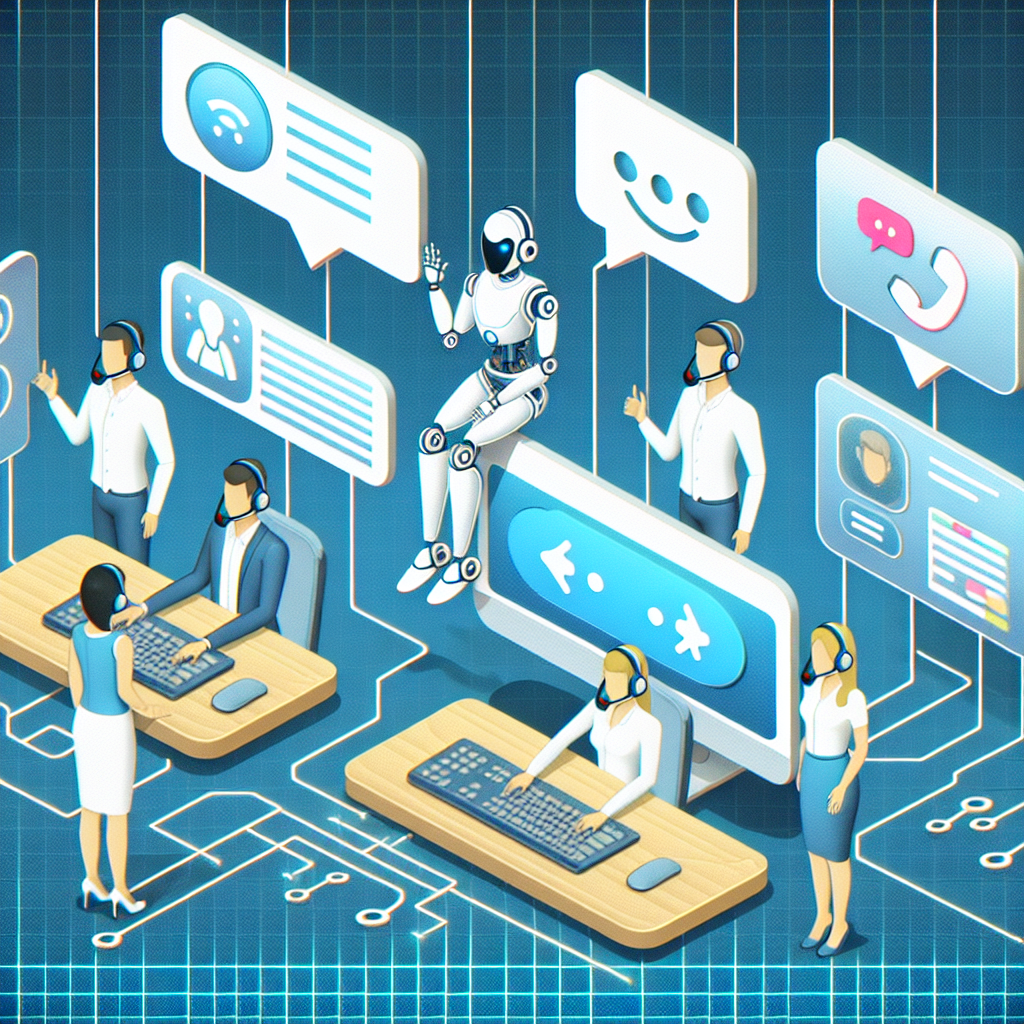
The Impact of AI and Machine Learning on Customer Service
In recent years, the use of artificial intelligence (AI) and machine learning in customer service has become increasingly prevalent. These technologies have the potential to revolutionize the way companies interact with their customers, providing more personalized and efficient service than ever before. This article will explore the impact of AI and machine learning on customer service, including the benefits and challenges associated with their implementation.
Benefits of AI and Machine Learning in Customer Service
1. Personalization: One of the key benefits of AI and machine learning in customer service is the ability to provide personalized experiences to customers. These technologies can analyze customer data to understand their preferences and behaviors, allowing companies to tailor their interactions and recommendations accordingly. This personalization can lead to increased customer satisfaction and loyalty, as customers feel more valued and understood by the company.
2. Automation: AI and machine learning can automate many routine customer service tasks, such as answering frequently asked questions, processing orders, and scheduling appointments. This automation can free up human agents to focus on more complex and high-value interactions, improving overall efficiency and productivity in customer service operations.
3. Predictive analytics: AI and machine learning can analyze customer data to predict future behaviors and trends, allowing companies to anticipate customer needs and preferences in advance. This predictive analytics can help companies proactively address customer issues and offer relevant products or services, leading to a more proactive and customer-centric approach to customer service.
4. 24/7 availability: AI-powered chatbots and virtual assistants can provide round-the-clock customer support, ensuring that customers can get assistance whenever they need it. This 24/7 availability can improve customer satisfaction and retention, as customers appreciate the convenience of being able to contact a company at any time.
Challenges of AI and Machine Learning in Customer Service
1. Lack of human touch: While AI and machine learning can provide efficient and personalized customer service, they may lack the empathy and emotional intelligence of human agents. Some customers may prefer interacting with a human representative, especially in sensitive or complex situations, leading to potential dissatisfaction with automated interactions.
2. Data privacy concerns: AI and machine learning rely on vast amounts of customer data to operate effectively, raising concerns about data privacy and security. Companies must ensure that they are transparent about how customer data is being used and protected, and comply with relevant regulations such as GDPR to maintain customer trust and confidence.
3. Integration challenges: Implementing AI and machine learning in customer service requires significant investment in technology and infrastructure, as well as training for employees to use these tools effectively. Companies may face challenges in integrating these technologies with existing systems and processes, leading to potential disruptions and inefficiencies in customer service operations.
4. Bias and fairness: AI algorithms can be susceptible to bias based on the data they are trained on, leading to unfair or discriminatory outcomes in customer interactions. Companies must carefully monitor and mitigate bias in AI models to ensure that they are providing equal and unbiased service to all customers, regardless of their background or characteristics.
FAQs
Q: How can AI and machine learning improve customer service efficiency?
A: AI and machine learning can automate routine tasks, analyze customer data to predict future behaviors, and provide personalized recommendations, leading to more efficient and effective customer service operations.
Q: What are the benefits of using chatbots and virtual assistants in customer service?
A: Chatbots and virtual assistants can provide round-the-clock support, handle multiple customer inquiries simultaneously, and free up human agents to focus on more complex interactions, improving overall efficiency and customer satisfaction.
Q: How can companies ensure the ethical use of AI and machine learning in customer service?
A: Companies must be transparent about how customer data is being used, monitor and mitigate bias in AI algorithms, and comply with relevant regulations such as GDPR to ensure the ethical and responsible use of AI and machine learning in customer service.