
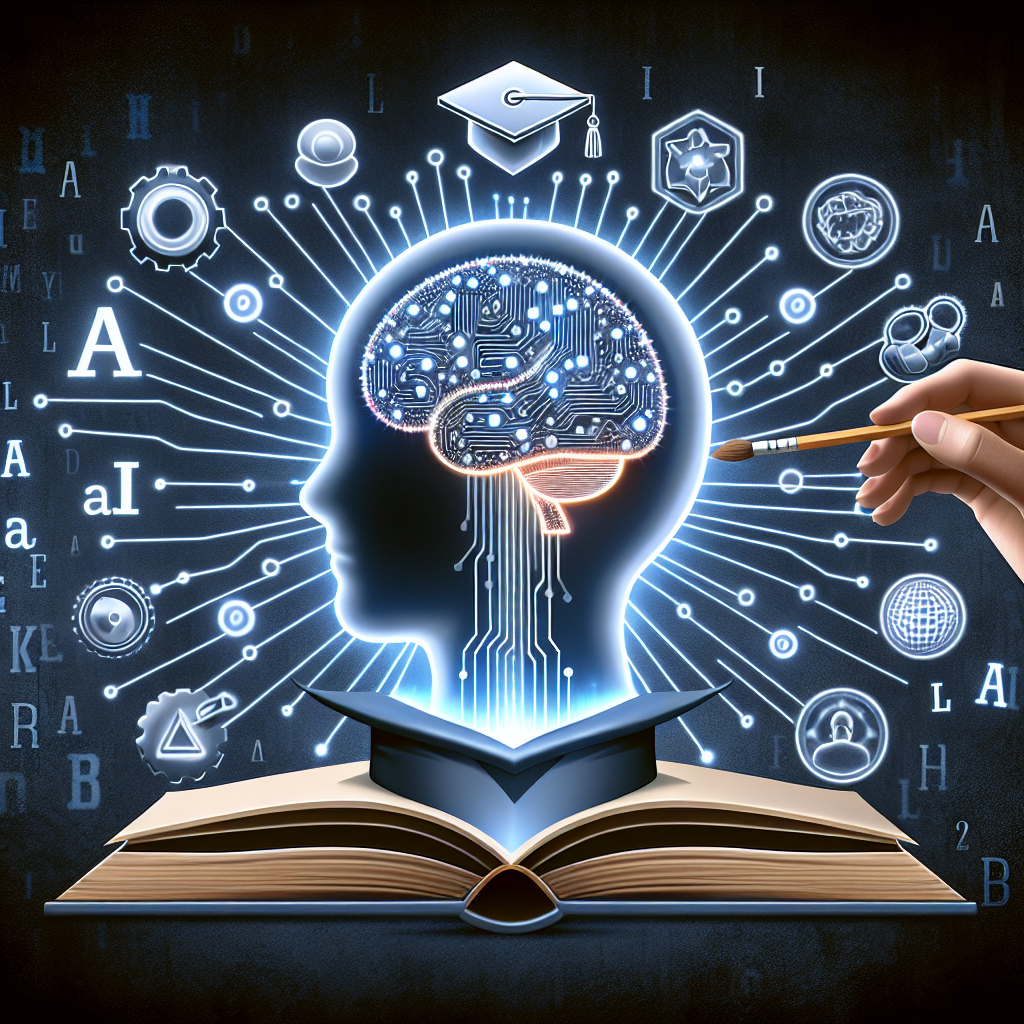
The Impact of AI and Machine Learning on Education
Artificial Intelligence (AI) and Machine Learning have become increasingly prominent in various industries, including education. These technologies have the potential to revolutionize the way students learn, teachers teach, and educational institutions operate. In this article, we will explore the impact of AI and Machine Learning on education and discuss the benefits and challenges associated with their implementation.
Benefits of AI and Machine Learning in Education
1. Personalized Learning: One of the key advantages of AI and Machine Learning in education is the ability to deliver personalized learning experiences to students. These technologies can analyze each student’s learning style, preferences, and strengths and weaknesses to create customized learning paths and recommendations. This personalized approach can help students learn at their own pace and in a way that suits their individual needs.
2. Adaptive Learning: AI and Machine Learning algorithms can adapt to students’ progress and provide real-time feedback and support. These technologies can identify areas where students are struggling and offer additional resources or exercises to help them improve. Adaptive learning systems can also adjust the difficulty level of assignments and assessments based on students’ performance, ensuring that they are appropriately challenged.
3. Improved Educational Outcomes: By providing personalized and adaptive learning experiences, AI and Machine Learning can help improve educational outcomes for students. These technologies can help students master concepts more effectively, retain information better, and achieve higher levels of academic success. Additionally, AI and Machine Learning can help identify and address learning gaps early on, preventing students from falling behind.
4. Enhanced Teaching Practices: AI and Machine Learning can also benefit teachers by providing them with valuable insights and resources. These technologies can analyze student data to identify trends and patterns, helping teachers better understand their students’ needs and performance. AI and Machine Learning can also automate routine tasks, such as grading assignments and providing feedback, allowing teachers to focus on more strategic and impactful aspects of their work.
5. Access to Quality Education: AI and Machine Learning can help address issues of accessibility and equity in education by providing quality educational resources to students regardless of their geographic location or socioeconomic status. These technologies can deliver online courses, tutorials, and other learning materials to students who may not have access to traditional educational opportunities. Additionally, AI and Machine Learning can help bridge the digital divide by providing support and resources to underserved communities.
Challenges of AI and Machine Learning in Education
1. Privacy and Security Concerns: One of the main challenges associated with AI and Machine Learning in education is the potential for privacy and security breaches. These technologies rely on vast amounts of student data to function effectively, raising concerns about the protection of sensitive information. Educational institutions must implement robust security measures to safeguard student data and ensure compliance with privacy regulations.
2. Bias and Discrimination: AI and Machine Learning algorithms can inadvertently perpetuate bias and discrimination, particularly if they are trained on biased data sets. These technologies may unintentionally reinforce stereotypes or disadvantage certain groups of students. Educational institutions must carefully monitor and evaluate AI and Machine Learning systems to ensure that they are fair and equitable for all students.
3. Lack of Teacher Training: Implementing AI and Machine Learning in education requires teachers to acquire new skills and knowledge. Many educators may not have the necessary training or experience to effectively integrate these technologies into their teaching practices. Educational institutions must provide professional development opportunities and support to help teachers adapt to the changing landscape of education.
4. Cost and Resource Constraints: Implementing AI and Machine Learning in education can be costly and resource-intensive. Educational institutions must invest in the necessary infrastructure, software, and training to effectively leverage these technologies. Limited budgets and competing priorities may pose challenges for schools and districts looking to adopt AI and Machine Learning solutions.
5. Ethical Considerations: AI and Machine Learning raise complex ethical issues in education, such as how to use student data responsibly and ethically. Educational institutions must establish clear guidelines and protocols for collecting, storing, and analyzing student data to ensure that it is used in a transparent and ethical manner. Additionally, AI and Machine Learning systems must be designed and implemented in a way that respects students’ rights and autonomy.
Frequently Asked Questions
Q: How can AI and Machine Learning improve student engagement and motivation?
A: AI and Machine Learning can enhance student engagement and motivation by providing personalized and interactive learning experiences. These technologies can tailor educational content to students’ interests and preferences, making learning more relevant and engaging. Additionally, AI and Machine Learning can offer real-time feedback and rewards to incentivize students to stay motivated and on track.
Q: How can AI and Machine Learning help address learning gaps and support struggling students?
A: AI and Machine Learning can identify learning gaps and provide targeted support to help struggling students improve. These technologies can analyze student performance data to pinpoint areas where students are struggling and offer additional resources, exercises, or interventions to help them succeed. By providing personalized and adaptive learning experiences, AI and Machine Learning can help students overcome challenges and achieve their academic goals.
Q: What are some examples of AI and Machine Learning applications in education?
A: Some examples of AI and Machine Learning applications in education include virtual tutors, personalized learning platforms, automated grading systems, and predictive analytics tools. Virtual tutors use AI algorithms to provide students with personalized support and guidance, while personalized learning platforms adapt to students’ needs and preferences. Automated grading systems can save teachers time and provide instant feedback to students, while predictive analytics tools help educators identify at-risk students and intervene early to prevent academic failure.
In conclusion, AI and Machine Learning have the potential to transform education by providing personalized and adaptive learning experiences, improving educational outcomes, and enhancing teaching practices. While there are challenges associated with the implementation of these technologies, such as privacy concerns and bias issues, educational institutions can overcome these obstacles by implementing robust strategies and guidelines. By leveraging AI and Machine Learning effectively, educators can create innovative and engaging learning environments that benefit students of all backgrounds and abilities.