
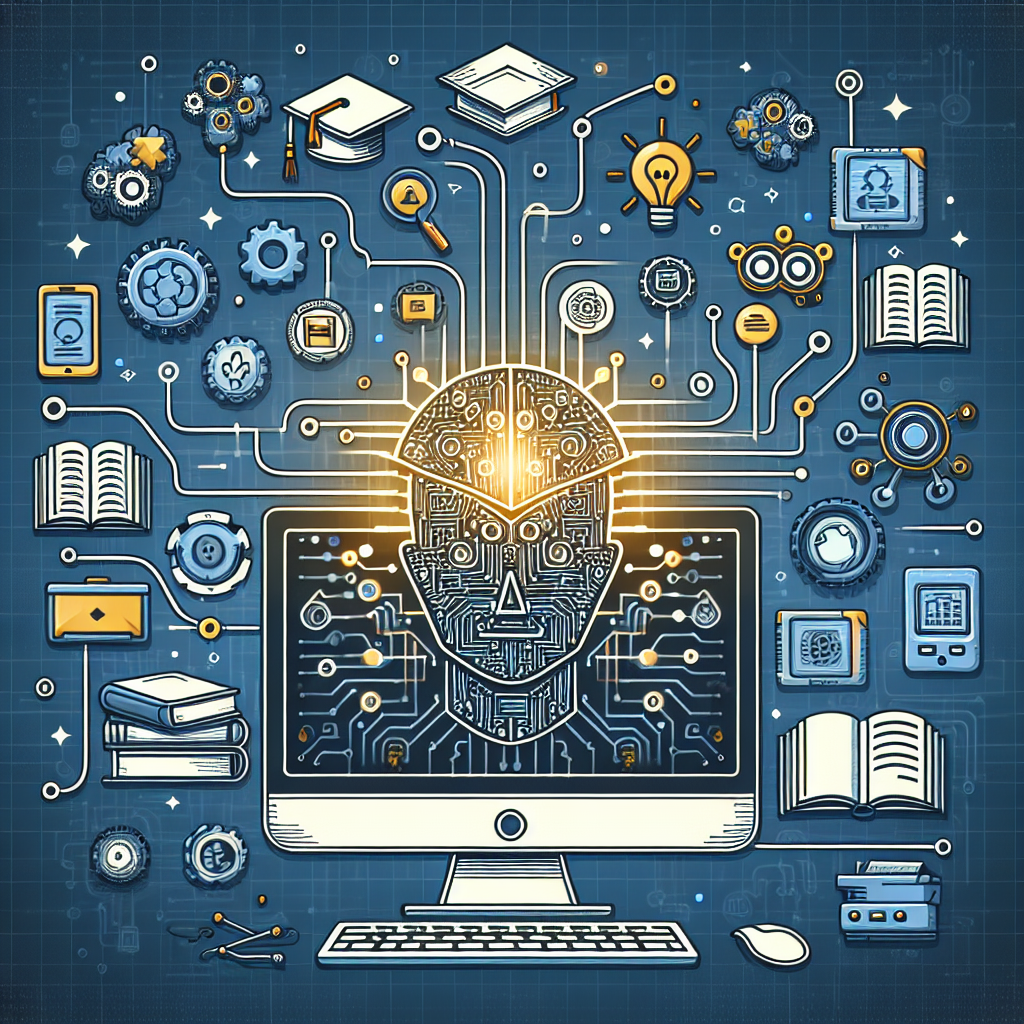
The Impact of AI Automation on E-learning
Artificial Intelligence (AI) has been a game-changer in almost every industry, and education is no exception. With the rise of AI automation, e-learning has seen significant improvements in efficiency, personalization, and accessibility. In this article, we will explore the impact of AI automation on e-learning and how it is shaping the future of education.
1. Personalized Learning
One of the most significant benefits of AI automation in e-learning is the ability to personalize learning experiences for each student. AI algorithms can analyze a student’s learning behavior, preferences, and performance to create a personalized learning path that suits their individual needs. This personalized approach not only helps students learn at their own pace but also ensures that they are engaged and motivated throughout the learning process.
AI-powered adaptive learning systems can also provide real-time feedback and recommendations to help students improve their understanding of the material. For example, if a student is struggling with a particular concept, the AI system can suggest additional resources or exercises to help them master it. This personalized approach to learning has been shown to improve student outcomes and retention rates, making e-learning more effective than traditional classroom-based education.
2. Increased Efficiency
AI automation has also made e-learning more efficient by streamlining administrative tasks and reducing the time and effort required to create and deliver courses. AI-powered tools can automate tasks such as grading, course scheduling, and content creation, freeing up instructors to focus on more valuable aspects of teaching, such as providing personalized feedback and support to students.
Furthermore, AI algorithms can analyze student data to identify patterns and trends that can help instructors improve their teaching methods and course materials. For example, AI can analyze student performance data to identify areas of weakness and suggest ways to improve teaching strategies or course content. This data-driven approach to education can help instructors tailor their courses to meet the specific needs of their students, leading to better learning outcomes.
3. Accessibility
AI automation has also made e-learning more accessible to students around the world, regardless of their location, background, or learning style. AI-powered tools can provide real-time translations, closed captioning, and other accessibility features to help students with disabilities or language barriers access course materials and participate in online discussions.
Furthermore, AI algorithms can analyze student data to identify patterns and trends that can help instructors improve their teaching methods and course materials. For example, AI can analyze student performance data to identify areas of weakness and suggest ways to improve teaching strategies or course content. This data-driven approach to education can help instructors tailor their courses to meet the specific needs of their students, leading to better learning outcomes.
FAQs
Q: How does AI automation affect the role of instructors in e-learning?
A: AI automation does not replace instructors in e-learning but rather enhances their role by providing them with valuable insights and tools to personalize learning experiences and improve teaching methods. Instructors can use AI-powered tools to analyze student data, identify areas of weakness, and provide personalized feedback and support to help students succeed.
Q: Is AI automation in e-learning secure?
A: AI automation in e-learning is secure as long as appropriate security measures are in place to protect student data and ensure the integrity of the learning platform. It is essential for e-learning providers to comply with data protection regulations and implement encryption, authentication, and access control mechanisms to safeguard student information and prevent unauthorized access.
Q: How can students benefit from AI automation in e-learning?
A: Students can benefit from AI automation in e-learning by receiving personalized learning experiences, real-time feedback, and recommendations to help them improve their understanding of the material. AI-powered adaptive learning systems can help students learn at their own pace, stay engaged and motivated, and achieve better learning outcomes compared to traditional classroom-based education.
In conclusion, AI automation has had a profound impact on e-learning by making it more personalized, efficient, and accessible. As AI technology continues to advance, we can expect to see even more innovations in e-learning that will revolutionize the way we teach and learn. By harnessing the power of AI automation, we can create a more inclusive and effective educational experience for students around the world.