
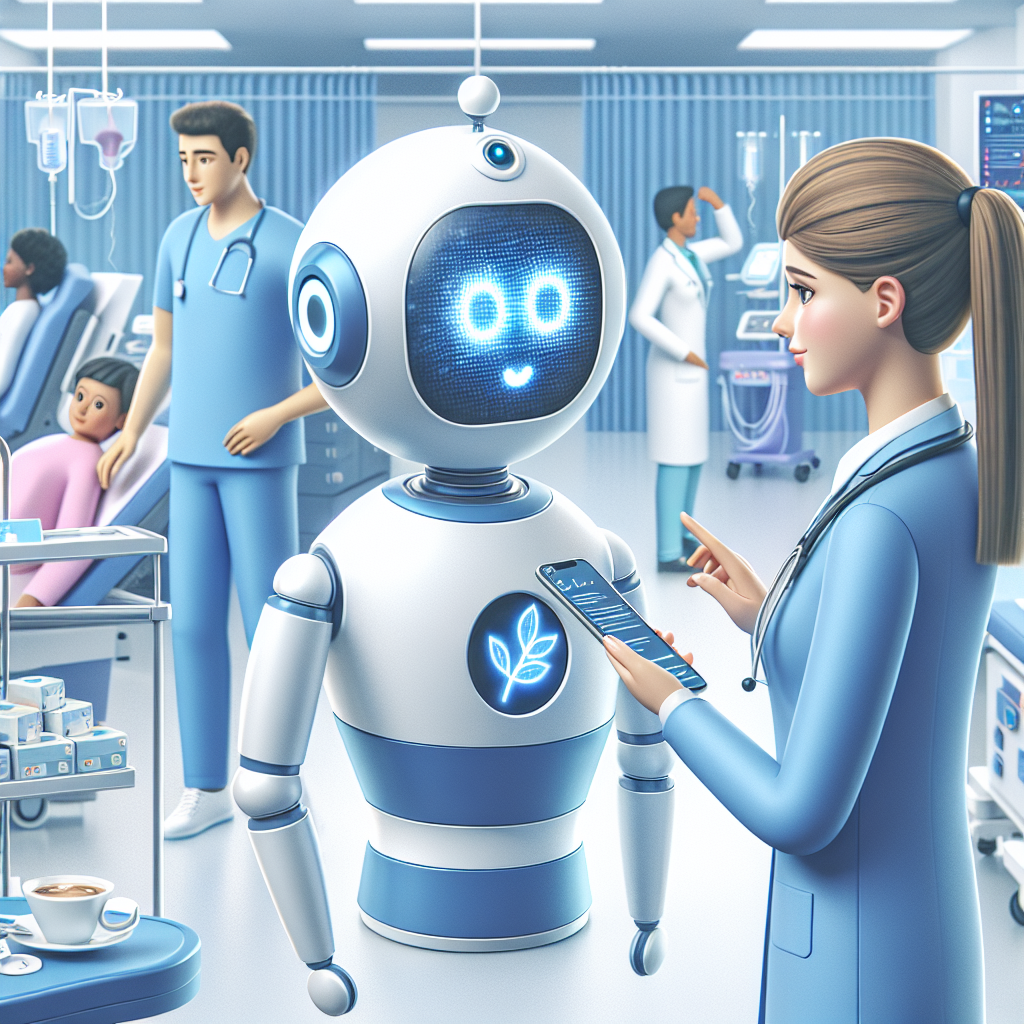
Artificial Intelligence (AI) has been revolutionizing various industries in recent years, and healthcare is no exception. One of the most significant impacts of AI in patient care is the use of chatbots. AI chatbots are automated programs that can simulate conversation with users, providing information and assistance in real-time. In the healthcare sector, chatbots have been used to improve patient engagement, streamline processes, and provide personalized care. In this article, we will explore the impact of AI chatbots in patient care and answer some frequently asked questions about their use.
Improved Patient Engagement
Patient engagement is a crucial aspect of healthcare, as it can lead to better health outcomes and patient satisfaction. AI chatbots have been instrumental in improving patient engagement by providing round-the-clock assistance to patients. Chatbots can answer common medical questions, schedule appointments, remind patients of medication schedules, and provide personalized health tips. This constant availability of information and support can empower patients to take control of their health and make informed decisions.
Streamlined Processes
AI chatbots have also been used to streamline administrative processes in healthcare institutions. Chatbots can handle routine tasks such as appointment scheduling, billing inquiries, and insurance verification, allowing healthcare providers to focus on more critical aspects of patient care. By automating these processes, chatbots can reduce wait times for patients, improve staff efficiency, and enhance overall patient experience.
Personalized Care
One of the key benefits of AI chatbots in patient care is the ability to provide personalized care to patients. Chatbots can collect and analyze patient data to offer tailored recommendations and interventions. For example, a chatbot can use a patient’s medical history to provide personalized diet and exercise plans, remind patients of upcoming screenings or vaccinations, and offer mental health support based on the patient’s mood and behavior patterns. This personalized approach to care can lead to better health outcomes and increased patient satisfaction.
Frequently Asked Questions about AI Chatbots in Patient Care
Q: Are AI chatbots replacing human healthcare providers?
A: AI chatbots are not meant to replace human healthcare providers but to complement their work. Chatbots can handle routine tasks and provide basic information to patients, allowing healthcare providers to focus on more complex and critical aspects of patient care.
Q: Are AI chatbots secure and compliant with patient privacy laws?
A: AI chatbots are designed to be secure and compliant with patient privacy laws such as HIPAA. Healthcare institutions must ensure that chatbots adhere to strict data security and privacy standards to protect patient information.
Q: How accurate are AI chatbots in providing medical information?
A: AI chatbots are programmed to provide accurate and up-to-date medical information based on established guidelines and protocols. However, chatbots are not a substitute for professional medical advice, and patients should always consult a healthcare provider for personalized medical recommendations.
Q: Can AI chatbots provide emotional support to patients?
A: AI chatbots can be programmed to provide emotional support to patients by offering empathy, encouragement, and resources for mental health. While chatbots cannot replace human interaction, they can serve as a valuable resource for patients in need of emotional support.
Q: How can healthcare institutions implement AI chatbots in patient care?
A: Healthcare institutions can implement AI chatbots in patient care by partnering with AI technology providers, developing customized chatbot solutions, and integrating chatbots into existing patient communication systems. It is essential to train staff and patients on how to use chatbots effectively and monitor their impact on patient care continuously.
In conclusion, AI chatbots have the potential to transform patient care by improving engagement, streamlining processes, and providing personalized care. Healthcare institutions that embrace AI chatbot technology can enhance patient experience, increase efficiency, and achieve better health outcomes. As AI continues to advance, the role of chatbots in patient care is likely to expand, offering new possibilities for improving healthcare delivery and patient satisfaction.