
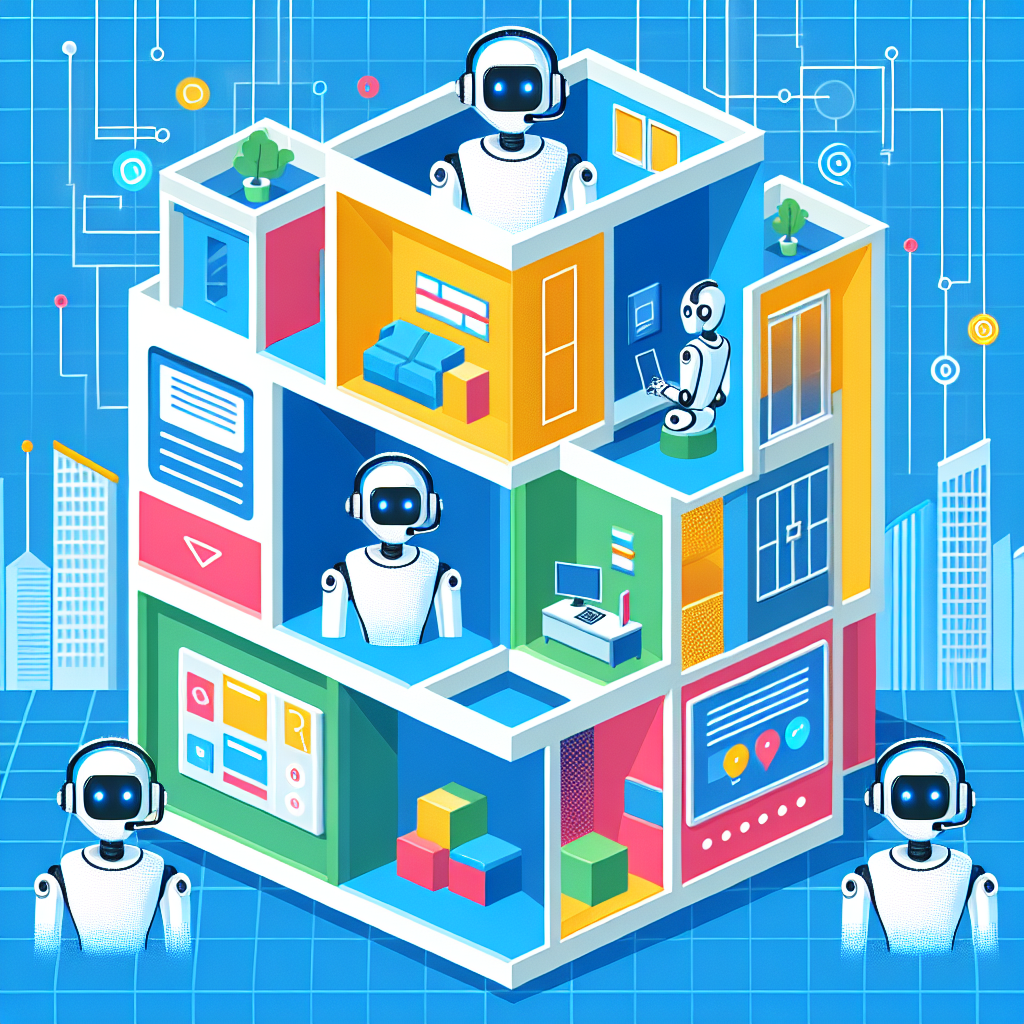
Artificial Intelligence (AI) chatbots have become increasingly popular in various industries, including real estate. These virtual assistants are capable of answering customer inquiries, providing information about properties, scheduling appointments, and even assisting with the buying or renting process. The impact of AI chatbots on real estate customer service is significant, as they streamline communication, improve efficiency, and enhance the overall customer experience.
One of the key benefits of AI chatbots in real estate is their ability to provide immediate responses to customer inquiries. With traditional customer service methods, there may be delays in responding to emails or returning phone calls. AI chatbots, on the other hand, can provide instant answers to common questions, such as property availability, pricing, and location. This helps to reduce customer wait times and provides a more seamless experience for potential buyers or renters.
Furthermore, AI chatbots can handle a high volume of inquiries simultaneously, allowing real estate agents to focus on more complex tasks. This efficiency can lead to increased productivity and better utilization of resources within a real estate agency. Additionally, AI chatbots can work around the clock, providing customer support at any time of day or night. This 24/7 availability is particularly beneficial for international clients or individuals with busy schedules who may not be able to communicate during regular business hours.
In addition to improving response times and efficiency, AI chatbots can also enhance the personalization of customer service in the real estate industry. By using data analytics and machine learning algorithms, chatbots can provide tailored recommendations based on a customer’s preferences and previous interactions. For example, a chatbot may suggest properties that match a customer’s desired location, budget, and amenities. This level of personalization helps to build stronger relationships with customers and increases the likelihood of closing a sale or rental agreement.
Moreover, AI chatbots can assist with lead generation and qualification in the real estate industry. By engaging with potential buyers or renters through automated conversations, chatbots can collect valuable information about their preferences, budget, and timeline. This data can be used to segment leads and prioritize follow-up efforts by real estate agents. As a result, AI chatbots help to streamline the sales process and increase the likelihood of converting leads into clients.
Another significant impact of AI chatbots on real estate customer service is their ability to provide consistent and accurate information. Human agents may inadvertently provide incorrect or outdated information, leading to confusion and frustration for customers. AI chatbots, on the other hand, are programmed with up-to-date data and can deliver accurate responses to customer inquiries. This reliability helps to build trust with customers and ensures a more positive experience throughout the buying or renting process.
Despite the numerous benefits of AI chatbots in real estate customer service, there are some potential challenges and limitations to consider. For instance, chatbots may struggle to understand complex or nuanced inquiries that require human empathy or critical thinking skills. In these cases, customers may become frustrated or dissatisfied with the level of service provided by a chatbot. To mitigate this risk, real estate agencies should ensure that chatbots are equipped with the necessary training and resources to handle a wide range of customer interactions.
Additionally, there may be concerns about the security and privacy of customer data when interacting with AI chatbots. Real estate agencies must prioritize data protection and compliance with regulations such as the General Data Protection Regulation (GDPR) to safeguard sensitive information shared during conversations with chatbots. By implementing robust security measures and encryption protocols, real estate agencies can build trust with customers and demonstrate their commitment to safeguarding their data.
In conclusion, the impact of AI chatbots on real estate customer service is undeniable. These virtual assistants have revolutionized the way real estate agencies interact with customers, providing immediate responses, personalized recommendations, and efficient lead generation. While there are challenges to overcome, such as handling complex inquiries and ensuring data security, the benefits of AI chatbots far outweigh the drawbacks. By leveraging this technology, real estate agencies can enhance the customer experience, improve productivity, and drive business growth in an increasingly competitive market.
FAQs:
Q: How can AI chatbots benefit real estate customer service?
A: AI chatbots can benefit real estate customer service by providing immediate responses to inquiries, handling a high volume of inquiries simultaneously, offering personalized recommendations, assisting with lead generation and qualification, and providing consistent and accurate information.
Q: What are the potential challenges of using AI chatbots in real estate customer service?
A: Some potential challenges of using AI chatbots in real estate customer service include difficulties in understanding complex inquiries, concerns about data security and privacy, and the need for ongoing training and resources to ensure effective interactions with customers.
Q: How can real estate agencies ensure the success of AI chatbots in customer service?
A: Real estate agencies can ensure the success of AI chatbots in customer service by providing comprehensive training and resources, prioritizing data security and compliance with regulations, and continuously monitoring and optimizing chatbot performance based on customer feedback and analytics.