
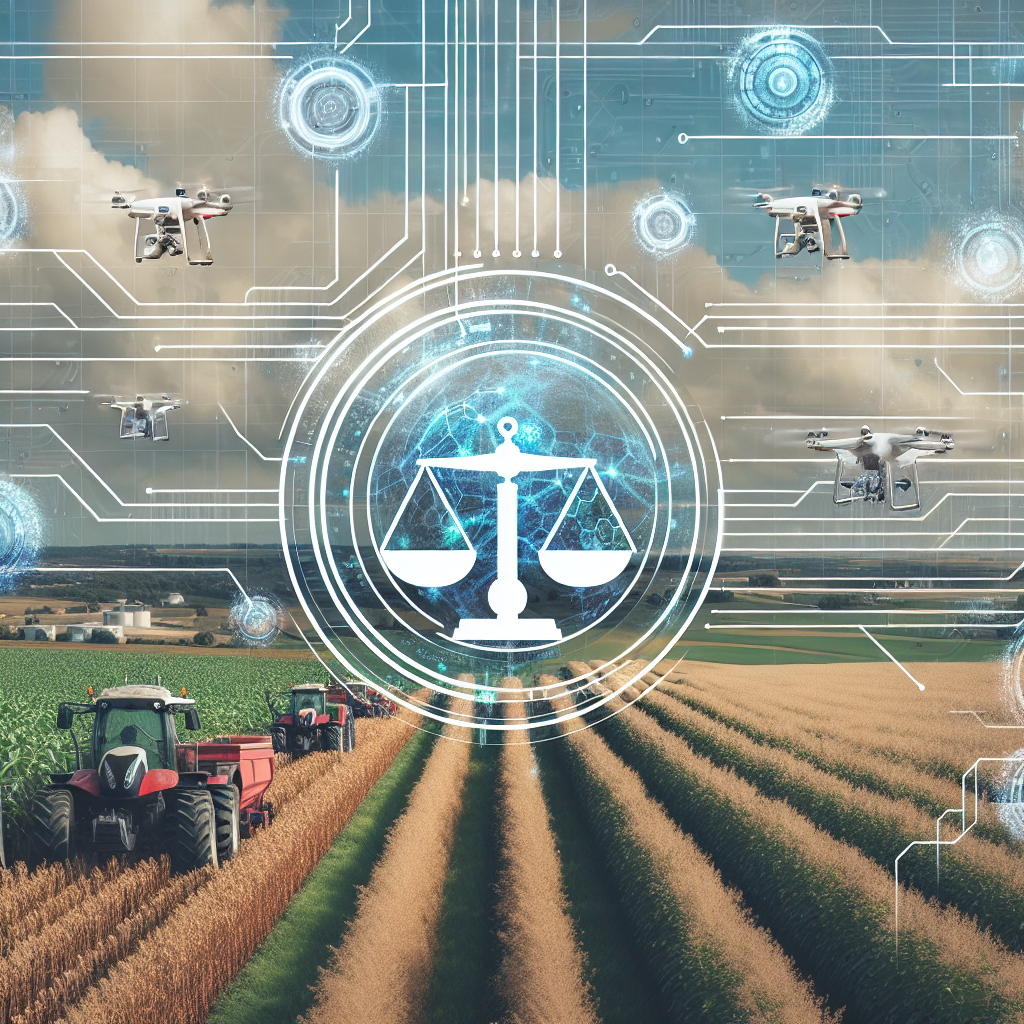
The Impact of AI on Agricultural Policy and Regulations
Artificial intelligence (AI) is revolutionizing the way we do things in various industries, and agriculture is no exception. The integration of AI in agriculture has the potential to improve efficiency, increase productivity, and reduce costs. However, as AI technologies continue to advance, policymakers and regulators are faced with the challenge of keeping up with the changes and ensuring that the use of AI in agriculture is safe, ethical, and in compliance with existing laws and regulations.
The Impact of AI on Agriculture
AI technologies are being used in agriculture in a variety of ways, from precision farming to crop monitoring to livestock management. These technologies can analyze vast amounts of data, such as soil composition, weather patterns, and crop health, to help farmers make more informed decisions and optimize their operations.
One of the key benefits of using AI in agriculture is its ability to improve efficiency. For example, AI-powered drones can be used to monitor crops and identify areas that require attention, such as pest infestations or nutrient deficiencies. This information can then be used to target interventions more effectively, reducing the use of pesticides and other inputs while increasing yields.
AI can also help farmers make better predictions about crop yields and market conditions, allowing them to plan their planting and harvesting schedules more effectively. This can help reduce waste and increase profitability.
Challenges for Policymakers and Regulators
While AI has the potential to revolutionize agriculture, it also presents a number of challenges for policymakers and regulators. One of the key challenges is ensuring that AI technologies are used in a way that is safe and ethical. For example, there are concerns about the potential for AI-powered machines to cause harm to humans or the environment if they malfunction or are used improperly.
There are also concerns about the impact of AI on jobs in the agricultural sector. As AI technologies become more advanced, there is the potential for them to replace human workers, particularly in tasks that are repetitive or dangerous. Policymakers and regulators will need to consider how to balance the benefits of AI with the potential social and economic impacts.
In addition, there are questions about data privacy and security when it comes to AI in agriculture. AI technologies rely on vast amounts of data, much of which may be sensitive or proprietary. Policymakers will need to ensure that farmers’ data is protected and that it is not misused by companies or other entities.
Policy and Regulatory Responses
Policymakers and regulators around the world are starting to respond to the challenges posed by AI in agriculture. Some countries have already implemented regulations to govern the use of AI technologies in agriculture, such as guidelines for the use of drones or regulations on data privacy.
For example, the European Union has introduced regulations on the use of drones in agriculture, requiring operators to obtain licenses and follow certain safety guidelines. The EU has also introduced regulations on data privacy, such as the General Data Protection Regulation (GDPR), which governs how companies collect, store, and use personal data.
In the United States, the Department of Agriculture has established a task force to study the impact of AI on agriculture and make recommendations for policy changes. The task force is examining issues such as data privacy, labor displacement, and the need for new regulations to govern the use of AI technologies in agriculture.
FAQs
Q: How is AI being used in agriculture?
A: AI is being used in agriculture in a variety of ways, from precision farming to crop monitoring to livestock management. These technologies can analyze vast amounts of data to help farmers make more informed decisions and optimize their operations.
Q: What are some of the benefits of using AI in agriculture?
A: Some of the benefits of using AI in agriculture include improved efficiency, increased productivity, reduced costs, better predictions about crop yields and market conditions, and reduced environmental impact.
Q: What are some of the challenges of using AI in agriculture?
A: Some of the challenges of using AI in agriculture include concerns about safety and ethics, potential job displacement, data privacy and security issues, and the need for new regulations to govern the use of AI technologies.
Q: What are policymakers and regulators doing to address the challenges of using AI in agriculture?
A: Policymakers and regulators around the world are starting to respond to the challenges posed by AI in agriculture by implementing regulations to govern the use of AI technologies, studying the impact of AI on agriculture, and making recommendations for policy changes.
In conclusion, AI has the potential to revolutionize agriculture, but it also presents a number of challenges for policymakers and regulators. By addressing issues such as safety, ethics, data privacy, and job displacement, policymakers can ensure that the use of AI in agriculture is safe, ethical, and in compliance with existing laws and regulations.