
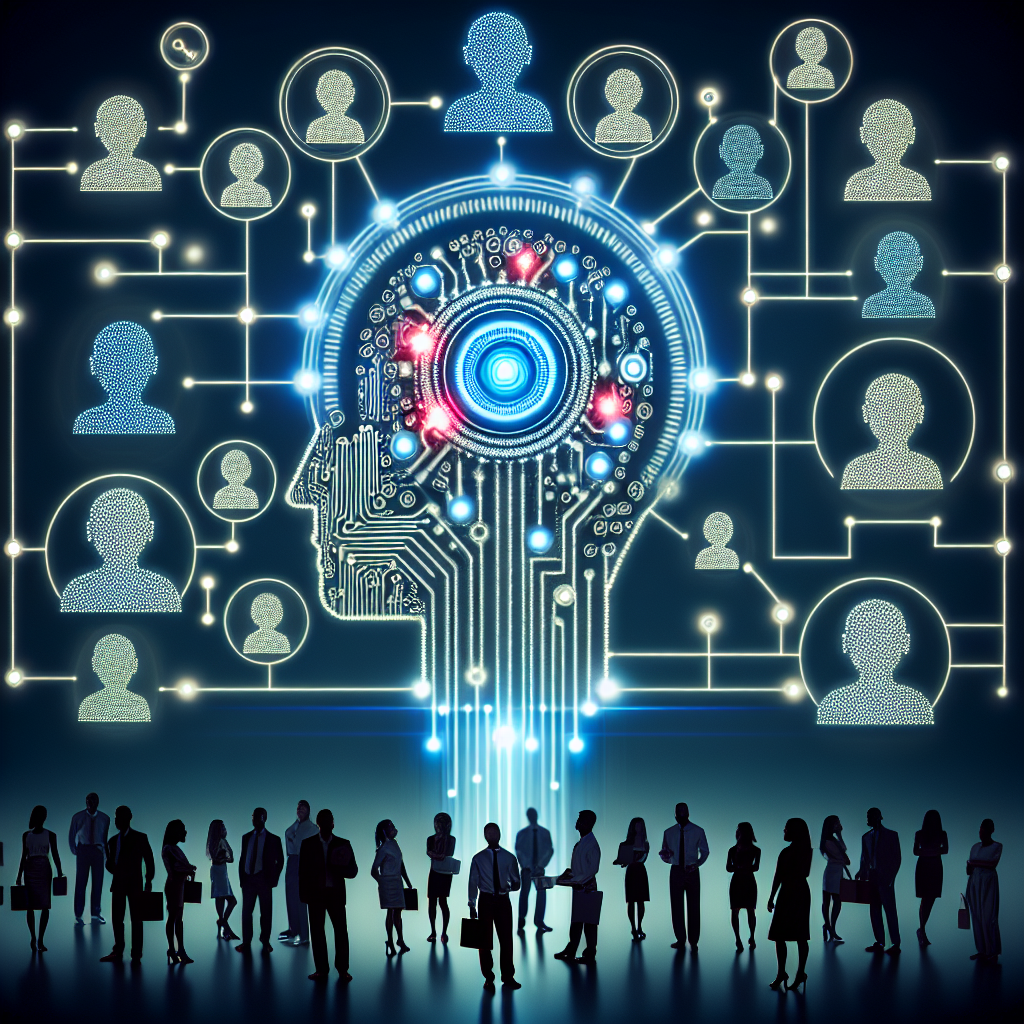
In today’s digital age, businesses are constantly looking for ways to improve their customer segmentation strategies in order to better understand and target their audience. One of the most innovative technologies that is revolutionizing the way businesses approach customer segmentation is artificial intelligence (AI). AI is transforming the customer segmentation process by providing businesses with more accurate and detailed insights into their customers’ behavior, preferences, and needs. In this article, we will explore the impact of AI on customer segmentation and how businesses can leverage this technology to enhance their marketing efforts.
AI and Customer Segmentation
Customer segmentation is the process of dividing a company’s customers into groups based on similar characteristics, behaviors, or needs. This allows businesses to tailor their marketing campaigns to specific customer segments, ultimately improving customer engagement and increasing sales. Traditionally, customer segmentation has been done manually, using demographic data, purchase history, and other information to categorize customers into groups.
However, AI is changing the game when it comes to customer segmentation. By utilizing machine learning algorithms, businesses can now analyze vast amounts of data to identify patterns and trends that would have been impossible to detect manually. AI can analyze customer interactions, social media activity, website behavior, and other data points to create more accurate and detailed customer segments.
The Impact of AI on Customer Segmentation
There are several ways in which AI is impacting customer segmentation and helping businesses improve their marketing efforts:
1. Personalized Marketing Campaigns: AI allows businesses to create highly personalized marketing campaigns that are tailored to individual customer segments. By analyzing customer data in real-time, AI can identify the preferences and behaviors of different customer segments and deliver targeted messages that resonate with each group.
2. Predictive Analytics: AI can also help businesses predict future customer behavior by analyzing historical data and identifying patterns that indicate future trends. This allows businesses to anticipate customer needs and preferences, and tailor their marketing strategies accordingly.
3. Improved Customer Engagement: By segmenting customers more accurately, businesses can deliver more relevant and timely messages that resonate with their audience. This can lead to increased customer engagement, loyalty, and ultimately, higher sales.
4. Cost Savings: AI can help businesses save time and resources by automating the customer segmentation process. By analyzing data more efficiently and accurately than humans, AI can streamline the segmentation process and reduce the need for manual intervention.
5. Real-time Insights: AI can provide businesses with real-time insights into customer behavior, allowing them to adapt their marketing strategies on the fly. This agility is crucial in today’s fast-paced business environment, where customer preferences can change rapidly.
FAQs
Q: How accurate is AI in segmenting customers?
A: AI is highly accurate in segmenting customers, as it can analyze large amounts of data and identify patterns that would be impossible for humans to detect. By leveraging machine learning algorithms, AI can create detailed and accurate customer segments that help businesses better understand their audience.
Q: How can businesses leverage AI for customer segmentation?
A: Businesses can leverage AI for customer segmentation by investing in AI-powered tools and platforms that can analyze customer data and create detailed customer segments. By integrating AI into their marketing strategies, businesses can improve customer engagement, increase sales, and drive business growth.
Q: What are the challenges of using AI for customer segmentation?
A: While AI offers many benefits for customer segmentation, there are some challenges to consider. These include the need for high-quality data, the potential for bias in AI algorithms, and the need for ongoing monitoring and optimization. Businesses should carefully consider these factors when implementing AI for customer segmentation.
In conclusion, AI is transforming the way businesses approach customer segmentation, providing them with more accurate and detailed insights into their customers’ behavior and preferences. By leveraging AI-powered tools and platforms, businesses can create highly personalized marketing campaigns, predict customer behavior, and improve customer engagement. While there are challenges to consider, the benefits of using AI for customer segmentation far outweigh the risks. Businesses that embrace AI in their marketing strategies are likely to see increased sales, improved customer loyalty, and sustainable business growth.