
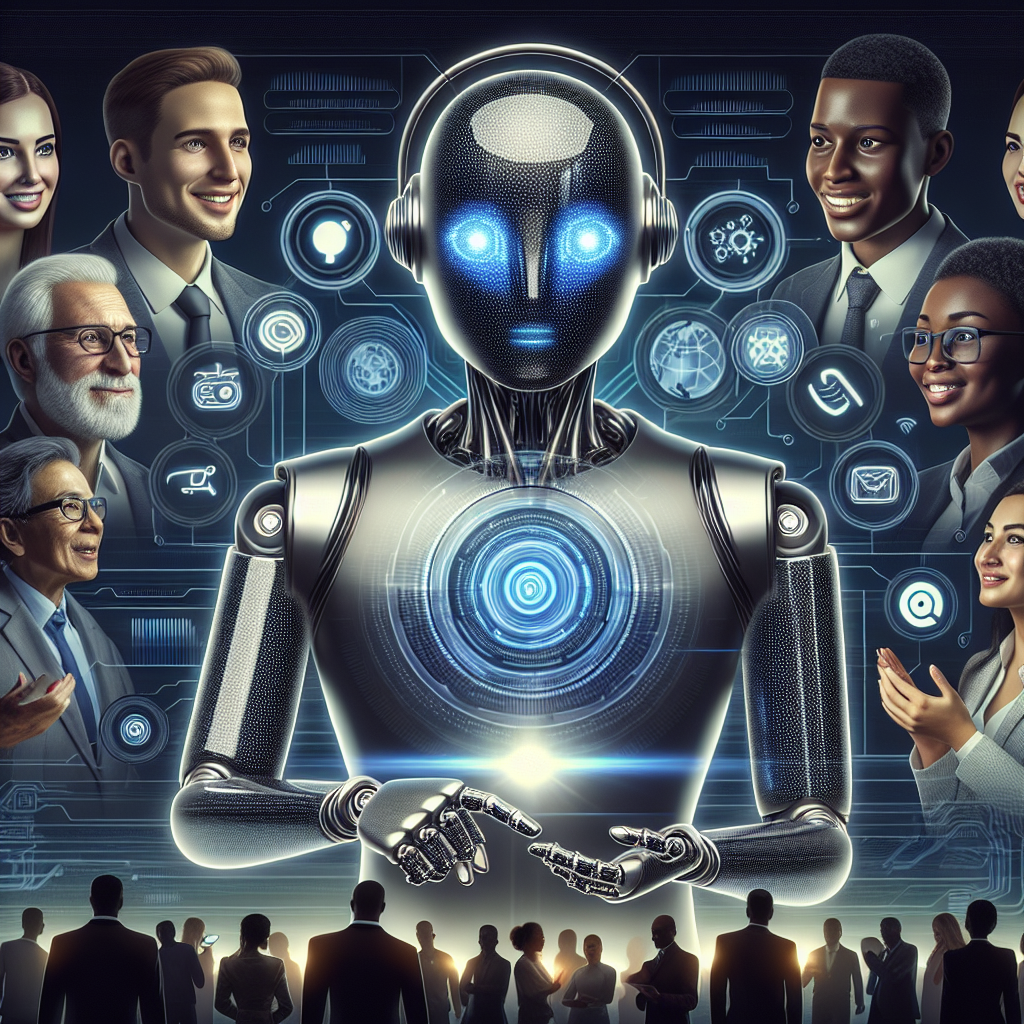
In recent years, artificial intelligence (AI) has become increasingly prevalent in customer service operations. From chatbots to virtual assistants, AI has revolutionized the way businesses interact with their customers. This technology has had a significant impact on the quality of customer service, leading to improved efficiency, higher customer satisfaction, and cost savings for businesses. In this article, we will explore the ways in which AI has transformed customer service and discuss the implications for businesses and their customers.
One of the key ways in which AI has improved customer service quality is through its ability to provide instant, personalized assistance to customers. Chatbots, for example, can quickly respond to customer inquiries, provide product recommendations, and even process orders. This level of responsiveness can greatly enhance the customer experience, as customers no longer have to wait in long queues or navigate complicated phone menus to get the help they need. Additionally, AI-powered virtual assistants can analyze customer data to provide tailored recommendations and assistance, making the customer service experience more efficient and effective.
AI has also enabled businesses to offer 24/7 customer support, a feature that was previously only available to large corporations with extensive customer service teams. Chatbots and virtual assistants can work around the clock to assist customers with their inquiries, ensuring that no customer is left waiting for help. This round-the-clock availability can lead to increased customer satisfaction and loyalty, as customers appreciate being able to get assistance whenever they need it.
Furthermore, AI has the ability to improve the accuracy and consistency of customer service interactions. Unlike humans, AI-powered systems do not get tired or make mistakes, leading to more reliable and efficient customer service. AI can also be programmed to follow specific guidelines and protocols, ensuring that all customer interactions are handled in a consistent manner. This can help businesses maintain high standards of customer service quality and avoid costly errors that can damage their reputation.
In addition to improving the quality of customer service, AI can also help businesses reduce costs and increase efficiency. By automating routine customer service tasks, businesses can free up their human agents to focus on more complex and high-value interactions. This can lead to cost savings for businesses, as they can reduce the number of customer service agents needed to handle inquiries. Additionally, AI-powered systems can handle a higher volume of inquiries simultaneously, allowing businesses to serve more customers in less time.
Despite the many benefits of AI in customer service, there are some concerns about its impact on human jobs. As AI continues to become more advanced, there is a fear that it could replace human customer service agents altogether. However, many experts believe that AI will not replace human agents entirely, but rather work alongside them to enhance the customer service experience. Human agents can provide the empathy and emotional intelligence that AI lacks, while AI can handle routine tasks and provide instant assistance to customers.
In conclusion, the impact of AI on customer service quality has been overwhelmingly positive. From providing instant, personalized assistance to enabling 24/7 customer support, AI has transformed the way businesses interact with their customers. By improving efficiency, increasing customer satisfaction, and reducing costs, AI has become an essential tool for businesses looking to deliver high-quality customer service. As AI continues to evolve, it will be interesting to see how businesses adapt to this new technology and leverage its capabilities to enhance the customer service experience.
FAQs:
1. What are some common applications of AI in customer service?
AI is commonly used in customer service for tasks such as chatbots, virtual assistants, and predictive analytics. Chatbots can provide instant assistance to customers, virtual assistants can analyze customer data to provide personalized recommendations, and predictive analytics can help businesses anticipate customer needs and preferences.
2. How does AI improve the quality of customer service?
AI improves the quality of customer service by providing instant, personalized assistance to customers, enabling 24/7 customer support, and increasing the accuracy and consistency of customer interactions. AI can also help businesses reduce costs and increase efficiency by automating routine tasks.
3. Will AI replace human customer service agents?
While AI has the potential to automate many customer service tasks, experts believe that it will not replace human agents entirely. Human agents can provide the empathy and emotional intelligence that AI lacks, while AI can handle routine tasks and provide instant assistance to customers.
4. What are some potential drawbacks of using AI in customer service?
Some potential drawbacks of using AI in customer service include concerns about job displacement, as AI continues to become more advanced. Additionally, there may be challenges in integrating AI systems with existing customer service processes and ensuring that AI-powered interactions are as effective as human interactions.