
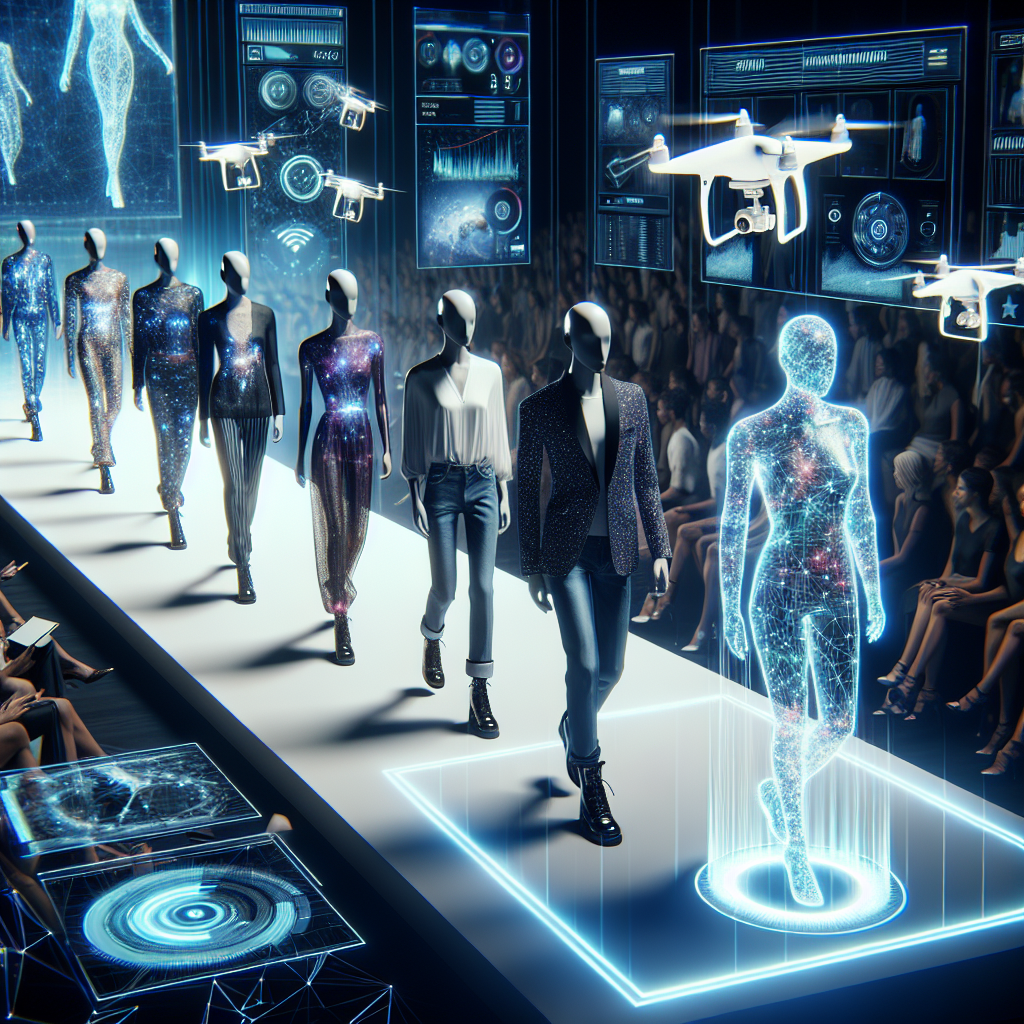
The Impact of AI on Fashion Marketing: How Technology is Reshaping the Industry
In recent years, the fashion industry has seen a significant shift towards the integration of artificial intelligence (AI) technology in marketing strategies. From personalized recommendations to virtual try-on experiences, AI has revolutionized the way brands engage with consumers and drive sales. In this article, we will explore the impact of AI on fashion marketing and how it is reshaping the industry.
1. Personalized Recommendations
One of the most significant ways AI is transforming fashion marketing is through personalized recommendations. By analyzing customer data and behavior, AI algorithms can predict what products a consumer is likely to be interested in and tailor recommendations accordingly. This not only enhances the shopping experience for customers but also increases conversion rates for brands.
For example, online retailer ASOS uses AI-powered recommendation engines to suggest products to customers based on their browsing history and past purchases. This has led to a 300% increase in click-through rates and a 100% increase in revenue per visit for the brand.
2. Virtual Try-On Experiences
Another way AI is reshaping the fashion industry is through virtual try-on experiences. With the rise of augmented reality (AR) technology, brands can now offer customers the ability to virtually try on clothing and accessories before making a purchase. This not only reduces the need for physical fitting rooms but also enhances the online shopping experience for consumers.
For example, luxury fashion brand Gucci recently launched a virtual try-on feature on its mobile app, allowing customers to see how a pair of shoes or sunglasses will look on them before buying. This has resulted in a 200% increase in conversion rates for the brand.
3. Predictive Analytics
AI technology is also being used to predict future trends and consumer behavior in the fashion industry. By analyzing vast amounts of data from social media, e-commerce sites, and other sources, AI algorithms can forecast what styles, colors, and designs will be popular in the upcoming seasons. This allows brands to stay ahead of the competition and create products that resonate with their target audience.
For example, luxury fashion house Burberry uses AI-powered predictive analytics to analyze customer data and identify emerging trends. This has helped the brand to increase sales by 20% and reduce excess inventory by 30%.
4. Chatbots and Virtual Assistants
AI-powered chatbots and virtual assistants are also playing a significant role in fashion marketing. These tools can provide personalized recommendations, answer customer queries, and assist with the shopping process in real-time. This not only improves customer service but also increases engagement and loyalty for brands.
For example, online retailer H&M uses a chatbot on its website to help customers find the perfect outfit for any occasion. This has led to a 25% increase in customer satisfaction and a 20% increase in sales for the brand.
5. Enhanced Customer Segmentation
AI technology is enabling brands to segment their customer base more effectively and target specific demographics with personalized marketing campaigns. By analyzing customer data and behavior, AI algorithms can identify patterns and trends that help brands to understand their audience better and tailor their messaging accordingly.
For example, fast-fashion brand Zara uses AI algorithms to segment its customer base by age, gender, location, and shopping preferences. This has resulted in a 15% increase in sales and a 10% increase in customer retention for the brand.
FAQs
Q: How is AI being used in fashion marketing?
A: AI is being used in fashion marketing in various ways, including personalized recommendations, virtual try-on experiences, predictive analytics, chatbots, and virtual assistants.
Q: What are the benefits of using AI in fashion marketing?
A: The benefits of using AI in fashion marketing include enhanced customer engagement, increased sales, improved customer service, and better targeting of specific demographics.
Q: Are there any challenges associated with using AI in fashion marketing?
A: Some challenges associated with using AI in fashion marketing include data privacy concerns, the need for skilled personnel to implement and manage AI systems, and the potential for bias in AI algorithms.
Q: How can brands implement AI in their marketing strategies?
A: Brands can implement AI in their marketing strategies by investing in AI technology, collecting and analyzing customer data, and partnering with AI vendors and platforms.
In conclusion, AI technology is reshaping the fashion industry by revolutionizing how brands engage with consumers, drive sales, and stay ahead of the competition. From personalized recommendations to virtual try-on experiences, AI is transforming the way fashion marketing is done. Brands that embrace AI technology and leverage its capabilities will be able to thrive in an increasingly competitive and fast-paced industry.